Alaska's Big Five!
One of the biggest reasons that Alaska feels so untouched and raw is the wildlife.
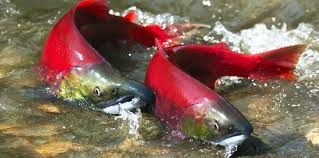
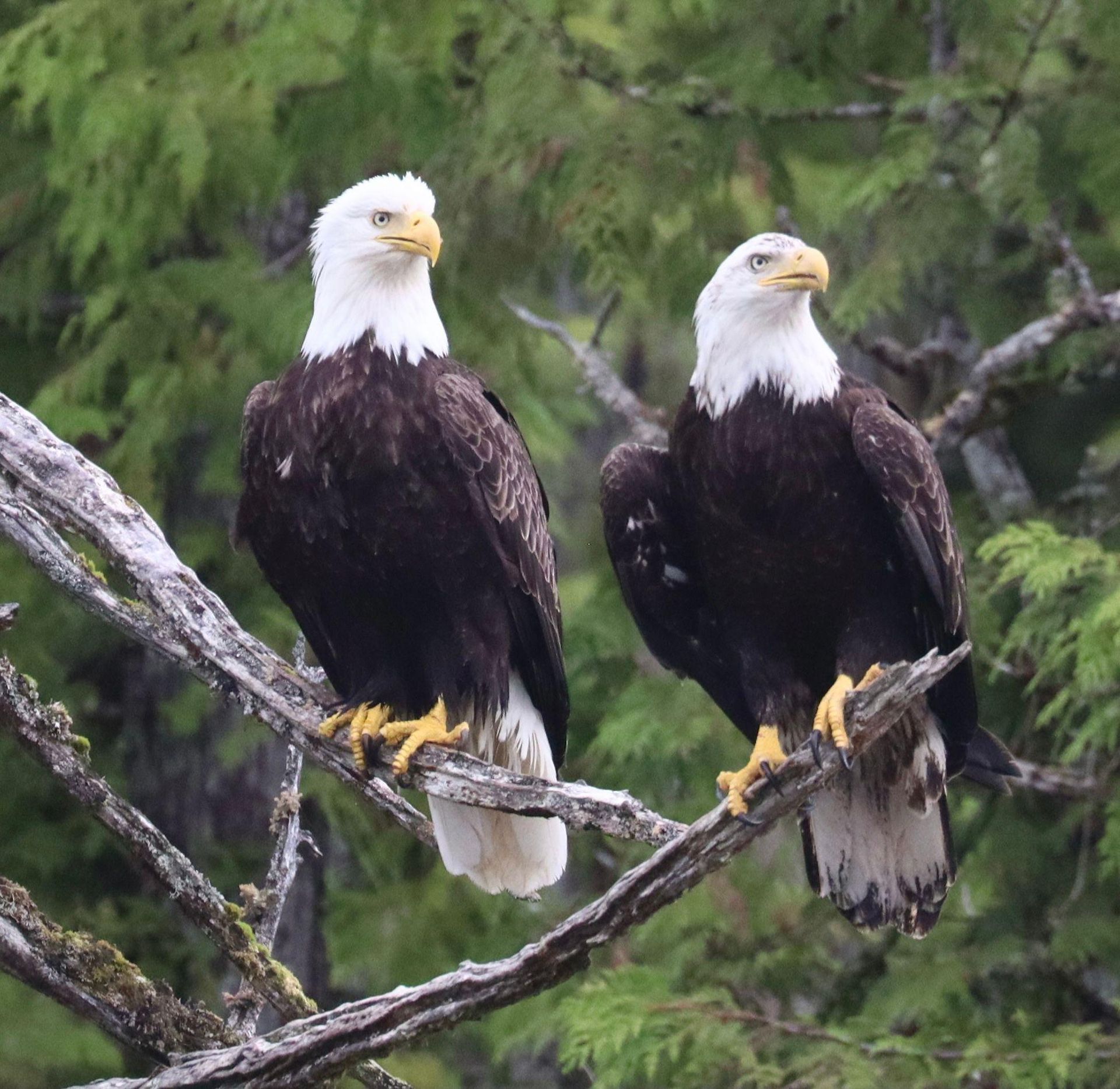
You don't just visit Alaska. One of the ways you experience Alaska is through the wildlife. One moment, you are watching a humpback whale breach beside your ship. The next moment, you are staring in awe at a brown bear pulling salmon from the icy river while bald eagles are circling overhead.
Wildlife in Alaska isn't hidden in zoos and behind fences; it's everywhere and a part of everyday life.
In Africa, you go on safaris to see the "Big Five": lion, leopard, elephant, rhino, and cape buffalo. In Alaska, you can see their "Big Five," which include Moose, Grizzly bears, Caribou, gray wolves, and Dall sheep.
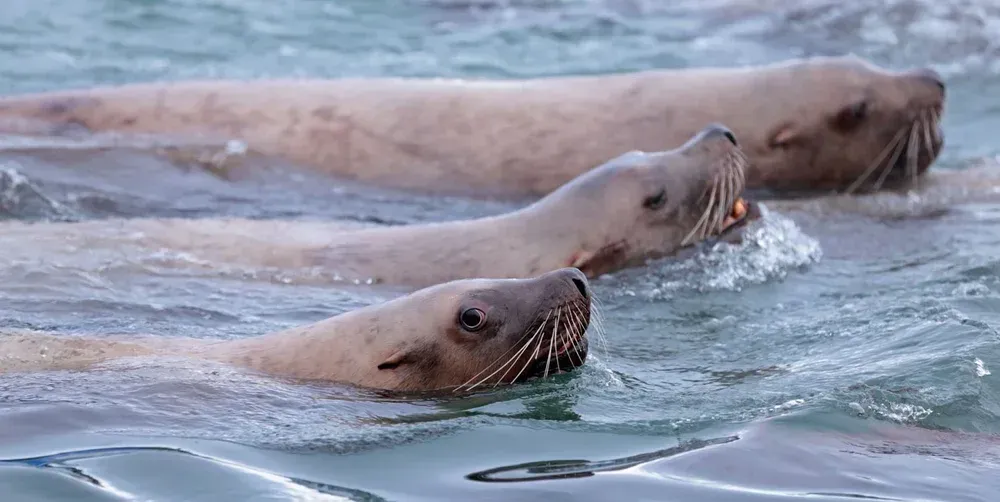
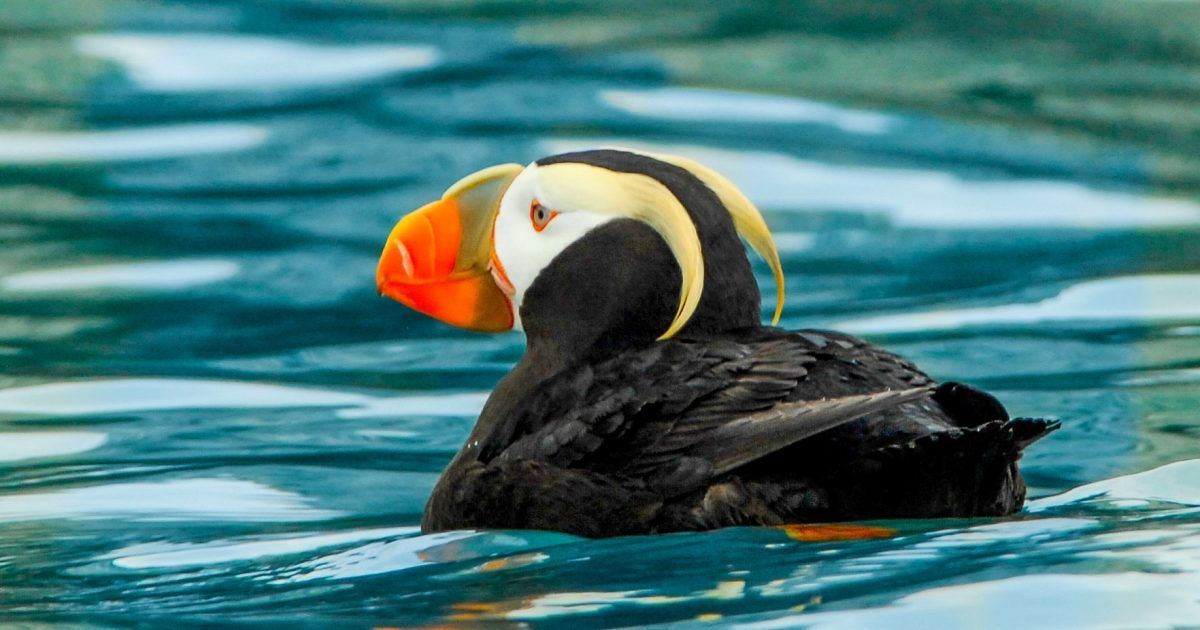
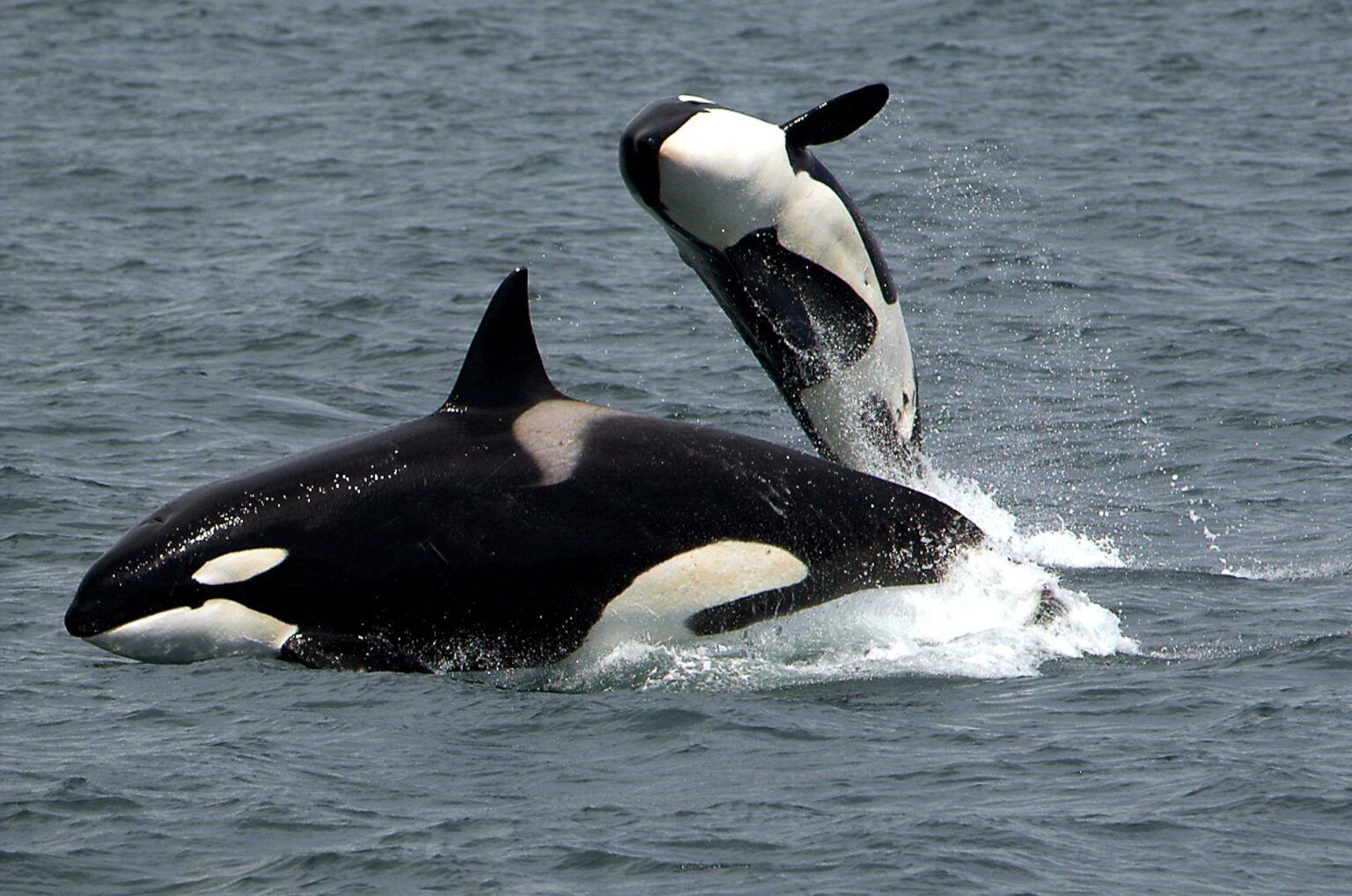
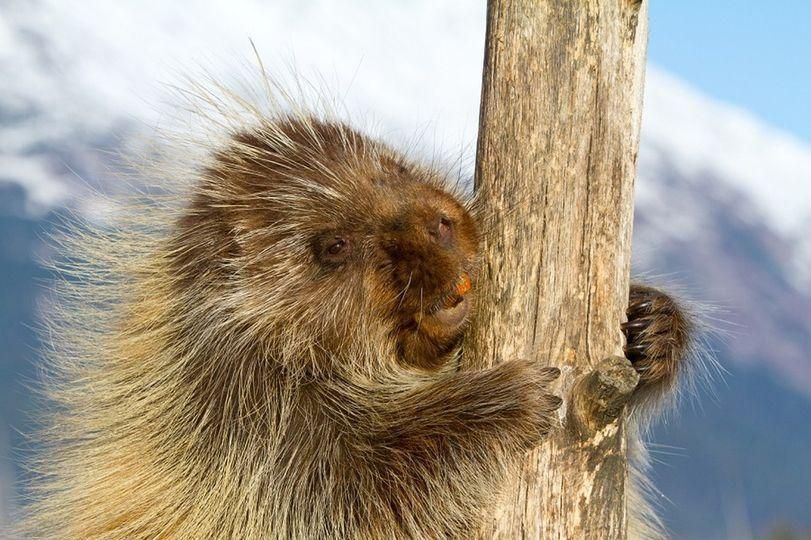
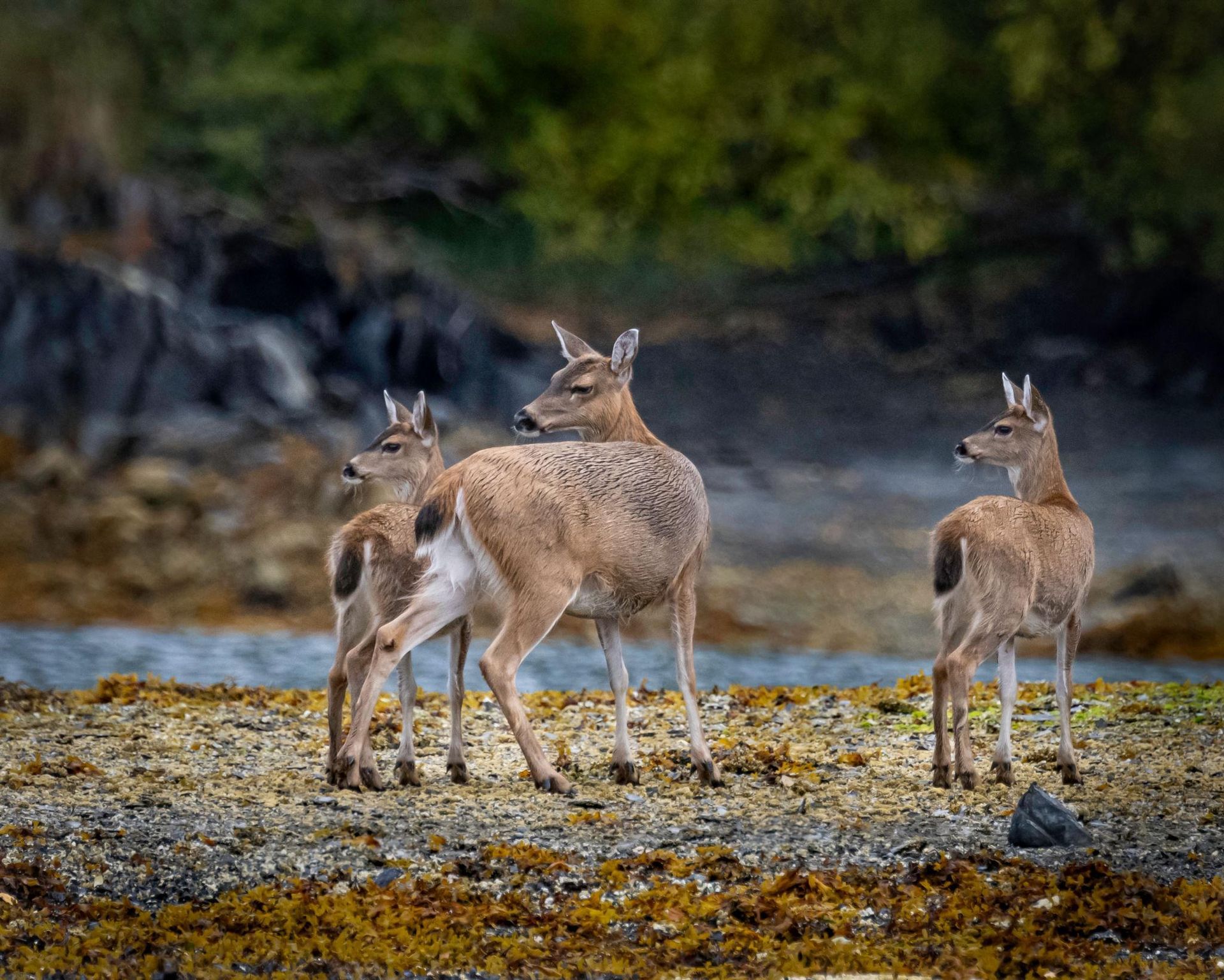
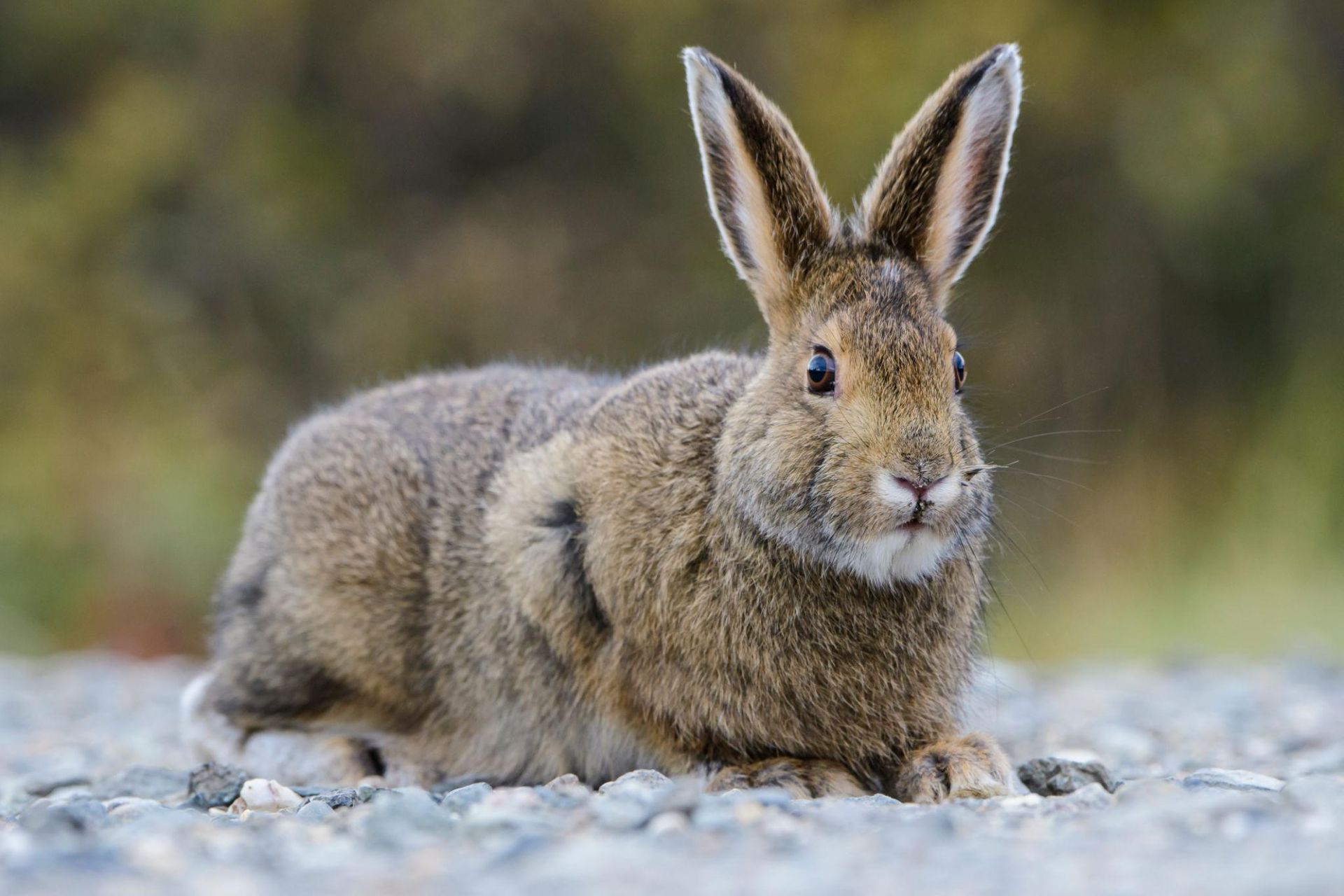
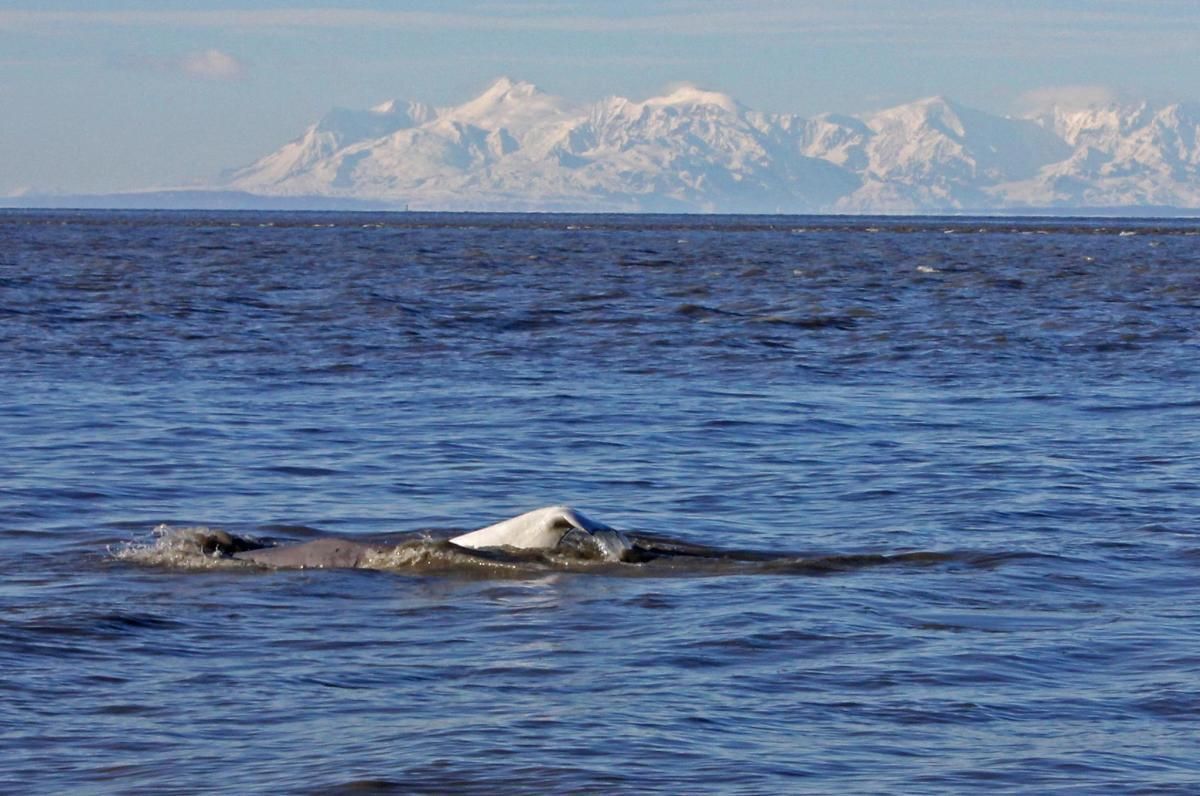
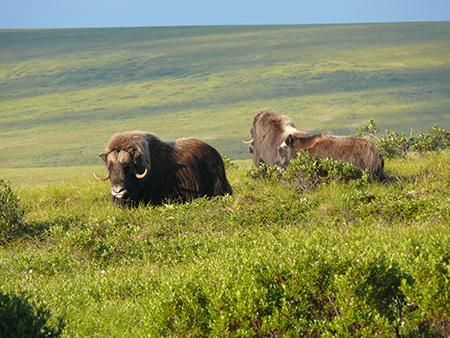
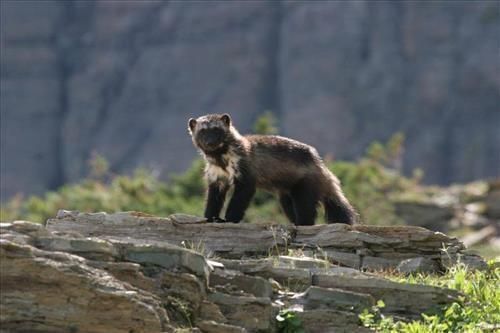
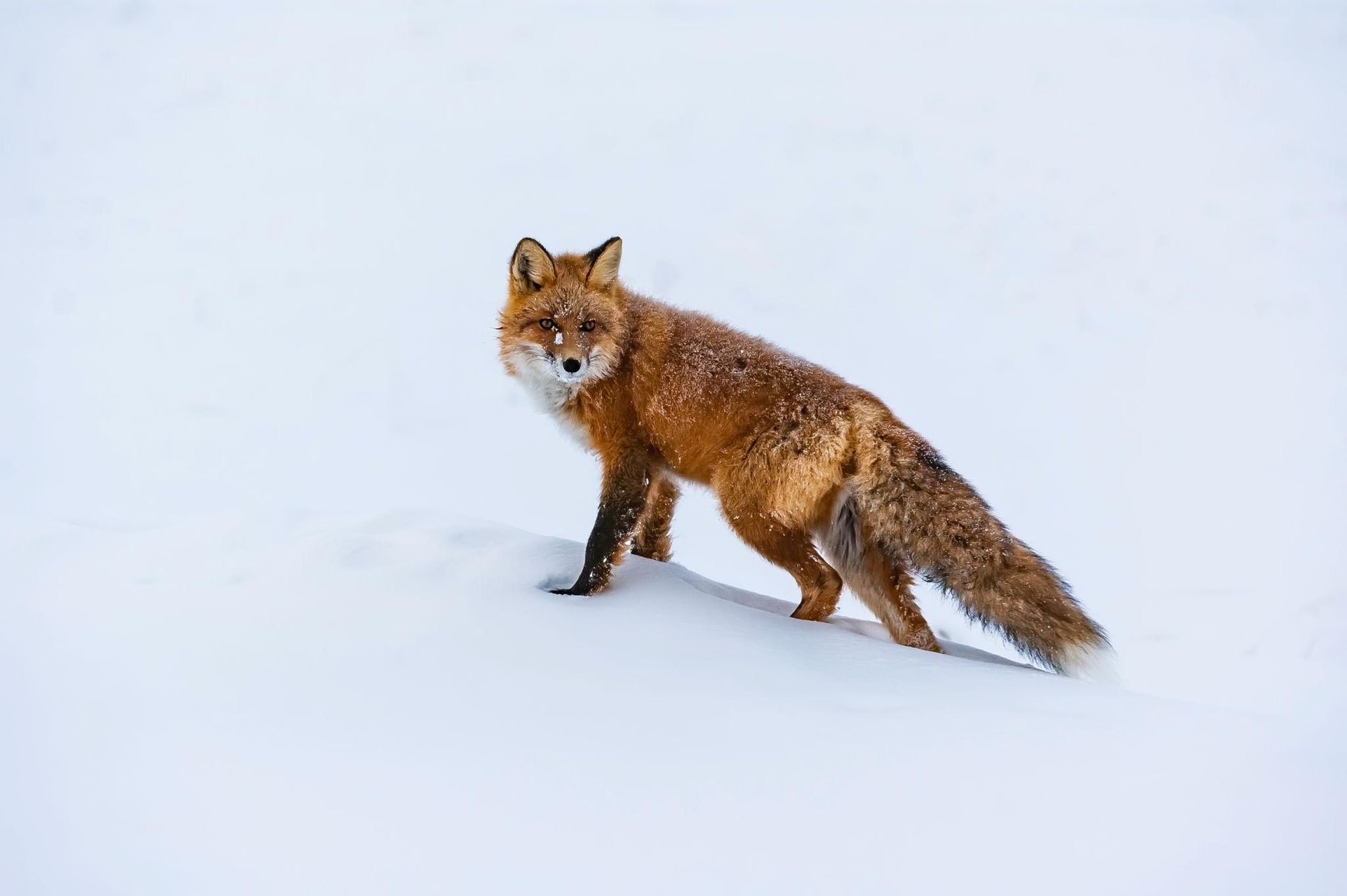
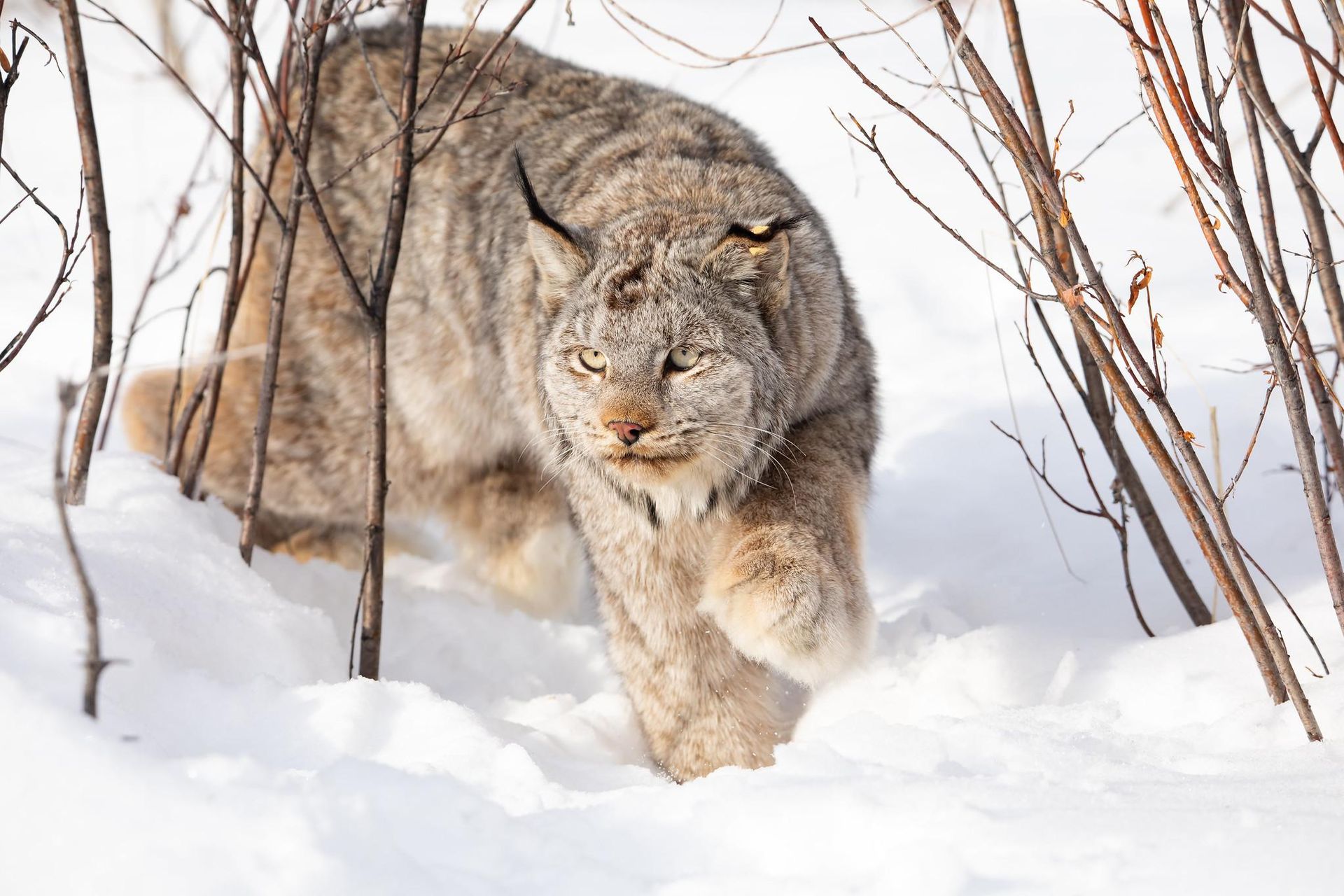
While the list of wildlife you see in Alaska is quite long, including: Sea otters, harbor seals, Orcas, Dall sheep, black bears, wolves, mountain goats, puffins, sea lions, foxes, lynx, porcupine, Sitka black-tailed deer, snowshoe hares, beluga whales, arctic musk ox, and wolverines.
The Big Five

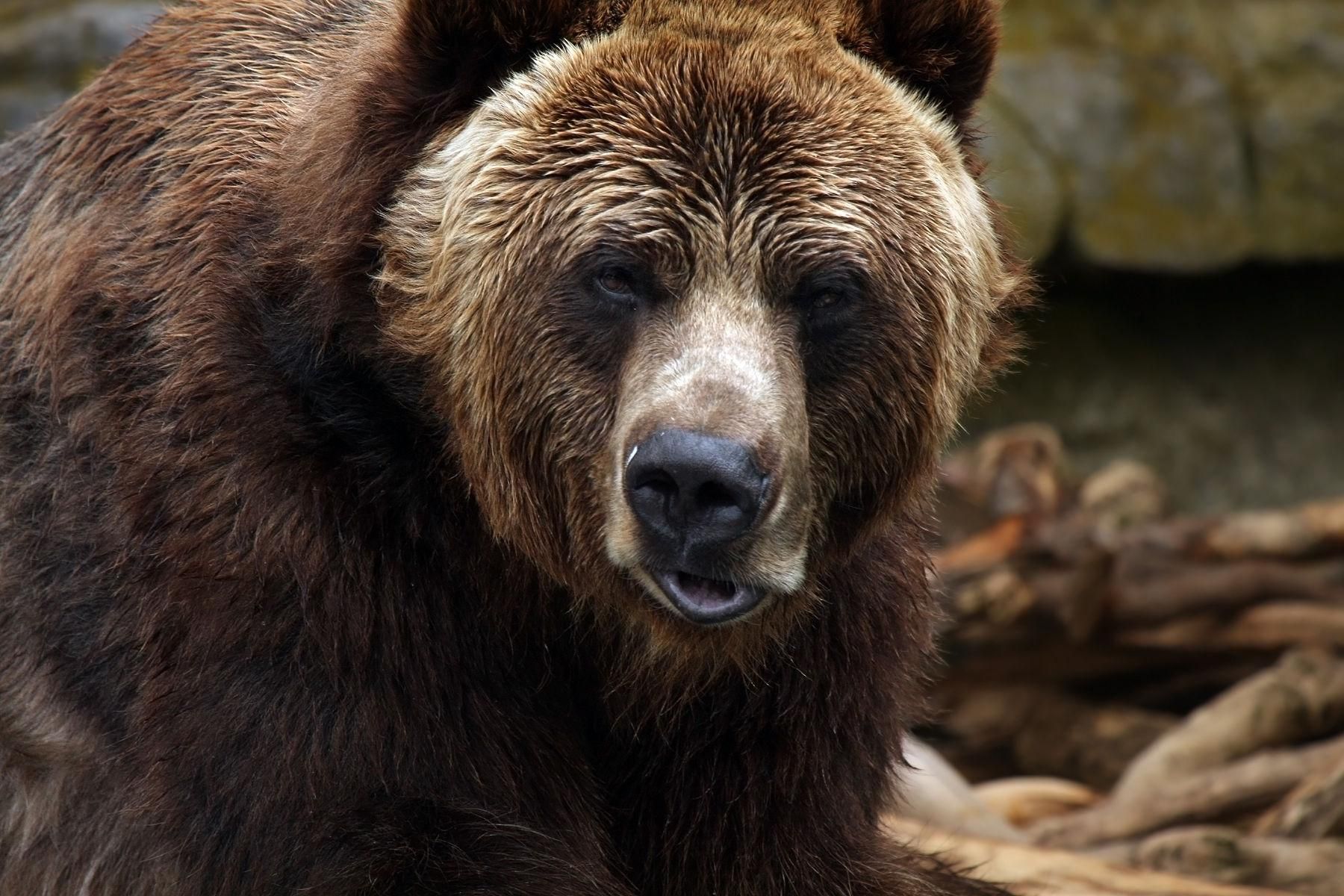
Grizzly Bear
Brown Bears are the symbol of the Alaska wilderness. They are incredibly intelligent animals with an amazing memory and a sense of smell estimated to be thousands of times stronger than humans'.
During summer salmon runs, bears can eat up to 90 pounds of food per day while preparing for hibernation. The giant hump on their shoulders is actually pure muscle, giving them incredible digging and lifting power.
Despite their size, brown bears can move shockingly fast and quietly. Watching one fish in a river is one of the most unforgettable wildlife experiences in Alaska.
- Alaska holds 98% of America's brown bear population.
- Kodiak Bears are among the largest bears in the world.
- Bears can smell food from miles away
- They hibernate for up to 7 months.
- Cubs stay with their mothers for 2-3 years learning survival skills.
- Salmon is critical to their ecosystem and nutrition.
- Adults males can weigh up to 1500 pounds and tand over 10 feet tall.
Moose
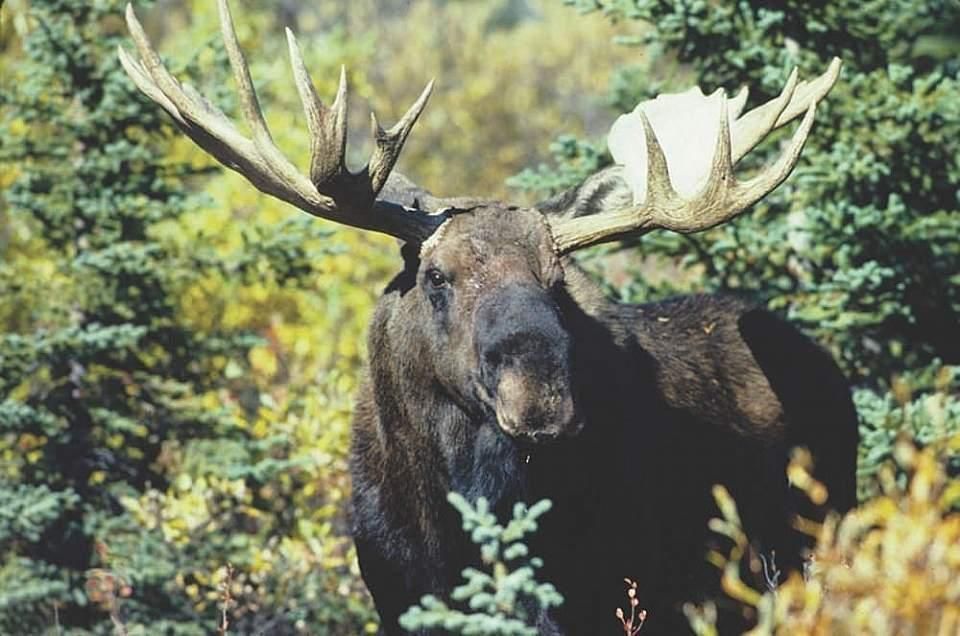
Moose are often the animal visitors underestimate the most, until they see one in person.
A bull moose can weigh nearly as much as a small car. Their long legs help them move through deep snow, marshes, and lakes with ease. Moose are also surprisingly strong swimmers and can dive underwater to eat aquatic plants.
In fall, male moose enter the rutting season where they battle for dominance using antler that can weight 40 pounds.
- Moose are excellent swimmers and can stay underwater for nearly a minute.
- Their noses can close underwater while feeding.
- Antlers regrow every single year.
- Calves can outrun humans within days of birth.
- Moose are solitary animals most of the year.
- They can become aggressive if startled or protecting calves.
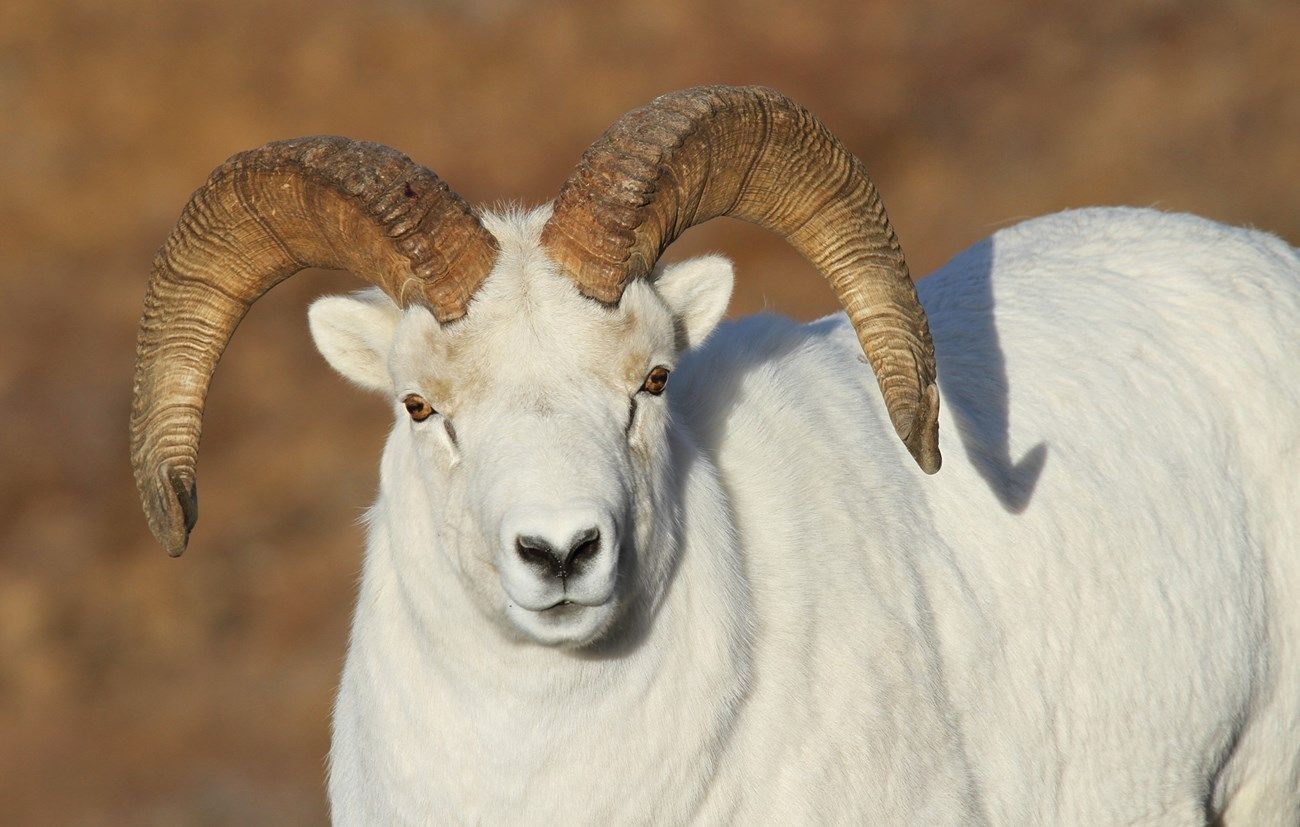
Dall Sheep
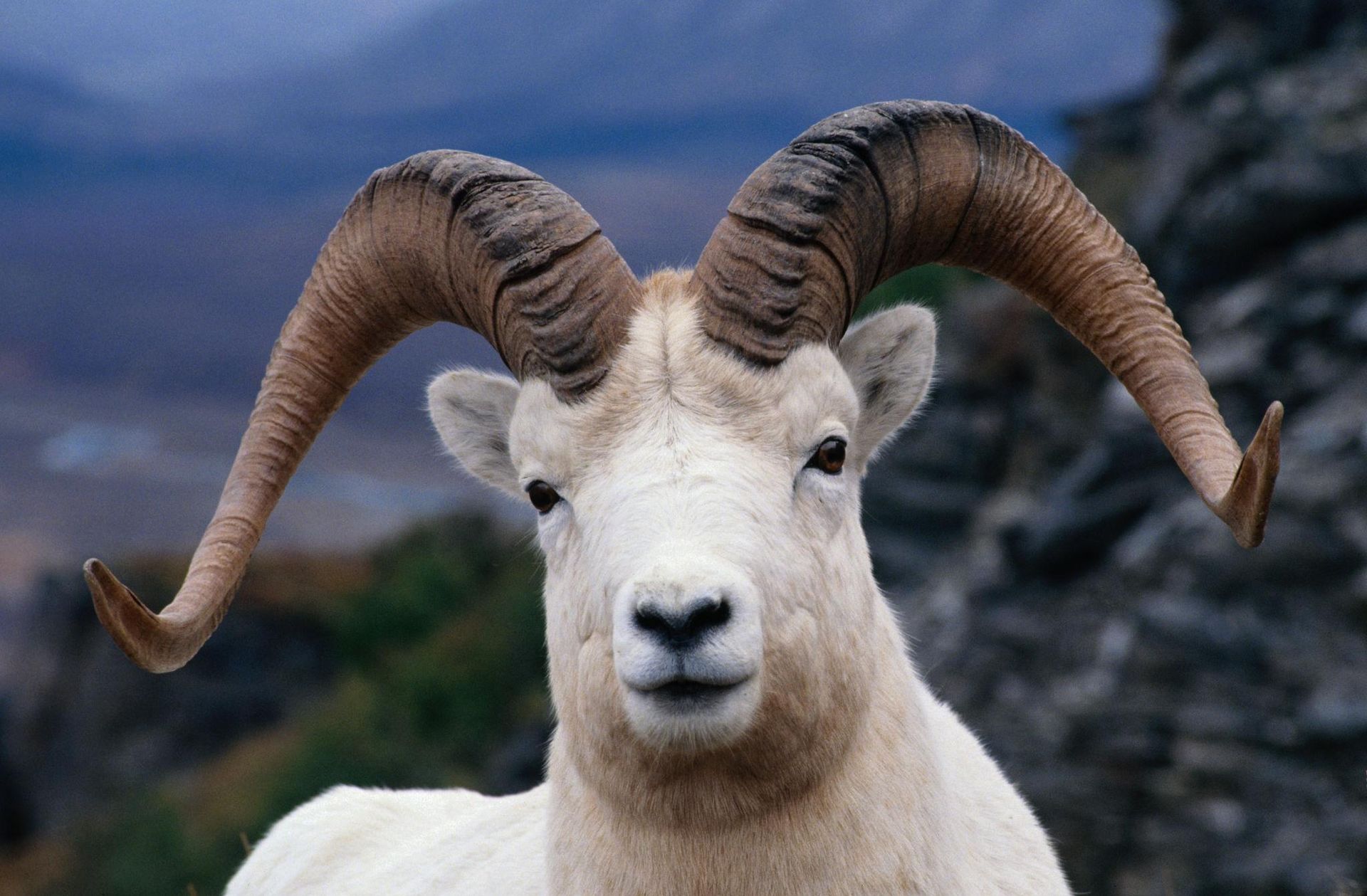
Dall sheep are one of Alaska's most unique mountain animals. Their bright white coats stand out dramatically against the dark, rocky cliffs. These sheep live high in rugged mountain terrain where few predators can safely follow. Their specially designed hooves act almost like climbing shoes, allowing them to navigate cliffs with incredible agility.
Male Dall sheep, called rams, grow massive, curled horns that continue to grow throughout their lives. During mating season, rams battle by charging into each other headfirst, creating crashes that echo through the mountains. Dall sheep are also known for their incredible eyesight and ability to spot danger from long distances.
- Rams grow massive curled horns throughout their lives.
- They can climb near-vertical mountain slopes.
- Their white coats help reflect sunlight in summer.
- Dall Sheep rely on eyesight to detect danger
- Lambs can climb rocky terrain shortly after birth
- Winter survival in harsh mountains is incredibly difficult.
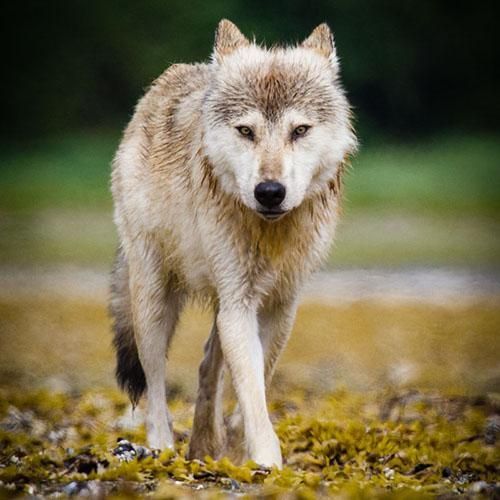
Gray Wolf
Gray wolves are one of the rarest and most exciting wildlife sightings in Alaska. They are intelligent, social, and essential to Alaska's ecosystem. Wolves live in packs that function like close family units, often led by a breeding pair, and they work together to hunt, protect territory, and raise pups. They communicate through howls, body language, facial expressions, and scent marking, with howls carrying across Alaska's valleys and tundra.
Alaska wolves are generally larger than wolves in the lower 48 states because of the harsher climate and the availability of larger prey. They can travel over 30 miles in a single day while hunting caribou, moose, or smaller animals. Wolves are incredibly adaptable and survive everywhere from dense forests to Arctic tundra. Seeing one in the wild is considered very lucky because they naturally avoid humans and blend remarkably well into Alaska's vast wilderness.
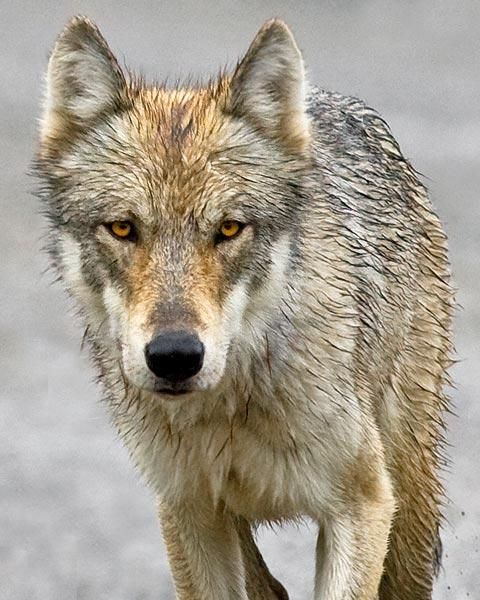
- Wolves can travel 30-50 miles in a single day while hunting or patrolling territory.
- Alaska wolves can weigh over 140 pounds in some regions.
- Wolves have incredible endurance and can run for hours during a hunt.
- Their thick double-layered fur helps them survive the brutal Arctic winters.
- Wolf pups are born blind and completely dependent on the pack.
- Wolves are very loyal to their family group and mate for life.
- Alaska has one of the healthiest wild wolf populations left in the world.
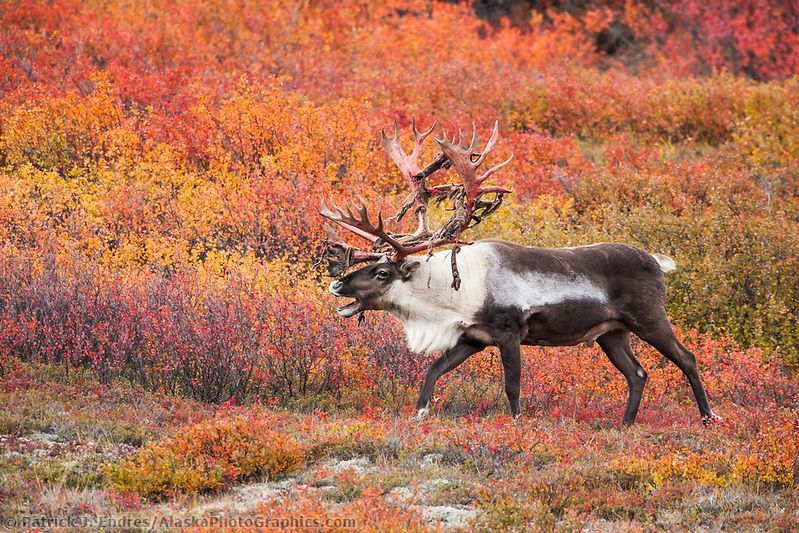
Caribou
Caribou represent the wild Arctic spirit of Alaska. Their migration across the tundra is among the largest wildlife movements on earth. Do you know the difference between Caribou and reindeer? One is domesticated and the other is wild. Caribou are wild, but Santa has reindeer.
Caribou are highly social animals that rely on the herd's protection and instincts to survive predators such as wolves and bears. During migration season, thousands can move together across mountains, rivers, and tundra in an almost endless line stretching across the landscape. For many Alaska Native cultures, caribou have provided food, clothing, tools, and tradition for generations, making them not only important wildlife but also deeply connected to Alaska's history and way of life.
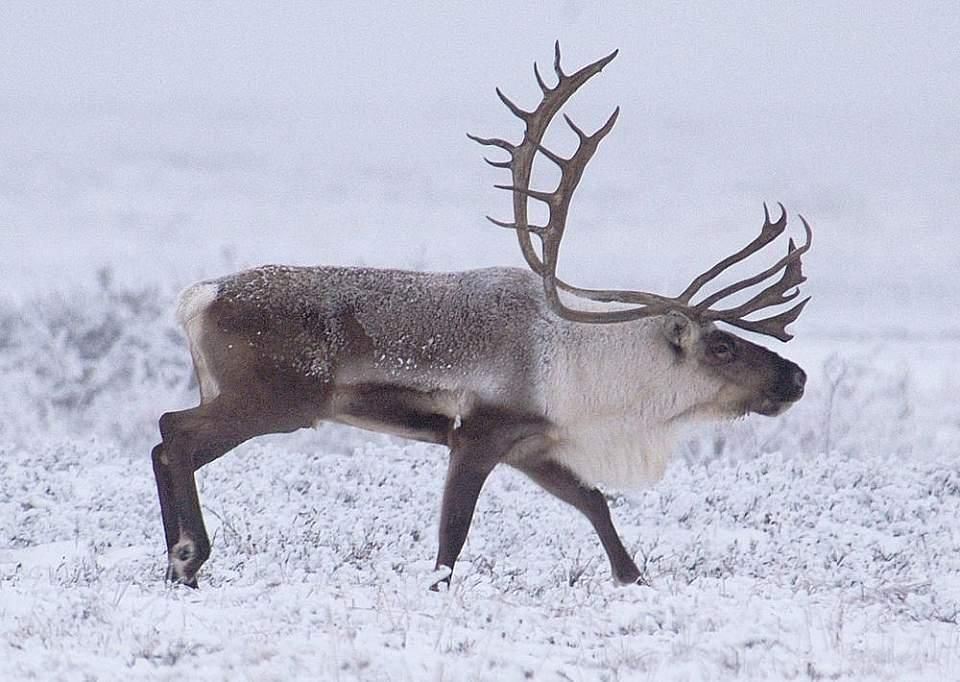
- Both Males and females grow antlers
- Some herds migrate over 1,500 miles yearly
- Their hooves change with the seasons for snow and wetlands
- Caribou fur traps heat and even helps them float
- Calves can walk within hours of birth
- They can see ultraviolet light in snowy environments.
Where to Find Them
Grizzly Bears
- Katmai National Park
- Denali National Park
- Kodiak Island
- Brooks Falls
Moose
- Anchorage
- Fairbanks
- Denali
- Kenai Peninsula
Dall Sheep
- Denali National Park
- Richardson Highway
- Wrangell-St. Elias National Park
Gray Wolf
- Denali National Park
- Interior Alaska
- Arctic Regions
Caribou
- Arctic Alaska
- Brooks range
- Denali Highway
- Gates of the Arctic
- At Santa's House :)