Lexington Green: The Morning America Changed Forever
There are moments in history that seem almost impossible to imagine. Moments so ordinary at first glance that no one present could have known the world was about to change forever. Lexington Green is one of those places.
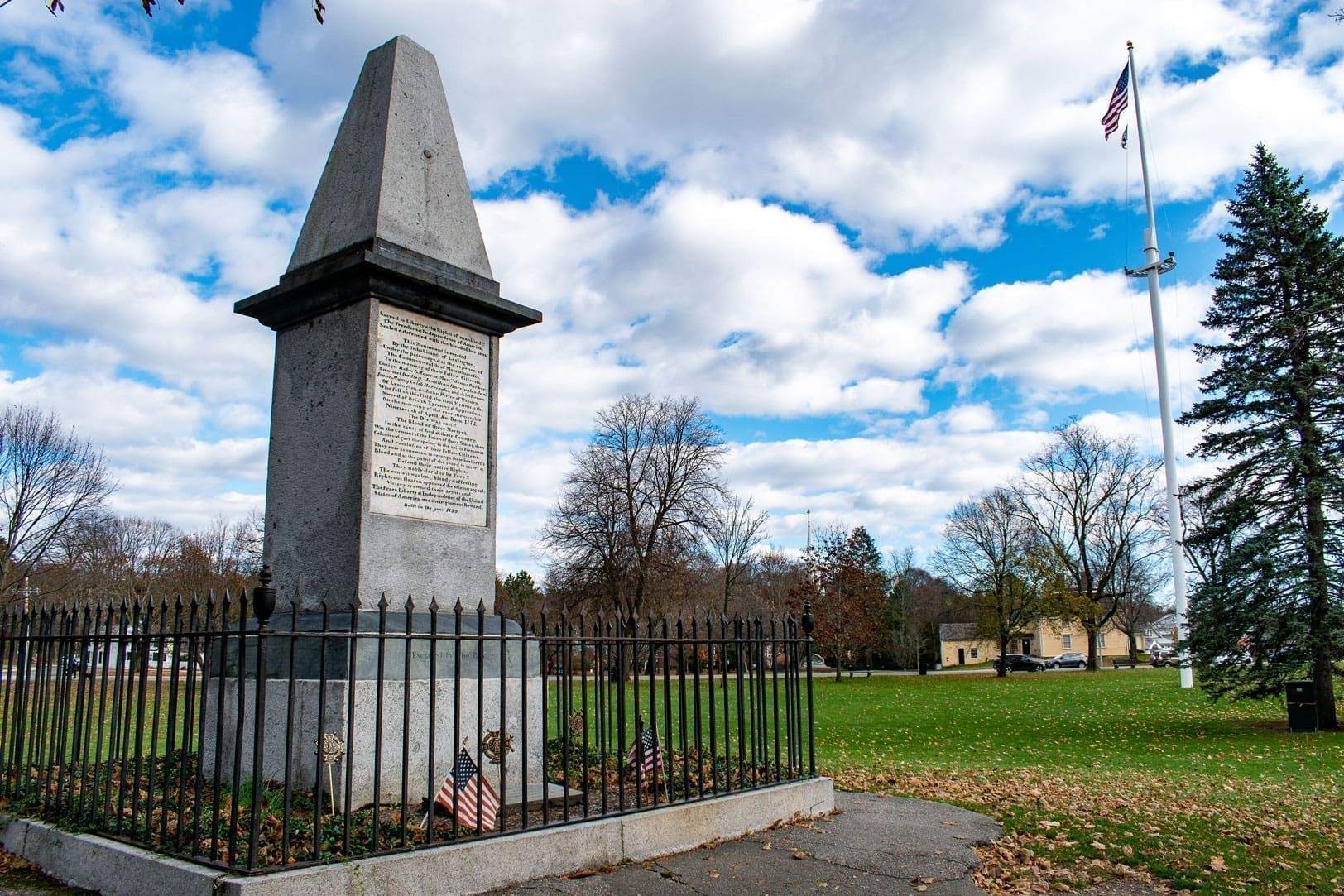
Today, it is peaceful. A small village green surrounded by historic buildings. Birds sing in the trees. Visitors stroll quietly across the grass. Children laugh nearby. It feels like any other New England town.
But before dawn on April 19, 1775, this quiet place became the stage for a moment that would forever alter the course of history.
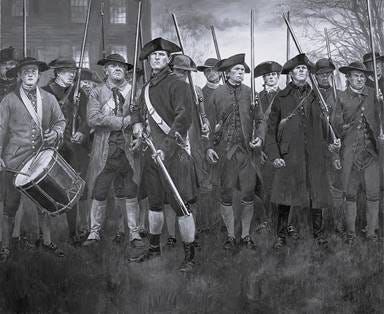
As the first light of morning crept across the Massachusetts countryside, approximately 77 local militiamen gathered on the Green.
They weren't professional soldiers. They were farmers, blacksmiths, shopkeepers, carpenters, and neighbors.
Many had left warm beds only moments before, after hearing that British Regulars were marching toward Concord. Their purpose was to seize colonial military supplies and, if they could find them, arrest Patriot leaders.
Captain John Parker stood before his men.
He was not a famous general.
I fact, he was a farmer who suffered from tuberculosis, a disease that left him physically weak. Yet on that morning, the responsibility of leading his neighbors rested squarely on his shoulders.
His instructions echoed through history
"Stand your ground.
Don't fire unless fired upon.
But if they mean to have a war, let it begin here."
Those words weren't spoken by a man eager for a battle. They were spoken by someone hoping to avoid one.
Imagine standing there.
The Cool spring air. The nervous silence. The distant sound of marching boots growing louder.
Then suddenly.......
Hundreds of British soldiers appeared—bright red coats. Polished muskets. Bayonets glinting in the morning light. The two groups faced one another. Neither side truly wanted what might happen next. Orders were shouted. Confusion spread. Someone fired.
To this day, no one knows who pulled the trigger.
History simply remembers it as:
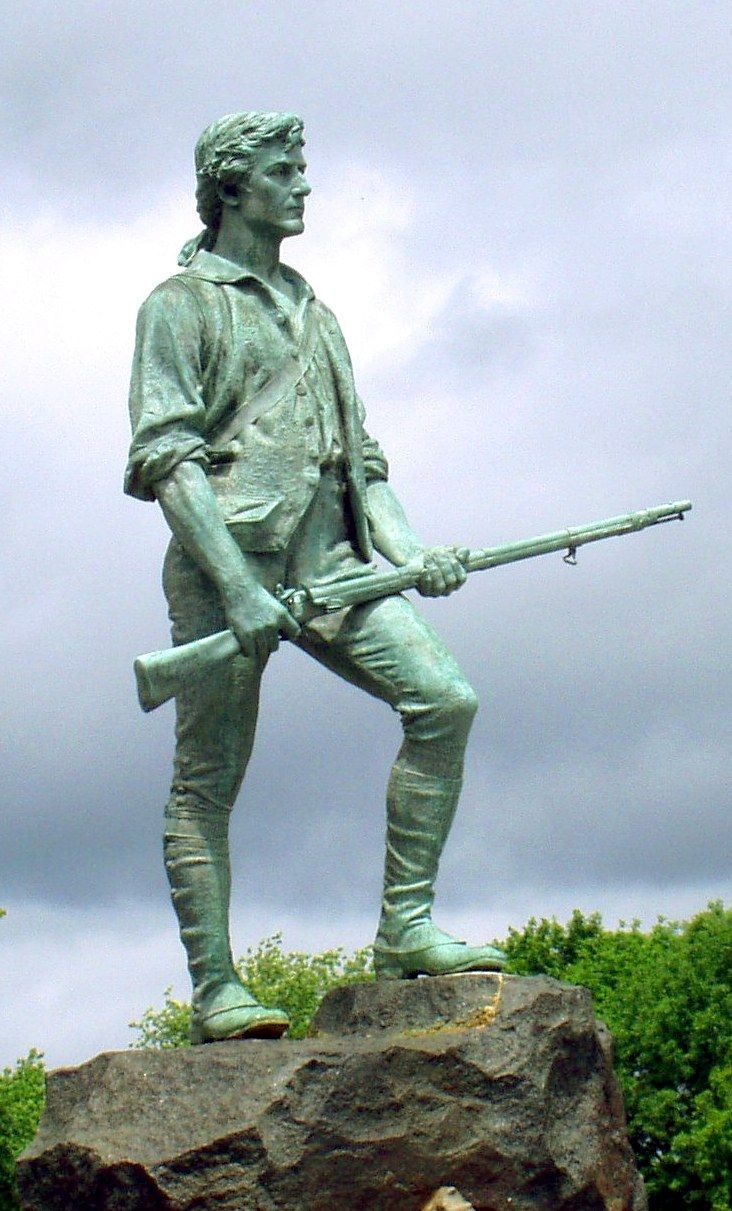
The Shot Heard 'round the World
Within moments, musket fire filled the air. Smoke drifted across the Green. When the shooting stopped, eight colonial militia members lay dead. Ten others were wounded. The British continued toward Concord. But something had changed. The fighting that morning wasn't a great military victory.
It wasn't even a great battle. Yet it marked the moment when years of frustration, disagreement, and protest became open revolution. There was no turning back.
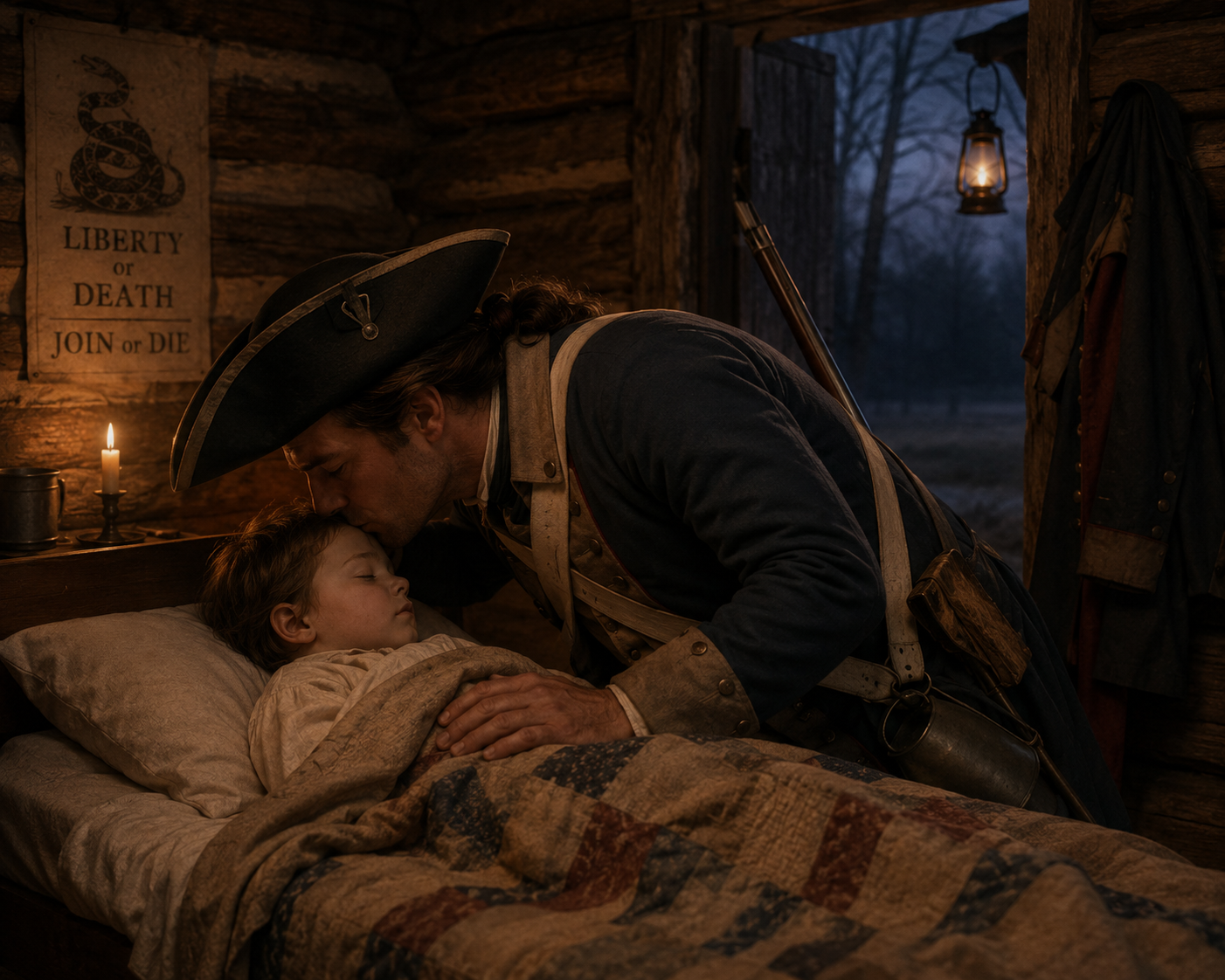
What moves me most about Lexington Green isn't the battle itself. It's the people. Ordinary men who kissed their families goodbye that morning, believing they were simply answering a call from their community.
They couldn't have imagined that schoolchildren would still learn their names 250 years later. Captain John Parker didn't know he would become part of American history. The farmers standing beside him didn't know poets would write about that morning.
None of them knew that people from around the world would one day travel thousands of miles to stand where they stood.
They simply did what they believed was right.
Standing on Lexington Green today is unlike visiting many historic sites. There are no marble buildings. Instead there is simplicty. A reminder that history often begins in ordinary places.
As I imagine that quiet April morning, I can't help but wonder what I would have done.
Would I have stayed? Would fear have sent me home? Or would I have stood beside my neighbors, uncertain of what the next few moments might bring?
History has a remarkable way of asking us questions we can never fully answer.
Perhaps that's why places like Lexington Green continue to matter. They remind us that the course of history is often changed, not by famous people seeking greatness, but by ordinary people willing to stand together when ti matters most.

As America celebrates its 250th anniversary, Lexington Green invites us to remember that freedom did not begin with certainty. It began with courage. It began with ordinary people making extraordinary choices. And one April morning in 1775, a quiet village green became the place where America took its first step toward becoming a nation.
Visiting Lexington Green isn't about watching a battle reenactment or checking another landmark off a bucket list. It's about standig in a place where ordinary people made a decision that changed history. As you walk across the Green, it's impossible not to imagine those first rays of sunlight, the nervous silene, and the uncertainty that filled the air before the first shot rang out.
History has a way of becoming deeping personal when you stand where it actually happened.
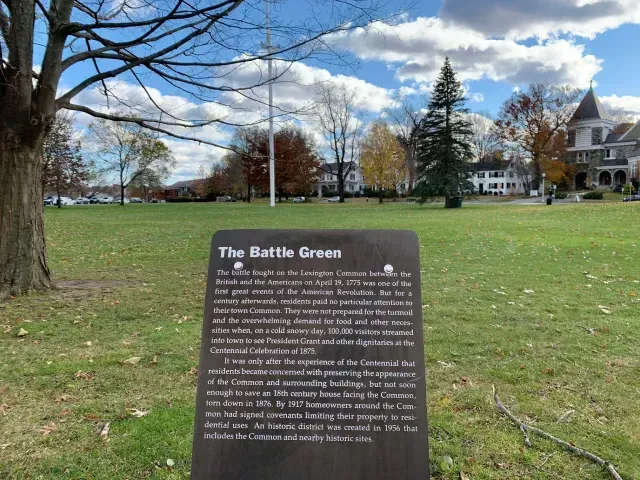
As you explore America during its 250th anniversary, I encourage you to visit the places where history unfolded, not simply to see them, but to understand the people who stood there before us.
So again I ask, what would you have done that April morning, knowing the danger that lay ahead? Would you have stayed beside your neighbors?
History isn't found in the pages of a book. It's waiting in the places where ordinary people changed the world.