So many times I am asked "When is the best time to visit Alaska?"
That is such a hard question to answer. Why? Because it really depends on what you want to see and experience. Each season is different with different experiences. So, the answer to this question is hard but simple. Once we know what you want to experience then it's easy to answer that question.
I am a travel advisor who specializes in Alaska. I have traveled to almost all the regions and have experienced different seasons. I have traveled with Royal Carribbean, Holland America, and Princess Cruise Lines. Each experience was different and each experience was amazing. I don't necessarily have a favorite because I want to experience all of Alaska.
Understanding the seasons can make a difference in helping your experience meet your expectations.
Weather by Region
Southeast Alaska
Includes:
- Ketchikan
- Juneau
- Sitka
- Skagway
- Glacier Bay
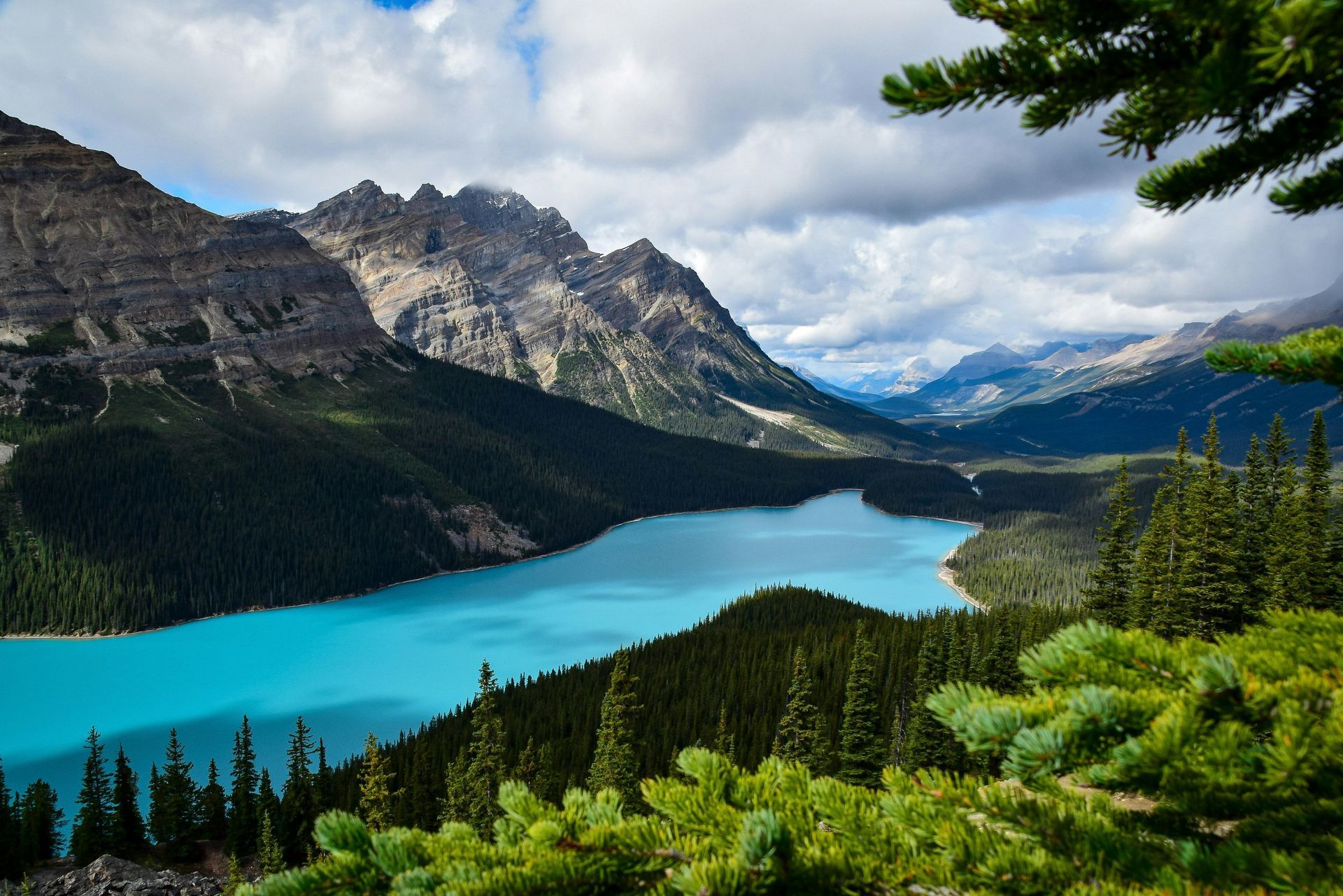
This is cruise country with lush rainforests, fjords, glaciers, whales, and lush green scenery.
Typical Summer Temperatures:
- May: 45-60° F
- June - July: 50-65° F
- August: 50-63° F
- September: 45-58° F
This area gets signifanly more rain than most travelers expect. Be prepared for rain.
Ketchikan averages over 150 inches annually and proudly calls itself one of American's rainiest towns.
Southcentral Alaska
Includes:
- Anchorage
- Seward
- Kenai
- Whittier
This region combines mountains, glaciers, wildlife, and land tours.
Summer Temperatures:
- May: 45-60° F
- June - August: 55-70° F
- September: 45-60° F
Weather can change fast. Sunshine in Anchorage can become cool mist drizzle an hour later near.
Southwest Alaska
- Includes:
- Kodiak
- Katmai
- Bristol Bay
- Aleutian Islands
This area is known for frequent fog, cloudy conditions, windy, cool summers and sudden weather changes.
Summer Temperatures:
- May: 35-55° F
- June - July: 45-65° F
- August: 45-63° F
- September: 35-55°F
Interior Alaska
Includes:
- Denali
- Fairbanks
- Talkeetna
This surprises a lot of people. Interior Alaska can become suprisingly warm.
Summer Temperatures:
- May: 40-65° F
- June - July: 65-80° F
- Sometimes reaches 85° F +
This region has drier weather and larger temperature swings.
Arctic Alaska
Includes:
- Utqiagvik/Barrow
- Gates of the Arctic
- Brooks range
- Actic National Wildlife Refuge
This is a land of vast tundra, midnight sun, polar bears, caribou migrations, and endless wilderness.
Summer Temperatures:
- May: 20-40° F
- June - July: 35-55° F
- August: 30-50° F
- September: 20-40° F
Snow is still present well into June, and frost is possible during any month.
Spring in Alaska
Spring creeps into Alaska slowly and steadily. It starts with "break-up". This is when the ice on the rivers begins to crack and break apart. Then the wildlife begins to wake up, and they are hungry. They began traveling to find food. The crowds remain light.
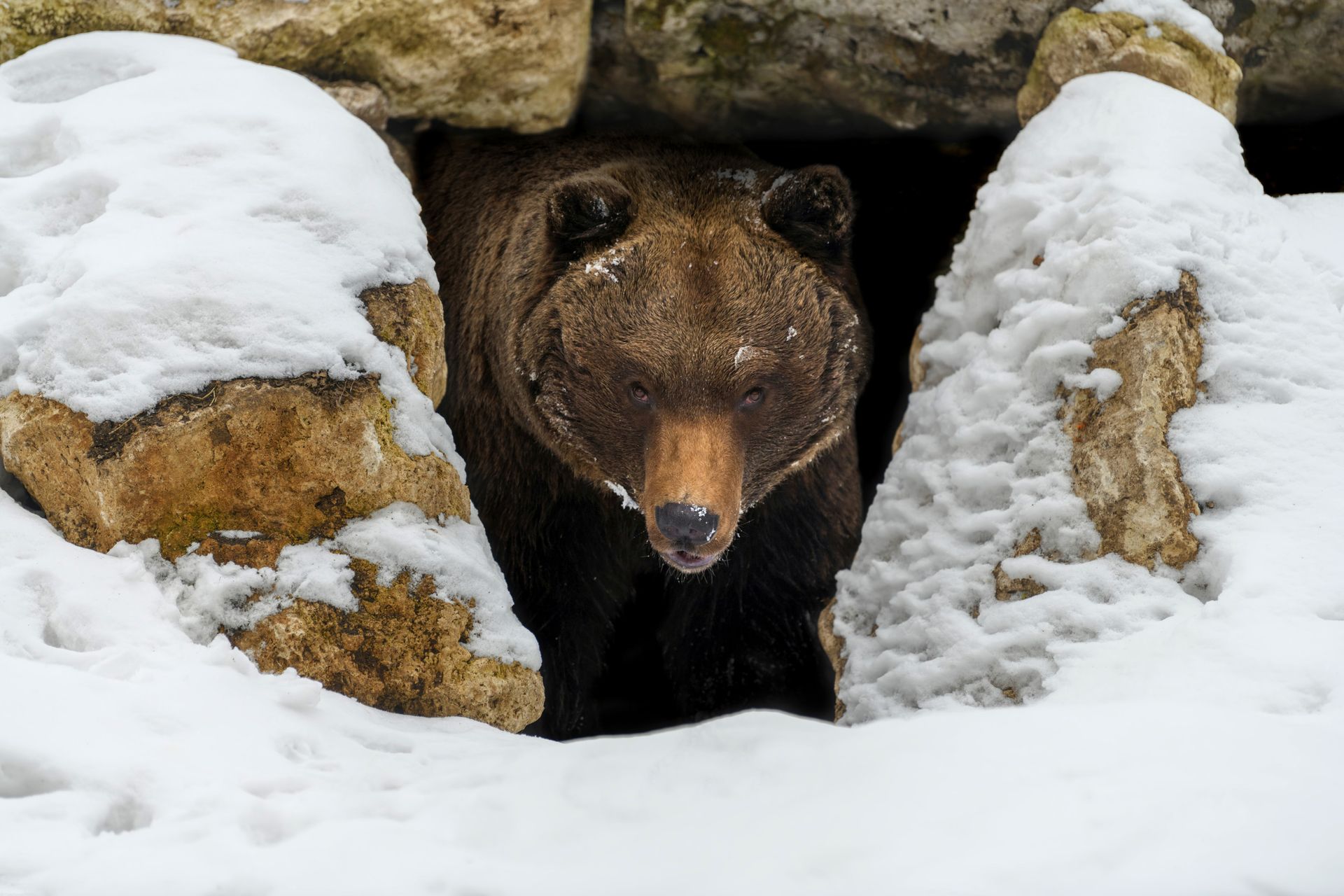
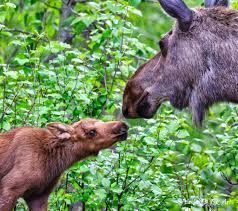
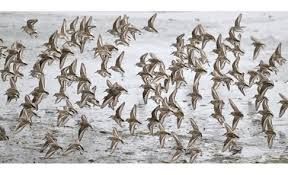
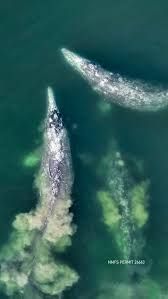
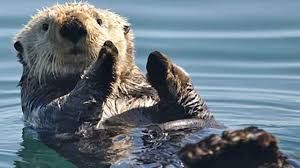
This is the season of Beginnings:
- Bears emerge from Hibernation
- Moose calves begin appearing
- Migrating birds return
- Gray whales migrate north
- Sea otters become active
Summer in Alaska
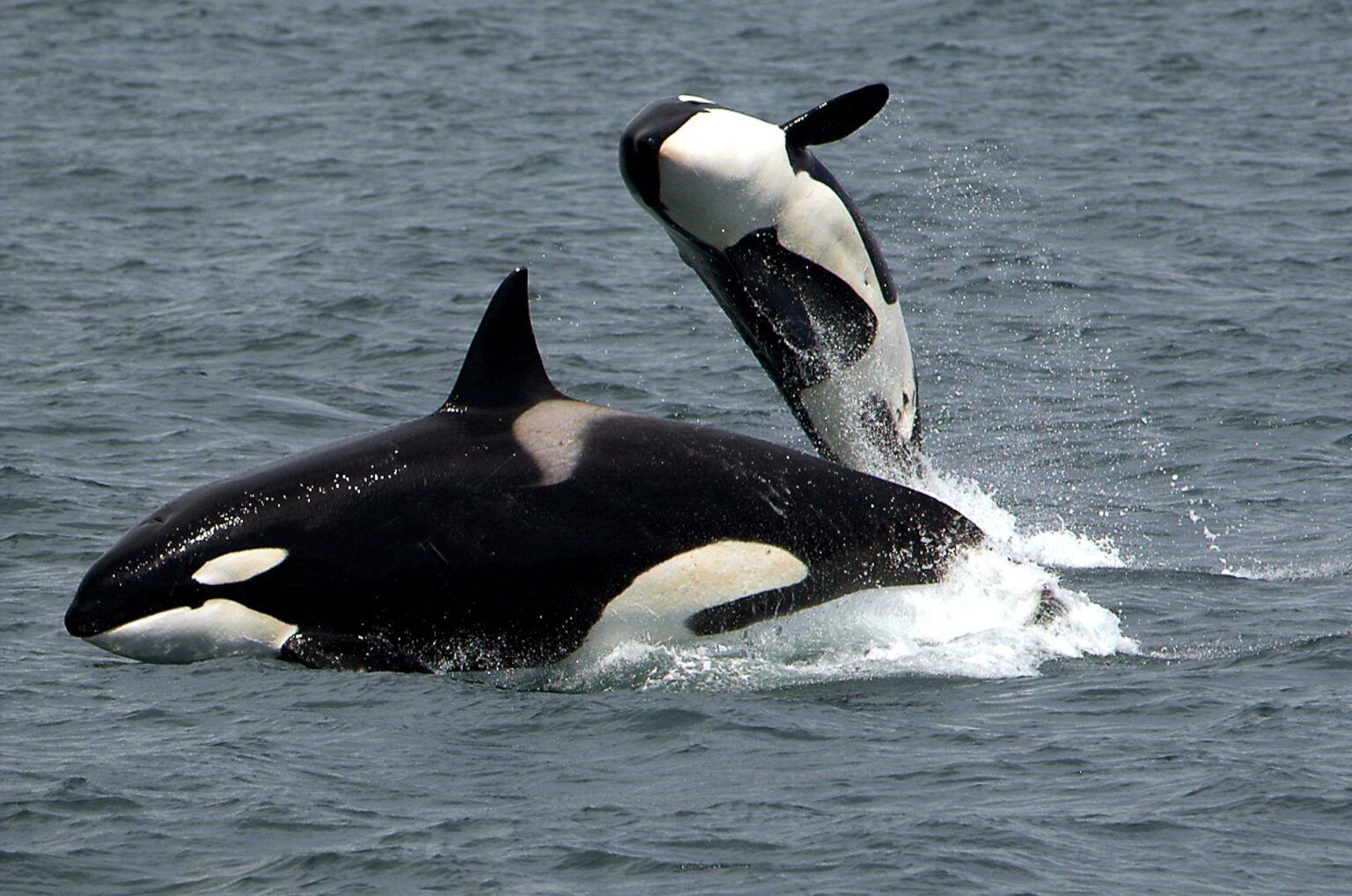
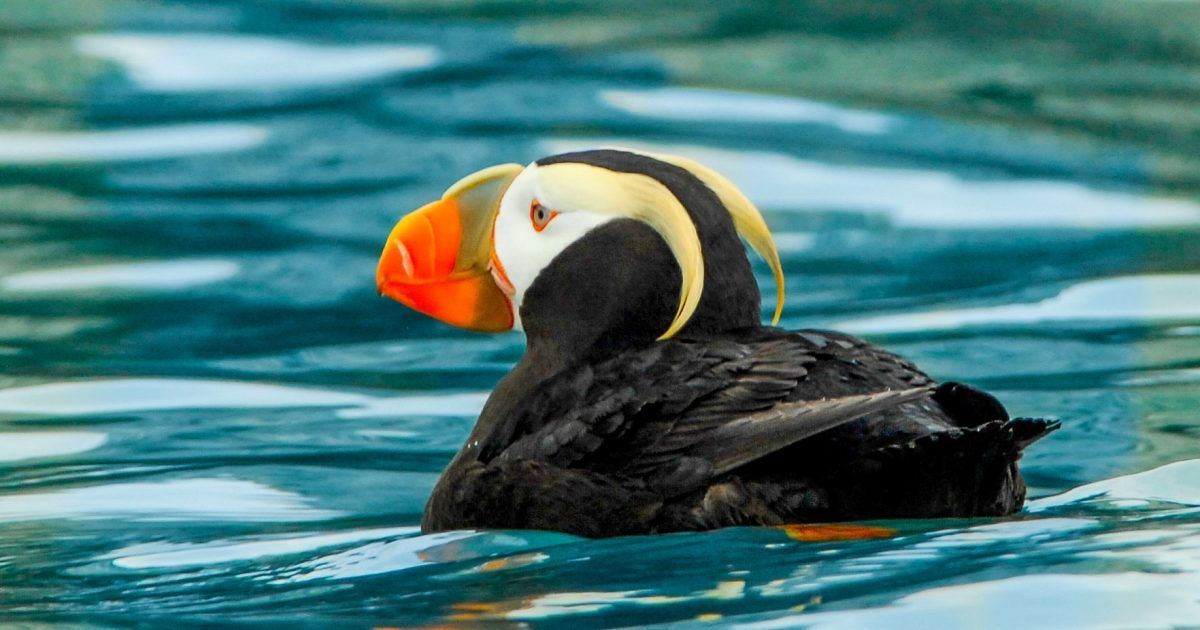
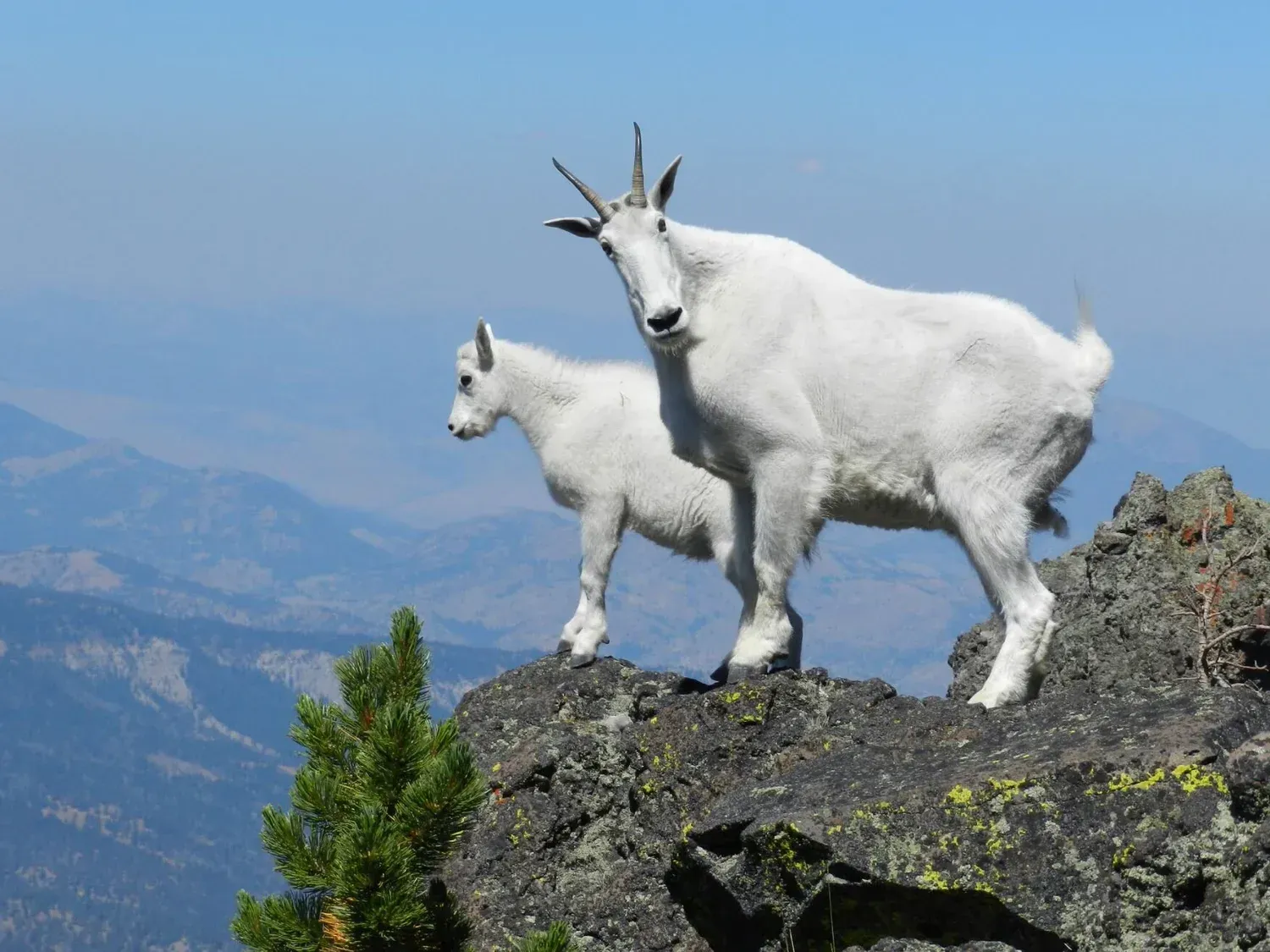
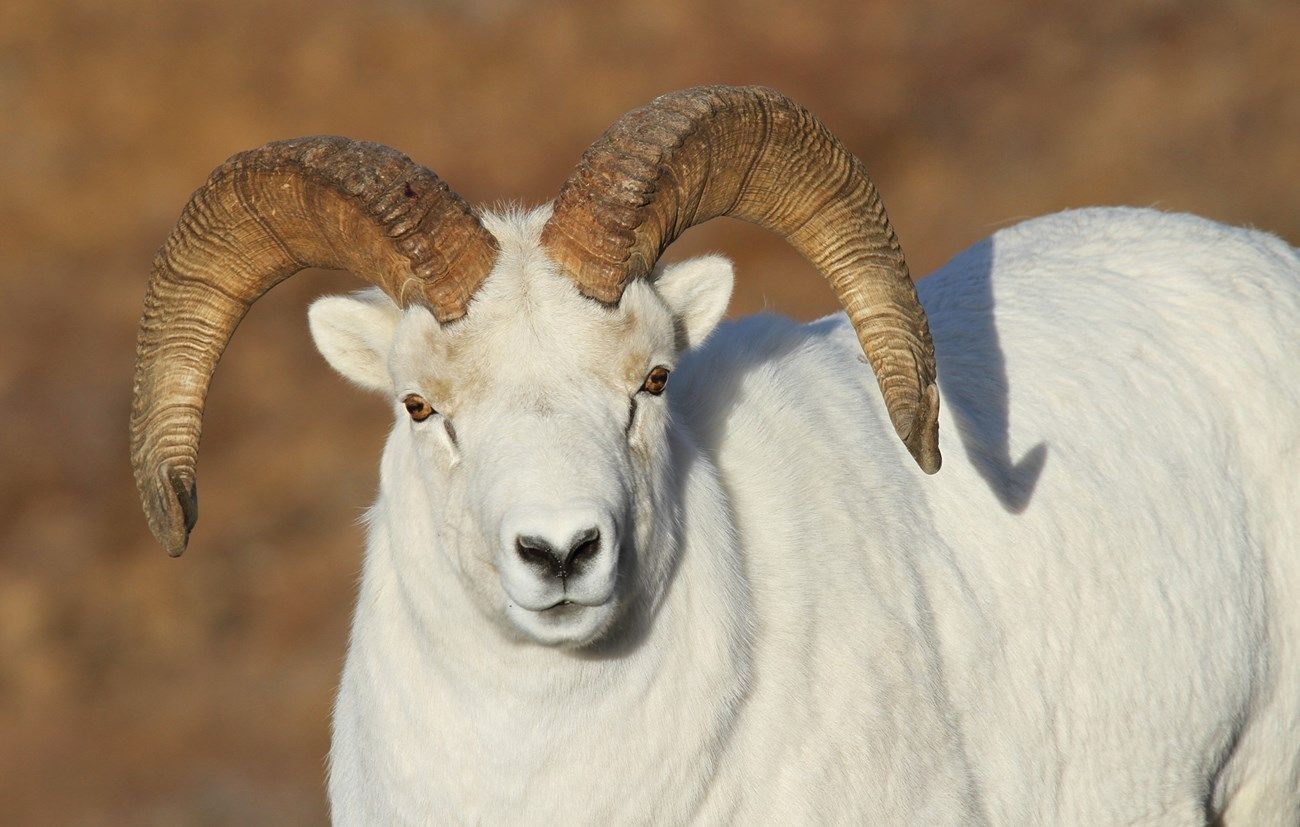
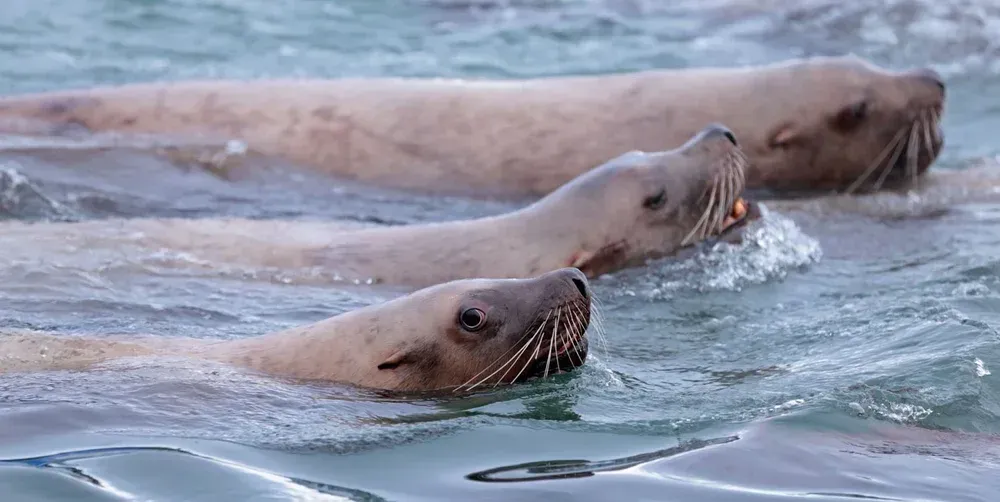
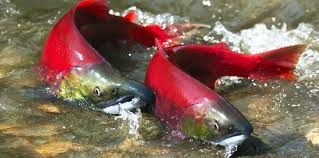
Summer is peak season in Alaska. Everything is awake and active. The cruise ships are coming in. The float planes are buzzing by. The whales are jumping. The fishermen are catching fish by the netload, and days are very long, reaching up to 22 hours of daylight. During this season, you play hard, and you play long.
This season is best for:
- First-time visitors
- Cruise travelers
- Wildlife Viewing
- Glacier Viewing
- Families
Fall in Alaska
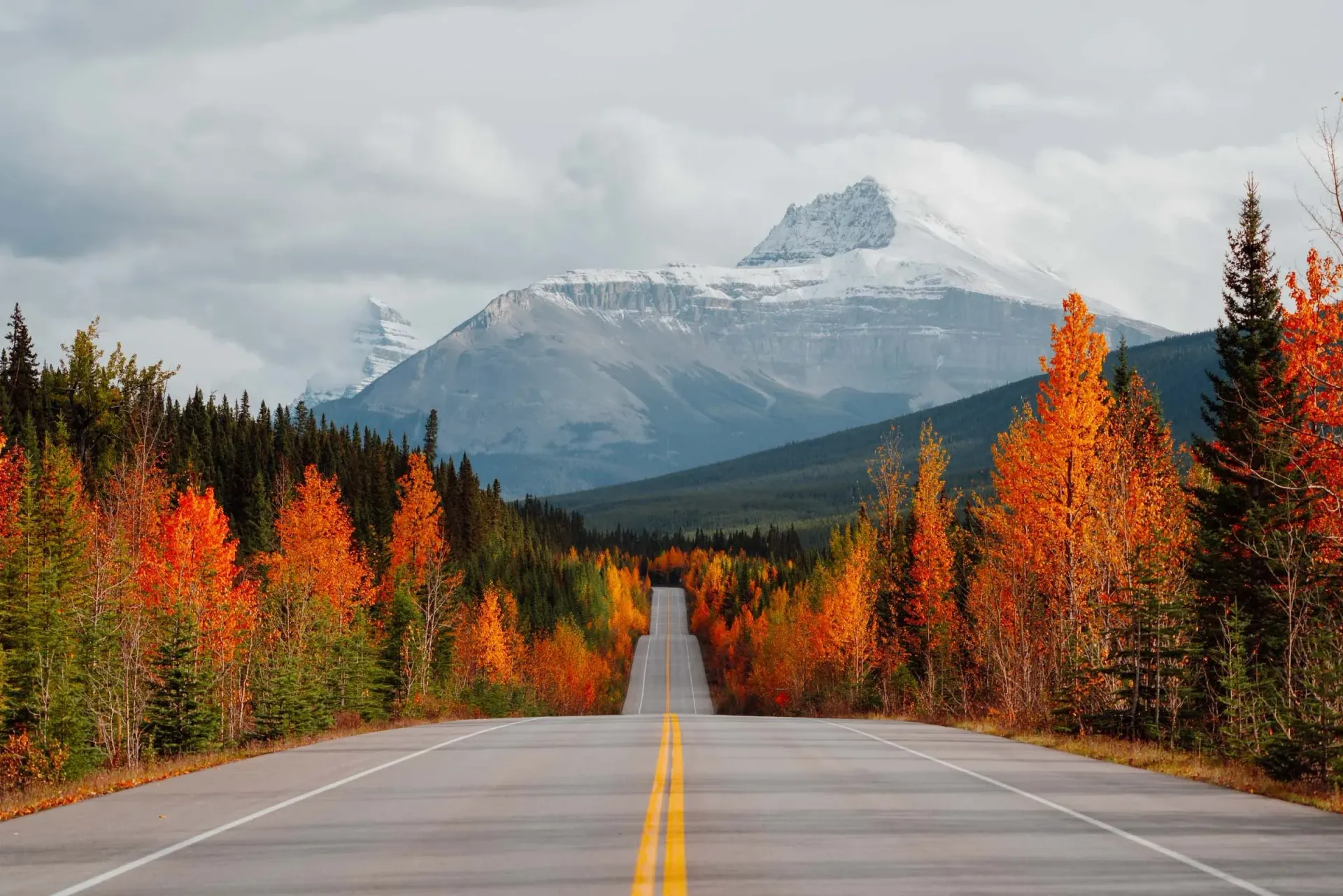
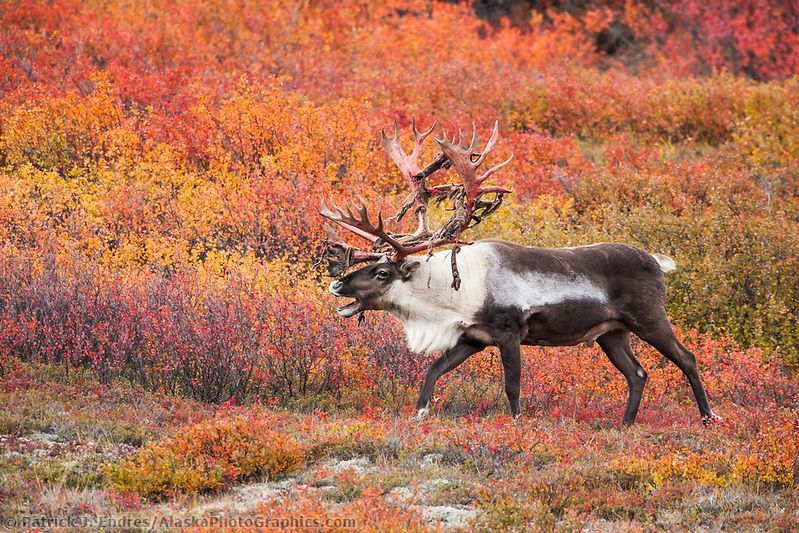
While Spring in Alaska is slow, Fall comes in fast, almost overnight. The leaves turn gold and bright yellow against the evergreens that are deep green. The Tundra landscape becomes beautiful shades of orange and red. Crowds begin shrinking. The cruise ships finish up for the season. Prices begin to fall. Days become shorter, and with that, the beginning of the Northern Lights.
Wildlife In Fall:
- Bears intensely feed before winter
- Moose rutting season begins
- Caribou migration peaks
- Northern Lights begin appearing in interior Alaska
Best For:
- Fall Colors
- Fewer Crowds
- Photography
- Northern Lights opportunities
Winter In Alaska
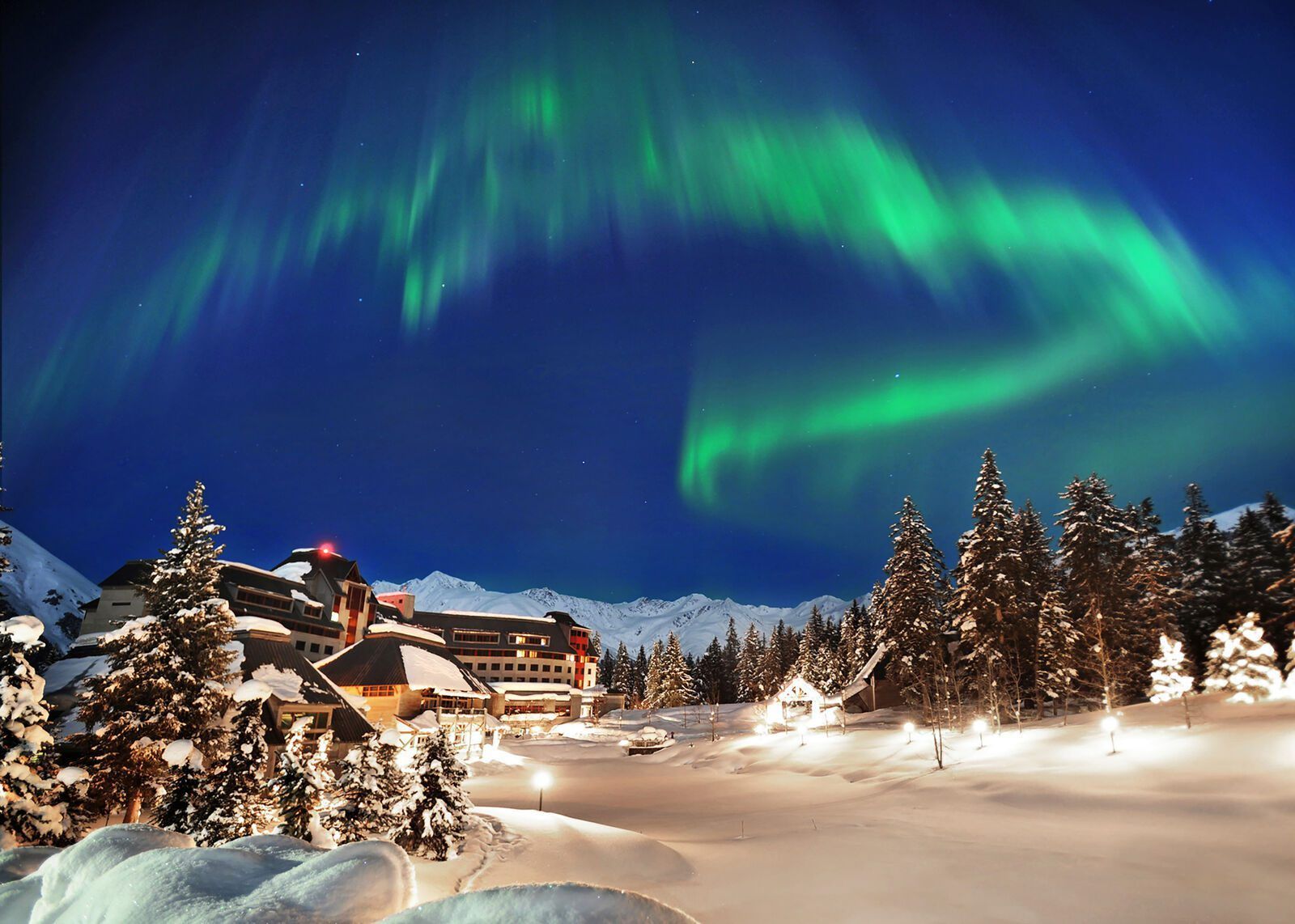
Winter in Alaska is a "whole new world." Fairbanks is one of the world's premier Northern Light destinations. The temperatures drop, the landscape turns white and crisp, and the sun goes down, visible for just a few hours a day till Spring.
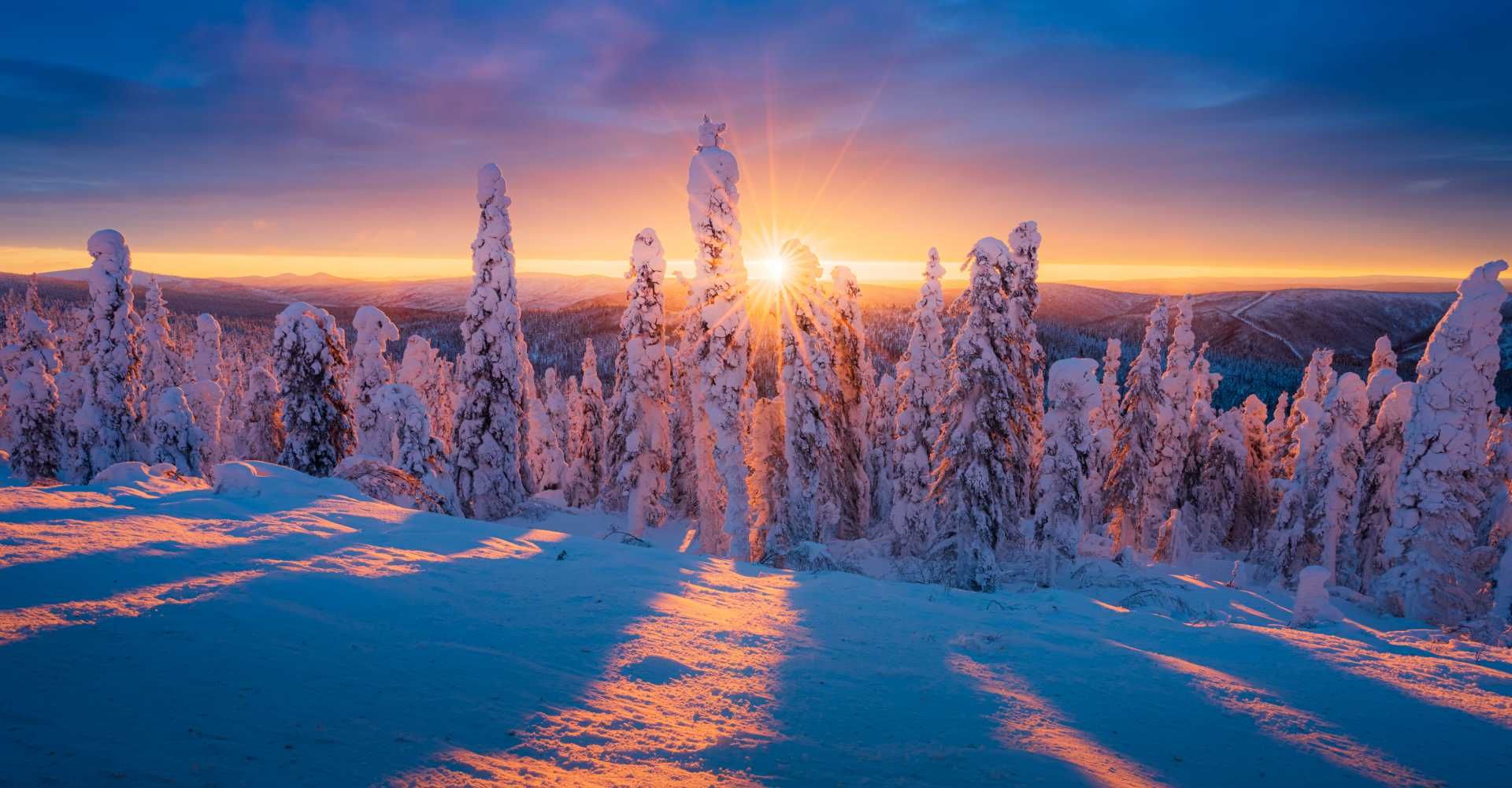
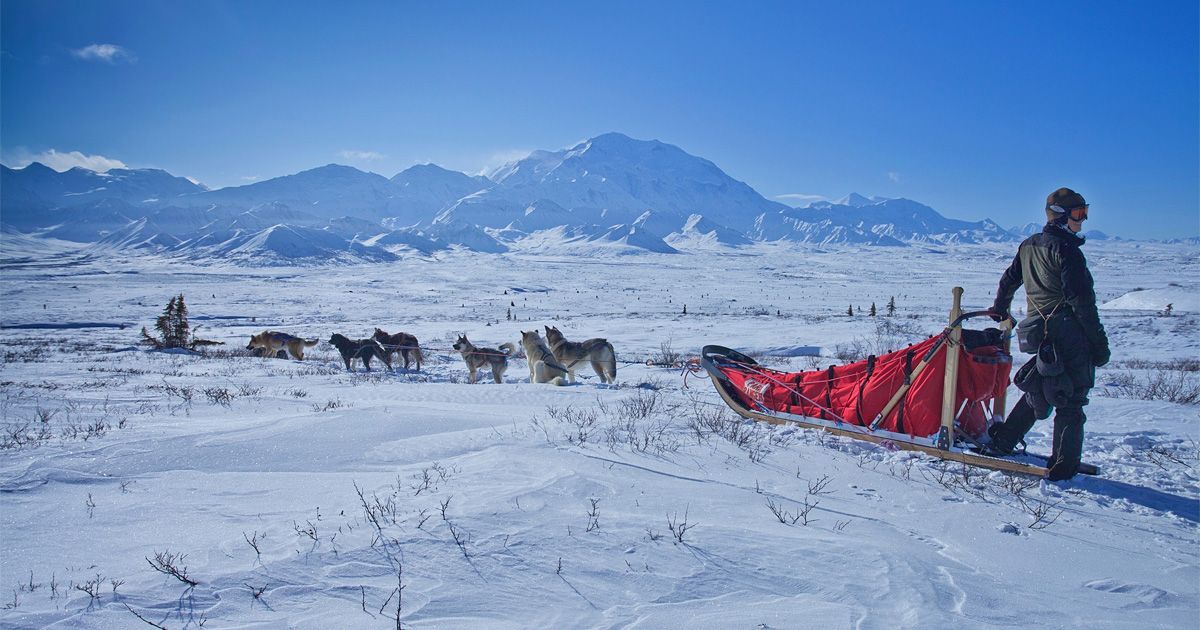
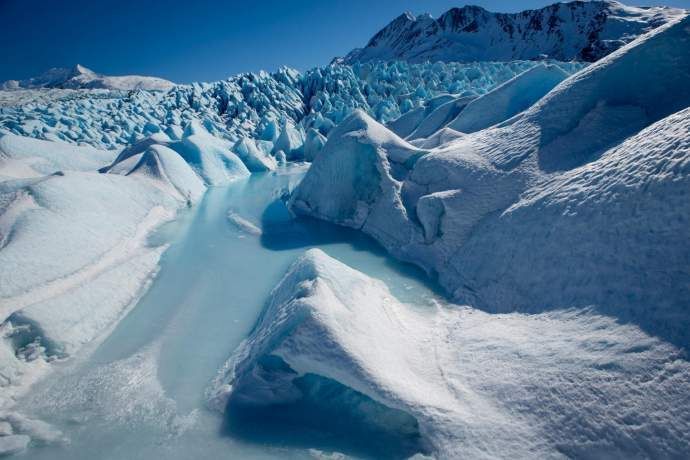
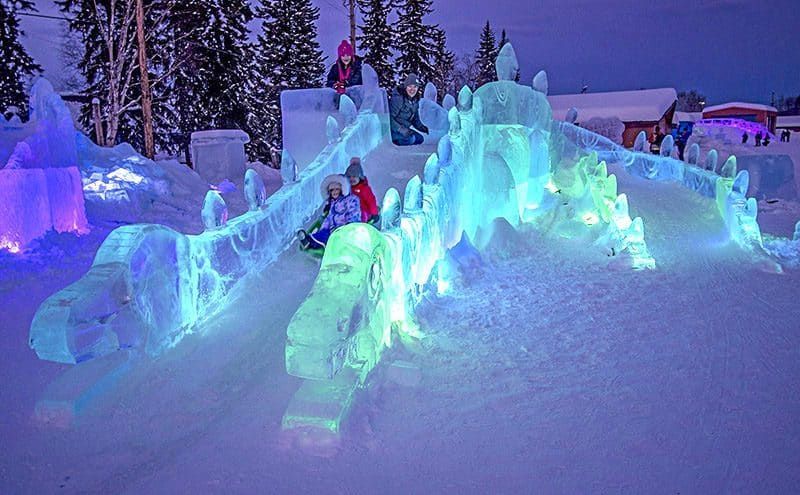
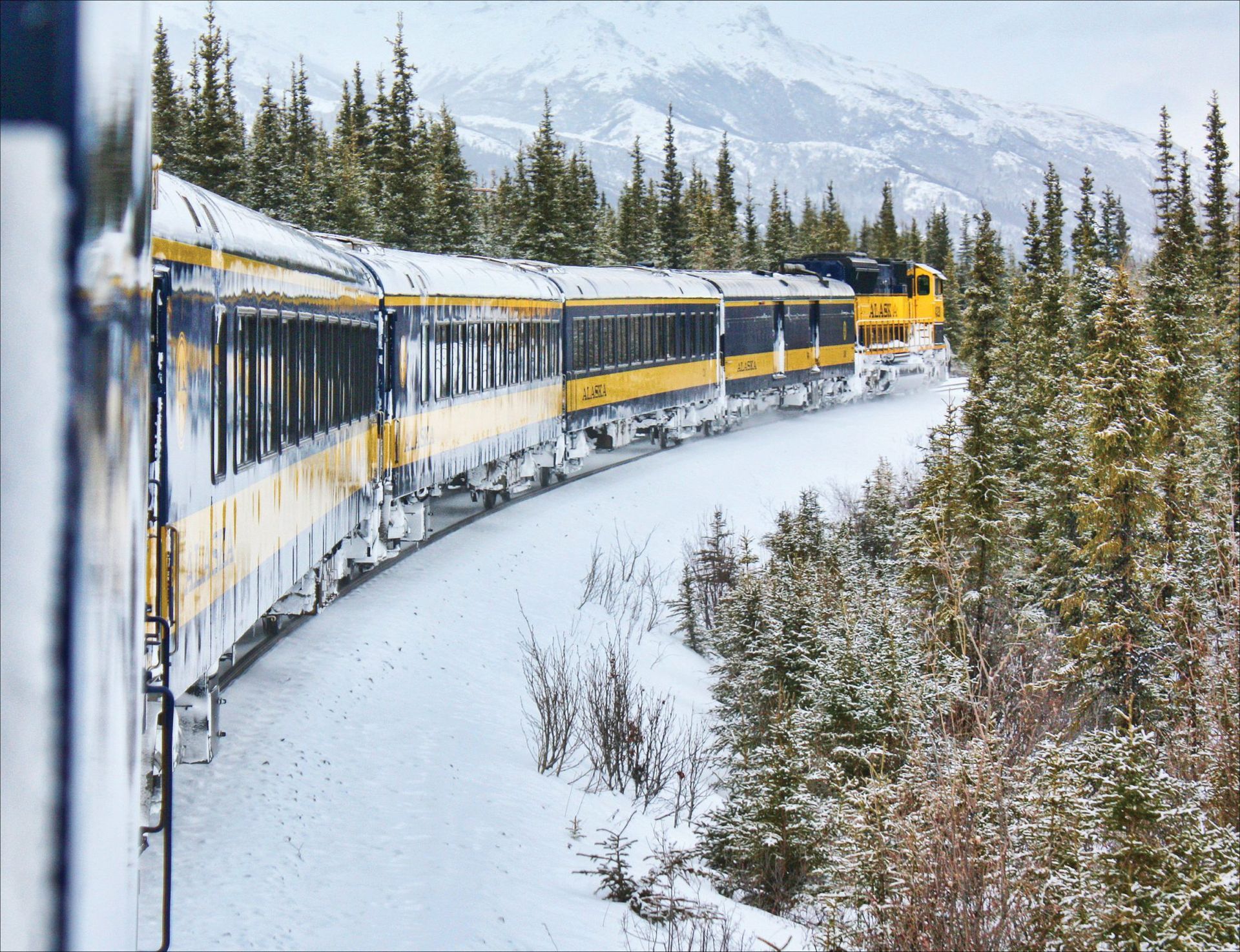
This season is all about:
- Northern Lights
- Dog Sledding
- Snowmobiling
- Ice Festivals
- Winter Adventures
Wildlife During Winter:
- Becomes harder to see.
- Moose
- Musk Ox
- Arctic Fox
- Snowshoe Hare
- Bald Eagles
So... When Is the Best Time to Visit Alaska?
After experiencing Alaska repeatedly myself, here are my recommendations:
- For first-time visitors: Late June through July
- For Wildlife: Mid July through early August
- For fewer crowds and fall colors: September
- For Northern Lights: February - March
- For Lower prices: May or September
There is no wrong answer. There is always a good time to visit Alaska. The key is choosing the timing that matches your dream.
That is when having an Alaska Specialist like me working with you to make everything match your dreams perfectly.
Because Alaska is not just a trip.
Contact me today to start planning your Alaska trip.