Cananda Wasn't Always Connected?
There is something about looking at a map that makes history seem inevitable.
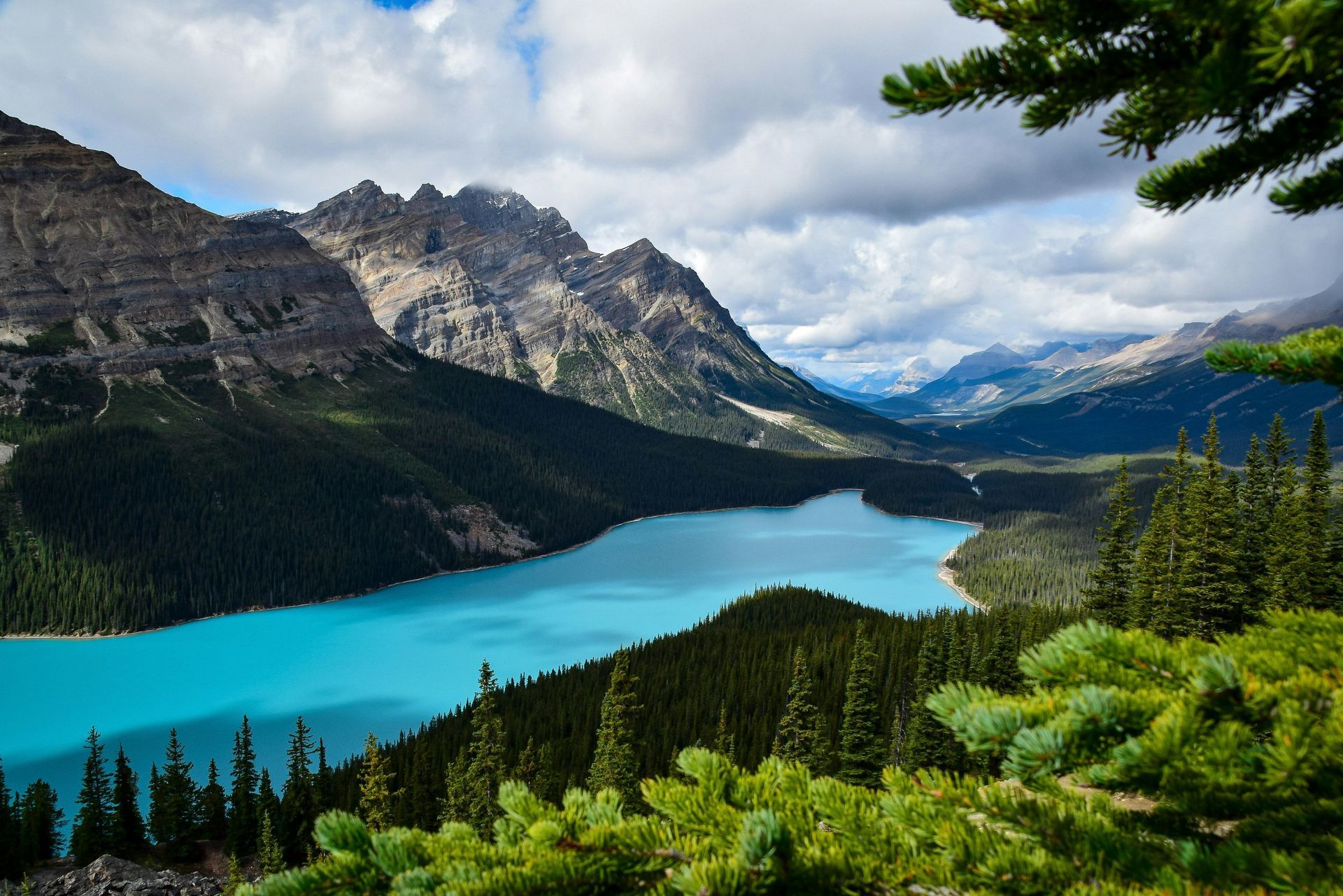
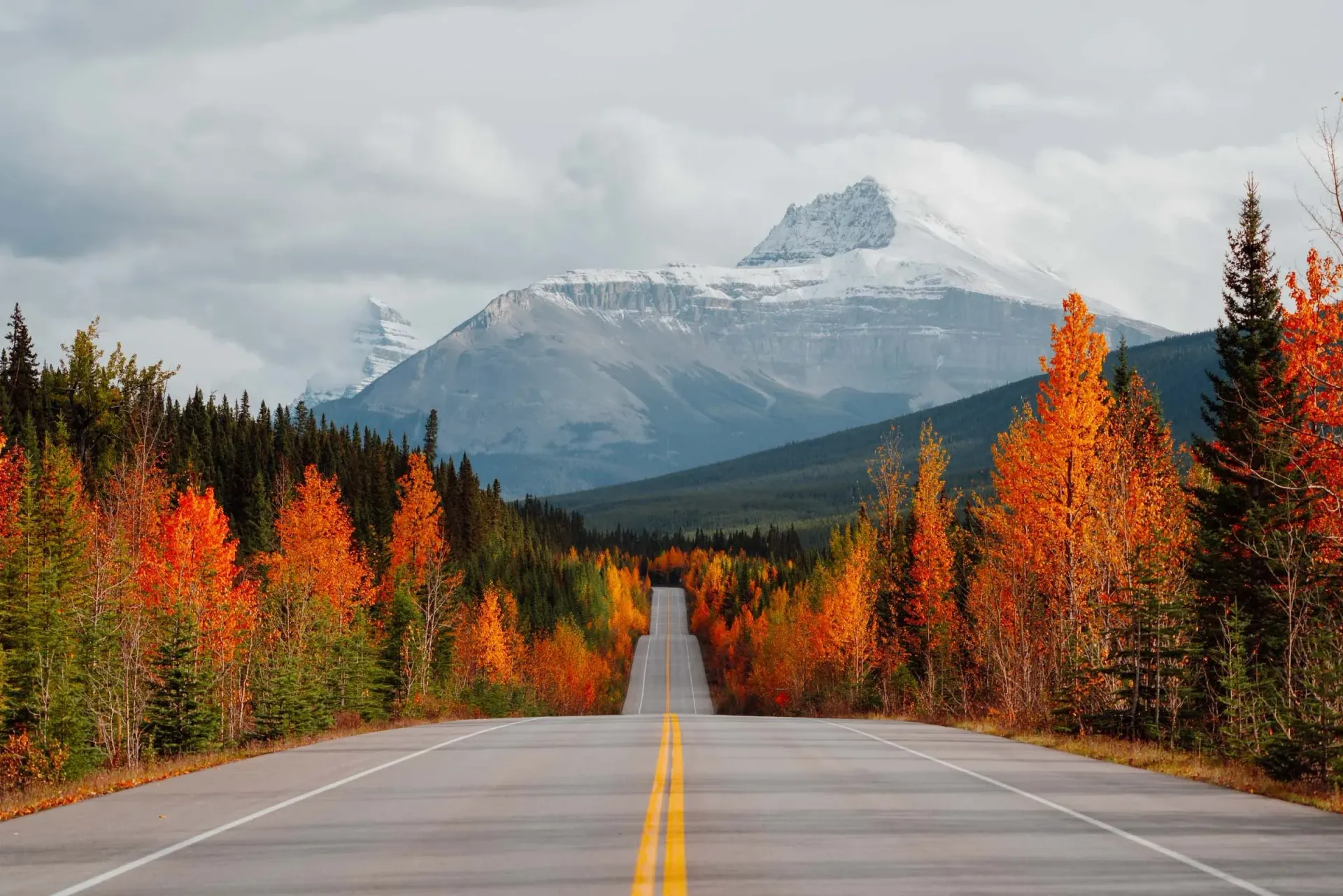
Canada stretches from the Atlantic to the Pacific. Vancouver sits on the western edge. Banff and Lake Louise rise from the Rockies. Trains cross the mountains. Roads connect cities that today feel as though they have always belonged together. But they haven't. In fact, there was a time when the idea of Canada stretching all the way to the Pacific was little more than a promise, and keeping that promise would require laying thousands of miles of steel through forests, across rivers, and eventually through a wall of mountains that seemed determined to stop them.
This week, as we begin our journey across Canada from west to east, I want to start with something we often forget when we travel. The places we visit have stories that originate long before us.
And in Western Canada, those stories start with a train.
When British Columbia joined Canada in 1871, it was separated from the country's population centers in the east by an enormous distance and some of the most difficult terrain on the continent. One of the promises that helped bring British Columbia into Confederation was that Canada would build a transcontinental railway connecting the Pacific Coast with the rest of the country. That meant building a massive railroad in a time when there were no planes, no highways, no satellite maps showing engineers where to go in an area full of forests, muskeg, rivers, and the Rocky Mountains. Construction would be difficult, expensive, and controversial. Many workers, including Chinese laborers doing dangerous work, were paid poorly and faced death, and many died.
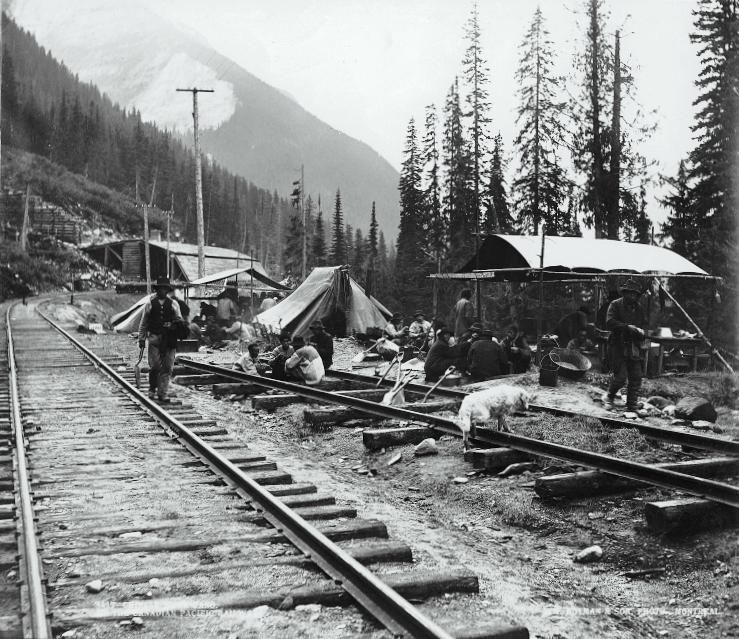
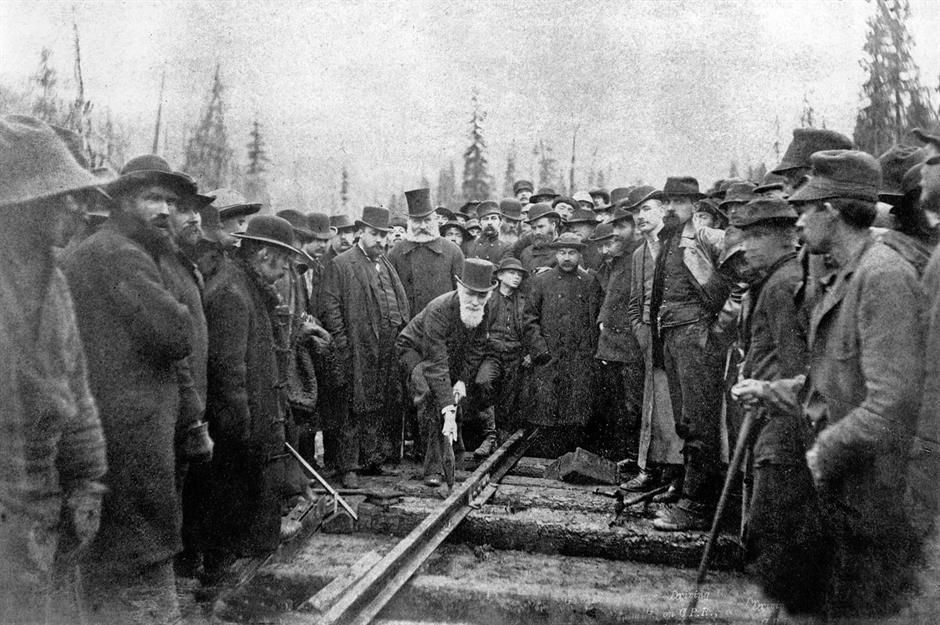
The Railway would have to cross the Canadian Rockies. But how?
November 7, 1885: The Last Spike
Now what? They had the train, and now they needed people to ride it.
The railway began promoting the Canadian Rockies themselves. Travelers who might once have considered this wilderness almost unreachable could now sit aboard a train and watch some of the most spectacular scenery on Earth pass outside their windows. And then railway workers discovered something near what is now Banff that would change Canadian tourism forever.
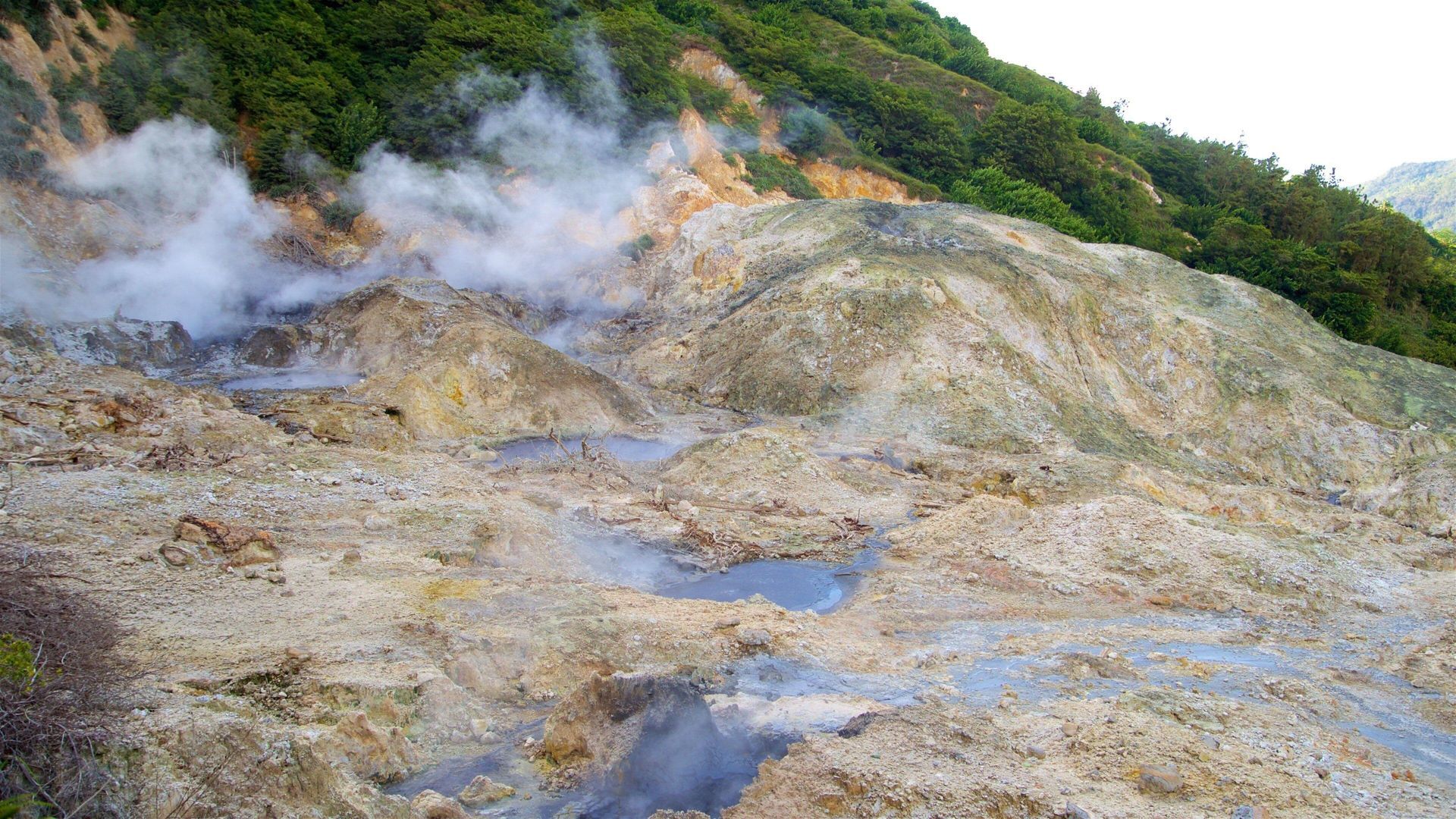
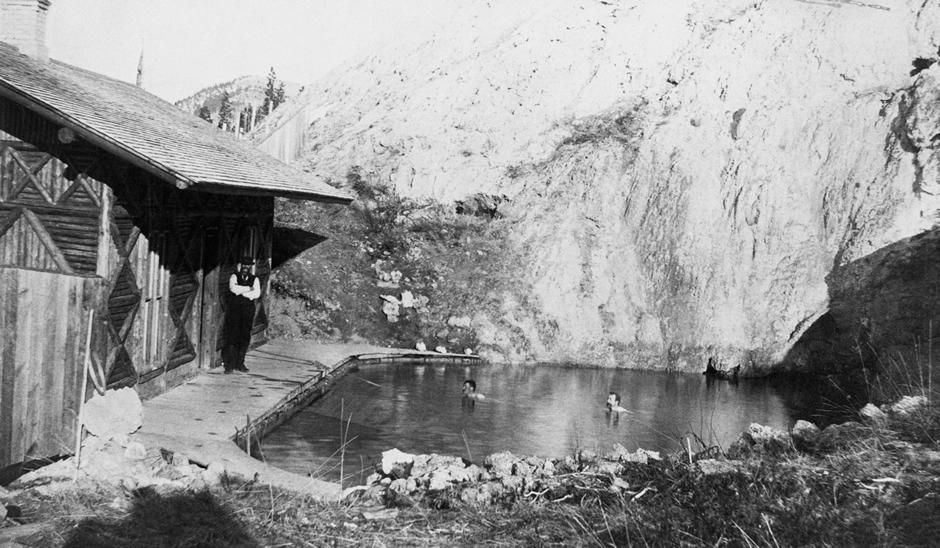
In 1883, three Canadian Pacific Railway workers encountered thermal springs on Sulfur Mountain.
They weren't the first people to know they existed. Indigenous people had known and used them for generations, but this time they saw opportunity.
Canada's First National Park
The Canadian government eventually stepped in to help settle this dispute.
In 1885, it protected approximately 26 square kilometers surrounding the Cave and Basin Hot Springs.
Two years later, the reserve was expanded, and Canada's first national park was established.
Banff.
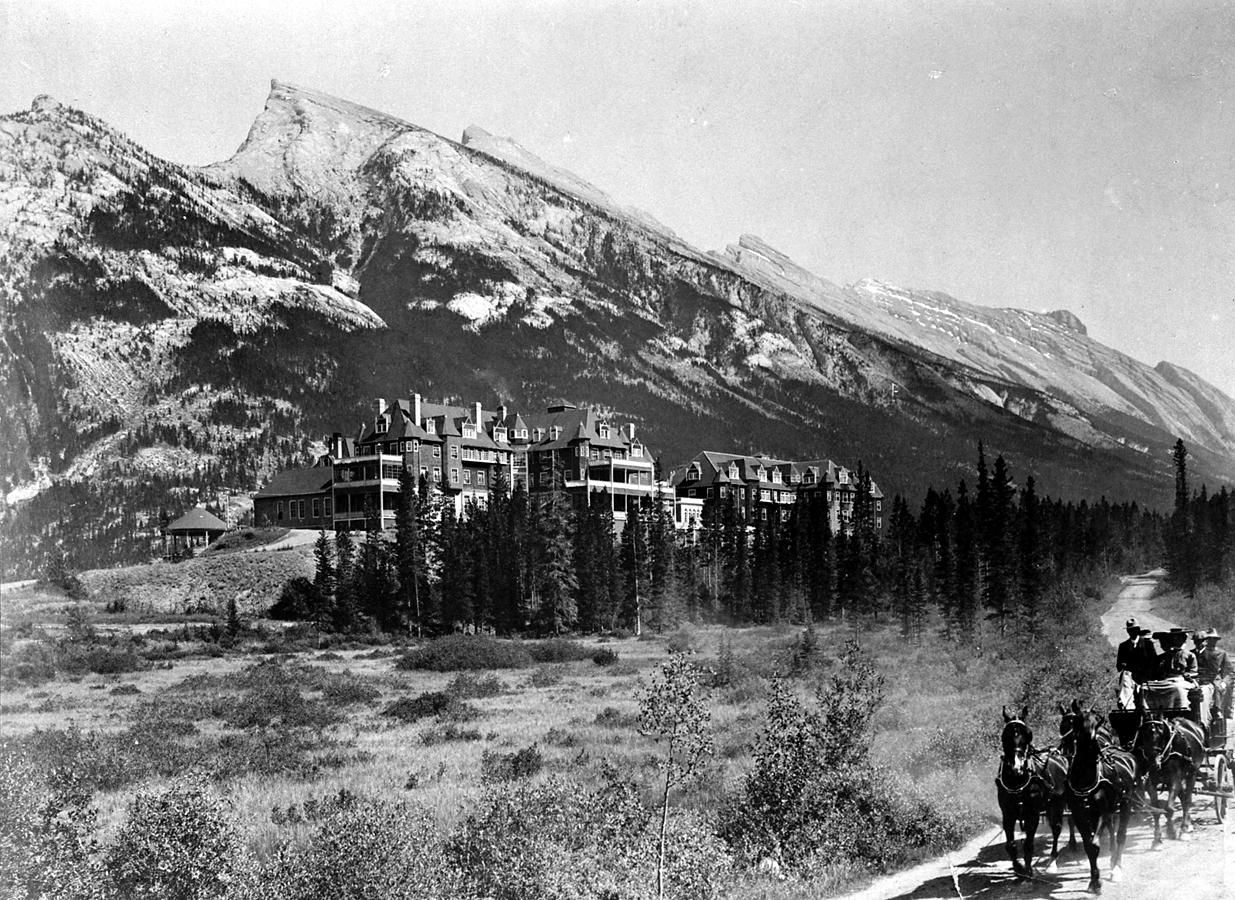
The Canadian Pacific didn't simply carry tourists into the mountains. It began creating places for them to stay. Grand hotels appeared along the route.
Eventually, there would be names that you still recognize today:
- Banff Springs
- Chateau Lake Louise
The Railway was saying:
We'll take you somewhere extraordinary, and we'll build somewhere extraordinary to stay when you get there.
These places became destinations people wanted to see, and that includes me.
Coming soon!
This begins our Canada series. But it begins differently for me. I'm going there.
I'm not going to be just writing about places. I'm going to be experiencing them.
I'll be traveling through Banff, Lake Louise, and Jasper following much of the same mountain corridor that explorers, indigenous peoples, fur traders, surveyors, and eventually tourists traveled before us. I'm not taking the train (this time).
I'll be experiencing the beautiful lakes and lodges of Emerald Lake and Lake Louise. I can promise you will get the story behind the famous Chateau. I'm going to go on a glacier adventure on the Columbia Glacier and drive the Icefield Parkway. We will go to Maligne Lake and learn exactly who Mary Schaeffer was. I will be spending time in Banff. Then I will be going to the Yoho & Kootenay National Parks; there we will see falls, canyons, and some hidden local gems. And of course, wildlife. Of course, I will be filming and writing about my journeys so that each of you can experience them with me. But more than that, I will be bringing back the stories hiding behind the mountains.
The Next Mile...
I can't imagine being one of those early surveyors standing before the Canadian Rockies. There was no track disappearing into the distance to reassure them that someone had already found the way. Only Mountains. And somewhere beyond those mountains was the destination they had been told they needed to reach. Life feels like that sometimes.
We want God to show us the entire route, the mountains, the valleys, every turn, and exactly where we're going to end up. And if you are like me, I'm always scared that I'll make the wrong turn. But usually God won't show us the whole journey. He usually gives us only enough light for the next mile. Perhaps faith isn't always knowing how we're going to cross the mountain but trusting enough to keep moving forward.
Surveyors searched for passes through mountains that seemed almost impenetrable. Crews worked through brutal winters. Bridges had to cross enormous ravines. Tracks clung to mountainsides. Avalanches were a constant danger. And in some places the grades were so steep that controlling trains became a serious problem.