The forgotten story beneath one of Canada's most beautiful drives.
While you are reading this, somewhere between Lake Louise and Jasper, I'll be driving along a road that routinely appears on lists of the most beautiful drives in the world. There will be glaciers outside the window. Turquoise lakes, waterfalls, and mountains rising so dramatically that I fully expect everyone traveling with me to get tired of hearing me say, "Oh, wow. Look." I'll have my video camera with me, and I'm going to take you along for the journey. But until I get back and you see that amazing video, let's talk about why the road is even there and who built it. The story is definitely worth telling.
Before There was a Road
Today, the Icefields Parkway stretches roughly 143 miles between Lake Louise and Jasper. It's difficult to imagine this landscape without a road running through it. But people were traveling through these mountains long before anyone imagined paving a highway here.
For generations, indigenous people moved through the valleys and mountain passes of the Canadian Rockies for hunting, trade, and travel. When European explorers and fur traders began entering the region, they relied heavily on Indigenous knowledge and followed routes that had already been traveled for generations.
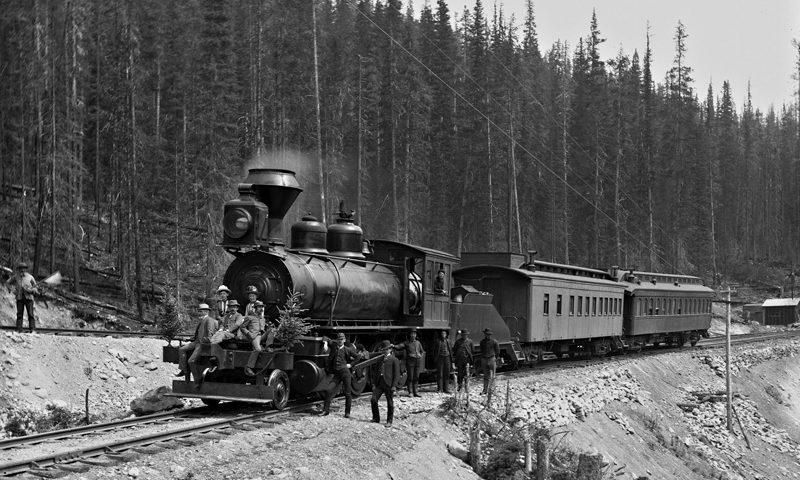
Then came the railway. By the late nineteenth century, trains were bringing visitors into the Rockies. Banff and Lake Louise were becoming destinations. Jasper would eventually become one as well. But between them remained an enormous stretch of mountain wilderness.
The Great Depression
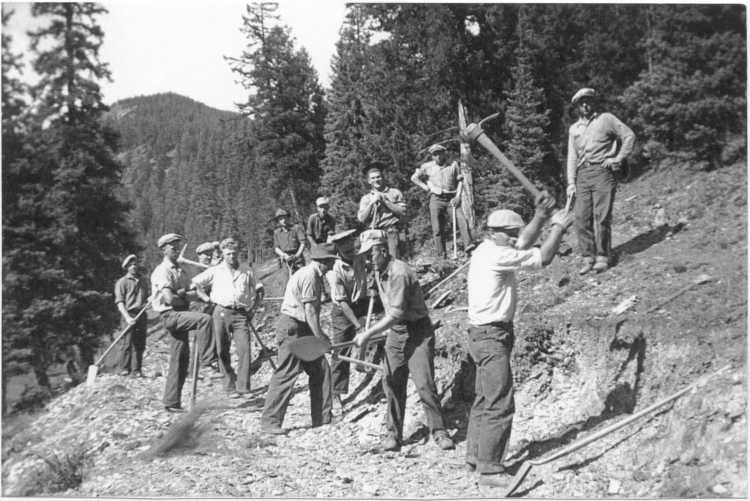
Canada began creating public projects that required enormous labor. One of them was a road through the Rockies. Construction of what would become the Icefields Parkway began in 1931 as a Depression-era public works project. Approximately 600 unemployed men were put to work building a single-lane gravel road connecting Lake Louise and Jasper.
They largely built it by hand. They weren't fleets of giant excavators carving effortlessly through the mountains. There were men, shovels, horses, Graders, Plows, and wagons carrying earth, and one small mechanized tractor in each work camp.
But sometimes the mountain won. The destinations were clear. The road was to go from Lake Louise to Jasper, but the route was not. As construction crews worked through the mountains, they sometimes encountered a hill that would require too much work to remove. Other times they encountered a depression that would require too much material to fill. So they did what was practical. They moved the road. Instead of forcing a route through the landscape, they found another way.
The railway had opened the Canadian Rockies to one kind of traveler. The highway opened them to another. Eventually, that rough Depression-era gravel became the Icefields Parkway we know today. And now we travel it for a reason those original builders probably never imagined. The drive itself is the destination.
- Stop at waterfalls
- Photograph glaciers
- Watch for bears and elk
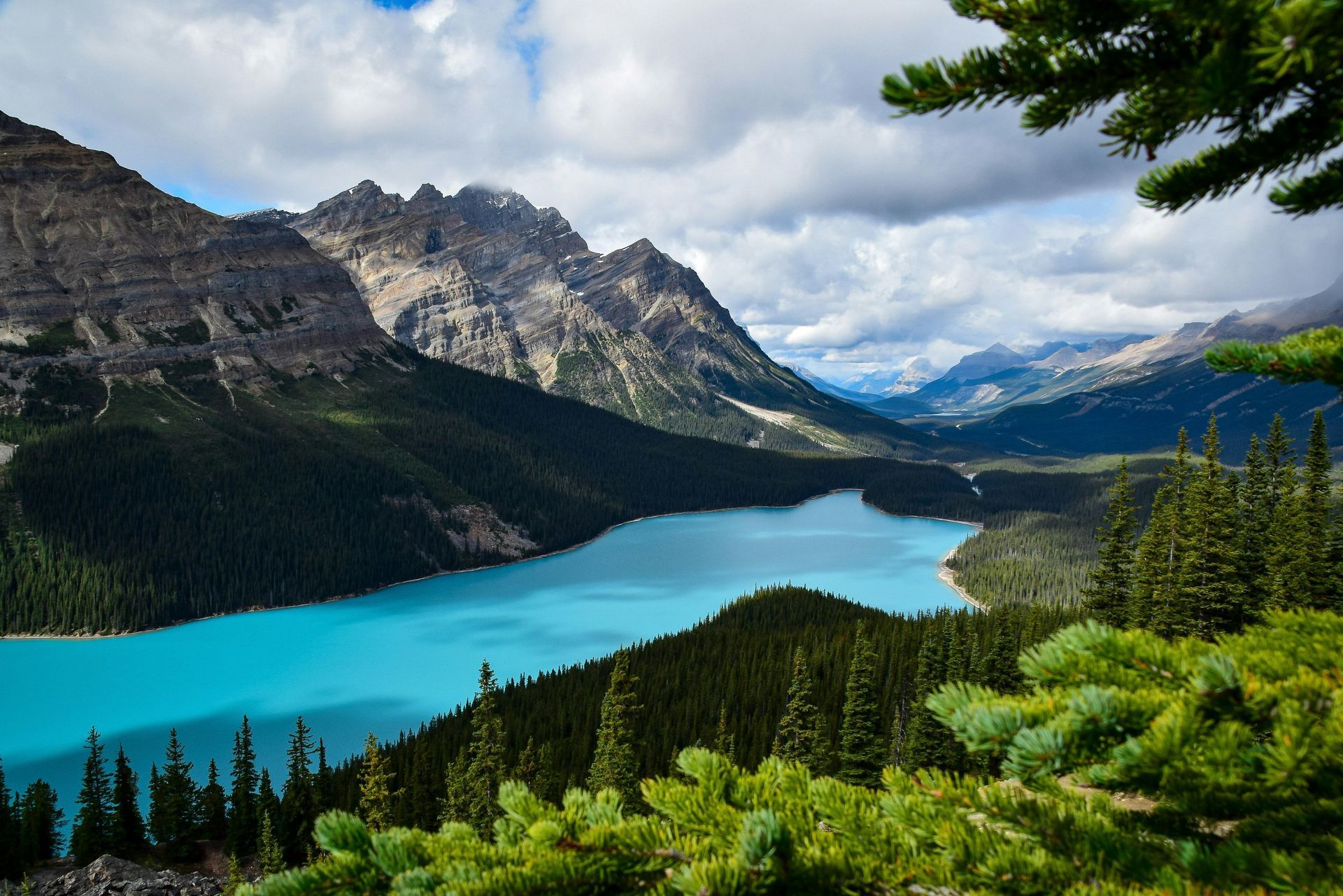
- Stand beside lakes that hardly look real
- Yell, Look at that.
Sometimes the Road Changes
In the past, I used to look at my life as a road. I knew the destination, and I also knew most of the route because I had planned it. Then 3 years later, everything in my life changed; a traumatic event not only changed the road but destroyed it. I struggled, but over the next months and years- yes, it took years, and that's okay- I began to see that my destination hadn't changed. My ultimate journey is to bring Glory to God. My ultimate destination is heaven. That never changed. The route did. And it did very unexpectedly.
Looking at the Icefields Parkway, I see the beauty that surrounds me. That is something I would never have wanted to miss. Sometimes, God knows the beauty you might miss if the detour doesn't happen. As you drive the Icefield Parkway, look at the road, remember the men who made it, remember the route along the way, and remember that God is working in ways you cannot see.