From Page to Place: The Daughter of Egypt by Marie Benedict
The forgotten Pharoah, a Young Aristocrat, and the Secrets of Ancient Egypt
Inspired by Daughter of Egypt by Marie Benedict
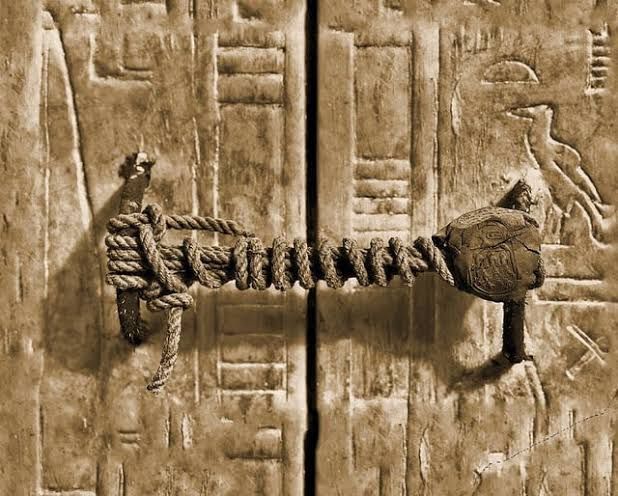
A sealed doorway, a flickering candle, A discovery that would astonish the world.
The year is 1922. Deep in Egypt's Valley of the Kings, British archaeologist Howard Carter has uncovered a staircase beneath the desert sands. At the bottom lies a sealed doorway.
For years, Carter has searched his ancient burial ground, convinced that the tomb of a little-known pharaoh named Tutankhamun remains hidden somewhere among the limestone cliffs. Now, after years of disappointment, he is standing before what may be the discovery of a lifetime.
On November 26, Carter carefully opens a small hole in a second sealed doorway and peers into the darkness by candlelight. As his eyes adjust, extraordinary objects begin to emerge from the shadows.
Golden furniture. Magnificent Statues. Strange animal-shaped couches. Objects hidden for more than three thousand years. Behind him, his patron, Lord Carnarvon, waits anxiously. When asked whether he can see anything, Carter gives the reply that will become famous worldwide. YES, WONDERFUL THINGS!
Lady Evelyn Herbert: More than an Aristocrat's Daughter.
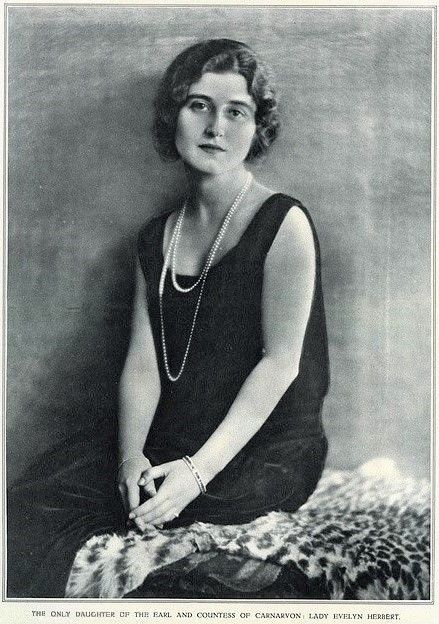
Lady Evelyn Herbert grew up surrounded by privilege. Her family home was Highclere Castle, a magnificent English estate with grand staircases, elegant drawing rooms, and an impressive collection of Egyptian antiquities. Today, millions recognize Highclere for Downton Abbey. Still, long before television cameras arrived, the castle was home to a family whose fascination with Egypt would help bring about one of archaeology's greatest discoveries.
Evelyn's father, George Herbert, the 5th Earl of Carnarvon, developed a passion for Egyptian archaeology. He financed excavations and eventually partnered with Howard Carter. Evelyn accompanied her father to Egypt and developed her own interest in the ancient civilization.
In November 1922, she traveled to Luxor after Carter announced he had discovered a promising tomb entrance. She was among the small group present during the extraordinary early exploration of Tutankhamun's tomb. While the world would come to celebrate Carter and Carnarvon, Evelyn had witnessed something few people in history would ever experience. She had entered a royal Egyptian tomb that had remained largely undisturbed for more than 3,000 years.
Marie Benedict's novel "Daughter of Egypt" brings Evelyn's story to life, blending historical events with an imagined quest to uncover the mysteries of another remarkable woman.
Hatshepsut: The Woman
Who Became a Pharaoh
More than 3,000 years before Lady Evelyn entered Tutankhamun's tomb, a woman ruled one of the most powerful kingdoms in the ancient world. Her name was Hatshepsut.
Born into Egypt's 18th Dynasty, she was the daughter of Pharaoh Thutmose I. She married her half-brother, Thutmose II, and became queen. When he died, the throne passed to his young son, Thutmose III. Because the new king was still a child, Hatshepsut initially governed as regent. But she did something extraordinary.
She assumed the full authority and titles of a pharaoh. Egypt had known powerful royal women before, but Hatshepsut's reign was exceptional. She commissioned monumental building projects, expanded temples, and organized an important trading expedition to the distant land of Punt. Her ships returned carrying valuable goods, including incense, ebony, and exotic plants.
Her reign left an extraordinary architectural legacy. Yet after her death, many of her images and inscriptions were deliberately altered or destroyed. Her name disappeared from some royal records. Statues were damaged. Other rulers' names replaced hers on certain monuments. The woman who had ruled Egypt had almost vanished from its story.
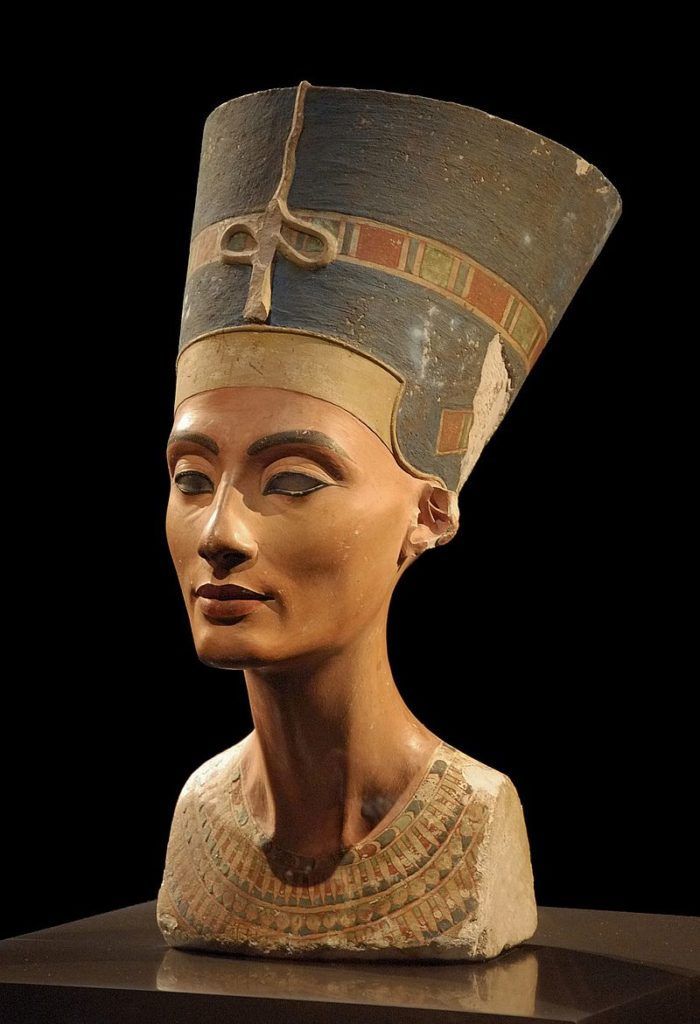
And this is where "Daughter of Egypt" becomes so captivating. Marie Benedict brings together two women separated by thousands of years. One witnessed the discovery of a nearly forgotten king. The other was a powerful ruler whose own legacy had been deliberately diminished.
Through alternating timelines and fictionalized events, the novel explores ambition, courage, discovery, and the determination to be remembered. And today those people are remembered, and those sites can be visited. So follow me from Page to Place on this 6-day "Daughter of Egypt" Adventure.
Your 6-day Adventure of Egypt
List of Services
-
Day 1: You've Arrived in the Land of Pharoahs!List Item 1
The doors of Cairo International Airport open, and Egypt's warmth greets you.
You're Here!
As your driver takes you toward your hotel, Cairo unfolds outside your window. Traffic moves through busy streets. Vendors arrange their goods along sidewalks. Beautiful mosque minarets rise above the buildings. Everywhere you look, modern life exists alongside thousands of years of history.
Then you catch your first glimpse of the Nie. The same river that sustained the civilization of the pharaohs still flows through Egypt's heart. For thousands of years, its waters have carried boats, nourished fields, and connected communities. And now you're standing beside it.
After settling into your hotel, you head out for your first Egyptian dinner. Freshly baked bread arrives at your table, accompanied by fragrant rice, grilled meats, and traditional dishes seasoned with herbs and spices.
Outside, the lights of Cairo begin to shimmer across the river. You sit back and take it all in. You're no longer reading about Egypt; you are experiencing Egypt.
-
Day 2: Standing Before the Pyramids and the Treasure of Tutankhamun.List Item 2
The morning sun rises over Cairo as you set out for the Giza Plateau. Your guide begins explaining the history of the ancient EZgyptians, but as your vehicle approaches the pyramids. Then you see them. The Great Pyramids of Giza. They rise above the desert, enormous monuments built more than 4,500 years ago.
You step out of the vehicle, and the warm desert air surrounds you. The Great Pyramid towers overhead. Its massive limsetone blocks stretch upward toward the sky, each one placed by workers who lived thousands of years before modern machinery existed. You walk closer.
The individual stones are enormous. From a distance, the pyramid appears almost perfectly smooth in its triangular shape. Up close you see the individual courses of stone and begin to understand the astonishing scale of the construction. Your guide explains how Pharoah Khufu commissioned the Great Pyramid as his royal tomb.
When Hatshepsut ruled Egypt, these pyarmids were already about a thousand years old.
You Continues across the plateau toward the Great Sphinx. Its enormous lion's body and human head have watched over this landsape for millenia.
Next you're heading to the Grand Egyptian Museusm. Inside this magnificent museum, ancient Egypt comes alive through extraordinary works of art, monumental statues, and priceless archeological treasure.
Then you reach the galleries dedicated to Tutanhamun. Suddenly, you're standing before the very objects that were hidden inside his tomb for more than 3,000 years. These are the treasure Howard Carter and Lady Evelyn Herbert brought to the world's attention.
-
Day 3: Luxor: Walking Through The World of the PharoahsList Item 3
This morning, you're leaving Cairo behind and traveling south to Luxor.
Your journey brings you to the ancient city of Thebes, once one of Egypt's most important religious and political centers. As you arrive, the landscape changes. The Nile winds between fertile green fields, while desert mountains rise beyond the river. Palm trees sway along the banks. Traditional boats glide across the water. And everywhere, ancient monuments remind you that this was once the heart of a mighty civilization.
Your first great adventure in Luxor is Karnak Temple. Statues stand watch along ancient processional routes. Massive walls are covered with hieroglyphics.
Then you enter the Great Hypostyle Hall. Before you rises a forest of enormous stone columns. There are 134 of them. Some tower more than 60 feet high. The capitals spread outward like enormous stone flowers, and carvings cover the columns, surviving for thousands of years. You see an obelisk commissioned by Hatshepsut. It rises high above the surrounding temple ruins. More than 3,000 years ago, Hatshepsut ordered this enormous monument to be erected in honor of the god Amun.
Later, you return to the Nile, where the evening light turns the river golden.
-
Day 4: The Temple of the Forgotten PharoahList Item 4
Your morning begins with a journey across the Nile to Luxor's West Bank. The landscape becomes increasingly dramatic as you approach the desert mountains. Green fields give way to pale limestone cliffs. The road winds through a landscape sacred for thousands of years.
Your stop: The Mortuary Temple of Hatshepsut. Before you, three magnificent terraces rise toward enormous limestone cliffs. Long rows of columns stretch across the temple's facade. Grand ramps connect the different levels. The entire structure appears to grow out of the mountains themselves. Your guide points out areas where royal images and inscriptions were altered or destroyed—the attempts to diminish Hatshepsut's memory.
Later, your adventure continues with other remarkable monuments of Luxor's West Bank. You stop before the Colossi of Memnon, two enormous seated statues of Pharaoh Amenhotep III. They have stood in the landscape for more than 3,000 years.
-
Day 5: Entering the Valley of the Kings
You've arrived in the Valley of the Kings. For centuries, Egypt's New Kingdom pharaohs were buried in elaborate underground tombs carved deep into these mountains. Their burial chambers were decorated with religious texts and beautiful scenes intended to guide them into the afterlife. Many were filled with treasures.
You descend into the royal tombs. You see the Brilliant blues, yellows, reds, and greens that decorate the ancient stone.
Then you come to the tomb of Tutankhamun. The tomb is surprisingly modest compared with some of the grander royal tombs in the valley. But think about the treasures found here. Think about Howard Carter and Lady Evelyn Herbert, and the excitement they felt when they opened the sealed door.
As the day ends, your boat glides gently across the river. You think about the story in "Daughter of Egypt" and the sites you've seen over the past few days. And revel in the remarkable story you are blessed to have seen.
-
Day 6: The Nile and One Last Chapter
Morning arrives over Luxor. You enjoy breakfast as you watch the boats glide along the Nile. It's your final morning in Egypt. Your suitcase is packed, but your mind is filled with everything you've experienced.
You realized something has changed. When you first opened "Daughter of Egypt," Lady Evelyn Herbert and Hatshepsut were just historical figures. Now they have become real. You have walked in their footsteps.
But you still have one last thing to do before you leave. Find a bookstore. Peruse the stories and find your next great adventure. Then let me know where your next From Page to Place itinerary will take you.
At Dream Shaper Journeys, I help turn the destinations you've dreamed about into real adventures, carefully planned around your interests and travel style. And I do not charge planning fees.
So don't let Egypt remain a destination you only read about. The pyramids are waiting. The temples are standing. The Nile is flowing, and the Valley of the Kings still holds stories of an extraordinary civilization, and it's waiting for you to experience them for yourself.
Let's start planning your Egyptian Adventure today!