How a Group of Determined Women Saved George Washington's Mount Vernon!
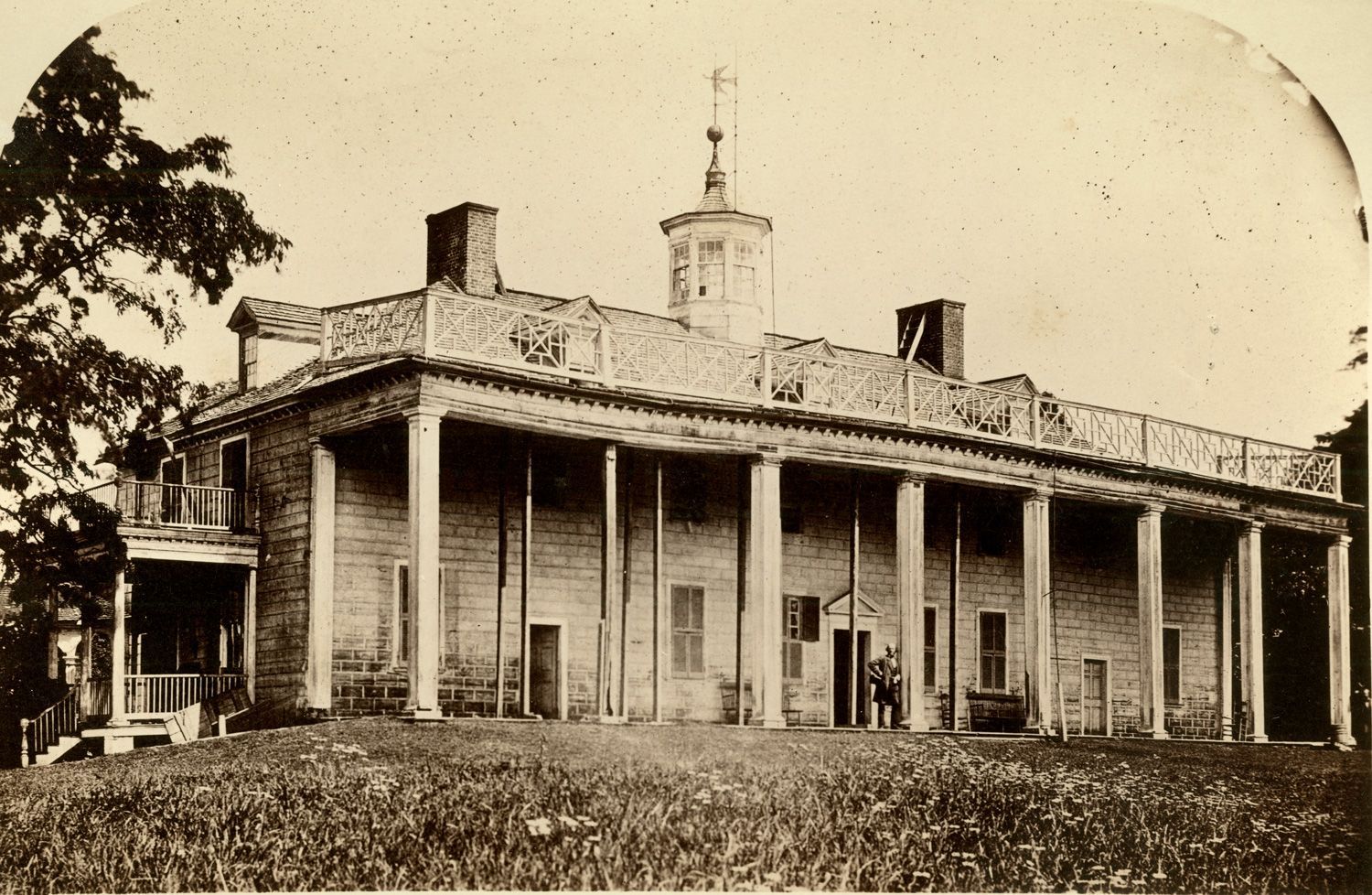
From the Potomac River, the mansion must have looked almost forgotten. The paint was fading. The grounds were neglected. Pieces of George Washington's beloved estate had been sold away.
Visitors arrived by steamboat, eager to walk through the home of America's first president, but the growing crowds only added to the damage.
Mount Vernon was slowly disappearing. And almost no one seemed willing or able to stop it.
That is hard to imagine today.
When we picture Mount Vernon, we see the long white piazza overlooking the Potomac River. We picture the cupola rising above the roof, the formal gardens, Washington's tomb, and rooms carefully preserved to look as they did in 1799. It feels permanent. But it wasn't. There was a time when America came remarkably close to losing George Washington's home forever.
What Happened?
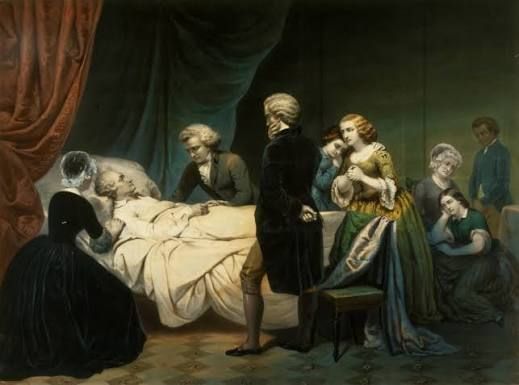
George Washington spent decades transforming Mount Vernon from a modest family house into the 21-room mansion that we visit today. The original house, built by his father in 1734, had undergone various renovations. The roof was raised, and wings, a piazza, and a cupola were added, giving it the shape we see today.
But after Washington died in 1799, the property passed through several generations of the family. The estate was expensive to maintain. Virginia agriculture was struggling. The acreage shrank dramatically.
Tourists began arriving to visit the house in increasing numbers. These visitors helped bring money, but they also brought wear and tear to the house and grounds.
By 1850, The House was in Serious Trouble!
The current owner, John Augustine Washington III, made the hard decision it must be sold. He tried selling to....
Federal Government
State of Virginia
But the home of our first president, George Washington, was not wanted by either the state or the federal government.
In 1853, Louisa Bird Cunningham was traveling along the Potomac River when she saw the neglected estate. What she saw disturbed her deeply.
She later wrote to her daughter, Ann Pamela Cunningham, wondering why the women of America did not save Washington's home if the men would not.
Her words became a challenge.
Ann Pamela Cunningham accepted it.
She began calling upon women throughout the country to help purchase Mount Vernon, not for themselves, but for the nation.
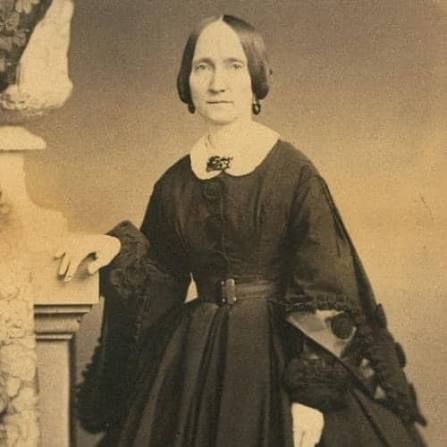
Mount Vernon Ladies' Association
In the 1850's
- Women could not vote.
- They held little formal political power
- Were expected to sit by and let the men handle things
But that didn't stop them. They
- Organized the Association
- Wrote letters
- Formed Chapters
- Appealed in both the North and South
- Held fundraisers and donations
By 1858, the Mount Vernon Ladies Association had raised enough to purchase the mansions, its outbuildings, and approximately 200 acres for $200,000. The purchase was complete in 1860.
But then came the Civil War....
The women acquired Mount Vernon just as the United States was tearing itself apart. Within months, the Civil War began. Armies moved across Virginia. Fighting reached the region surrounding Washington, D.C. The Potomac became a dividing line between North and South. Mount Vernon Stood in the middle of it all.
The association had members from across the country, including women whose states now stood on opposite sides of the war. Yet Mount Vernon was treated as neutral ground. The estate belonged neither to the Union nor the Confederacy. It belonged to the memory of George Washington and to the nation he helped create. Soldiers from both sides reportedly respected the site.
Weapons were not carried openly through the grounds. Men who might have faced one another in battle could stand beneath the same trees and remember a leader who had once held thirteen divided colonies together.
At a time when America could agree on almost nothing, Mount Vernon remained one place both sides understood was worth protecting. The Mansion survived the war. And so did the women's mission
After the War....
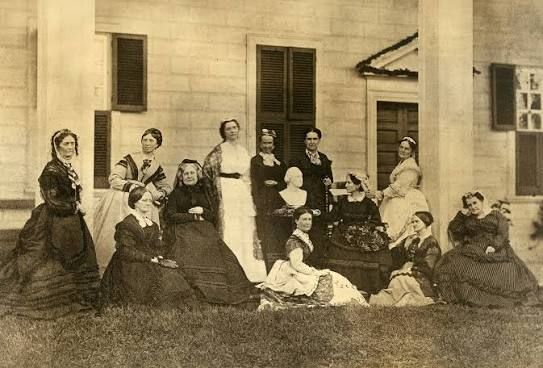
When the Mount Vernon Ladies' Association took possession, the mansion was nearly empty and badly deteriorated. Saving it meant far more than purchasing the property. The women had to restore the structure. Repair the rooms. Find furnishing connected to the Washington family or locate appropriate period pieces. Study documents, paintings and inventories to determine how the house once looked. Then they had to keep doing it. Year after year. Generation after generation.
And it Continues.....
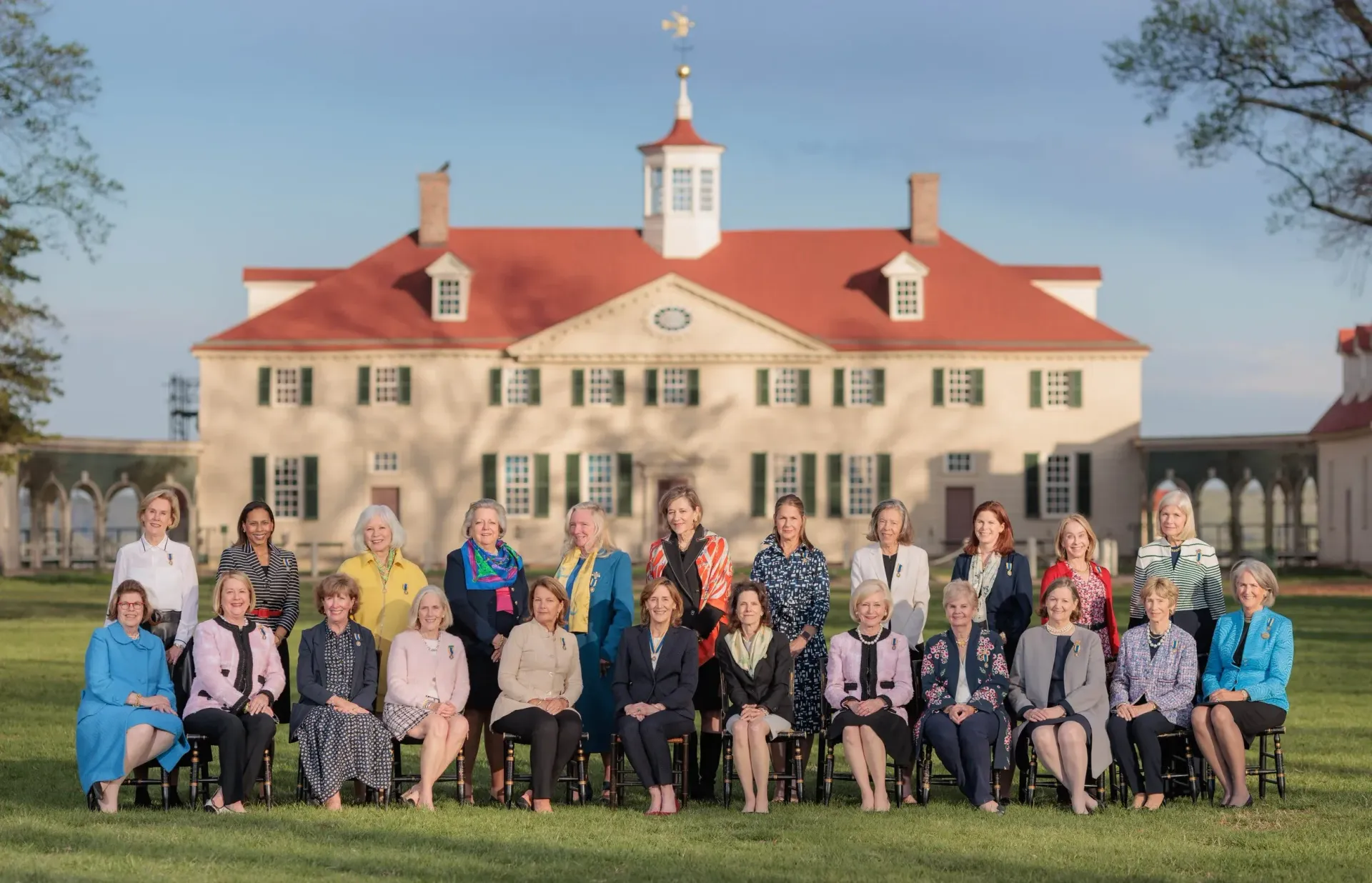
The Association continues to own and care for Mount Vernon today.
In December 2025, the mansion underwent a $40 million restoration designed to stabilize the structure, preserve the original 18th-century materials, and prepare the house for future generations.
During this time, they made new finds that might have been associated with Washington himself. They found hidden bottles containing preserved cherries and berries, and even an 18th-century fork concealed behind a wall near Martha Washington's Closet.
Most people visit Mount Vernon to see George Washington's home. That is reason enough. But once you know the survival story, you begin seeing the estate differently. The Mansion is no longer simply an old house. It is a house America almost lost. The piazza overlooking the Potomac is not still there by accident. The rooms did not simply remain frozen in time. The gardens, tomb, outbuilding, and furnishing survived because generations of people decided they mattered. When you walk through Mount Vernon, you are seeing Washington's world but also seeing one of the earliest and most important victories of historic preservation in America.
And it began with a woman looking from the deck of a boat and refusing to accept what she saw.
How can you experience the House?
When you visit, begin with the mansion tour, but don't let that be the whole day. Stand on the piazza and look across the Potomac. Then imagine Louisa Cunningham seeing that same house from the river when it was crumbling and neglected. Walk through the rooms and notice the details: the woodwork, painted surfaces, furnishing, and the uneven floor. Those things survived because someone fought for them.
Visit the museum and education center so you can understand Washington as a general, president, farmer, husband, and enslaver. Yes, he enslaved people too. Walk to Washington's tomb. Explore the gardens and the working areas of the estate. And give yourself time.
I keep thinking about the fact that the government did not save Mount Vernon. That makes me sad. But the fact that ordinary citizens did changes that for me. Women who could not vote decided that they could still shape the future. They refused to believe they were powerless. They saw something valubable being lost and asked:
What can We Do?
Then they did it. That reminds me of how God so often works. We may not have the authority, money, or influence we think a task requires. But sometimes God does not ask us to have everything figured out. He asks us to notice. To care. And to take the first faithful step.
Ann Pamela Cunningham could not restore Mount Vernon by herself. But she could write a letter. She could organize with another woman. She could ask for a donation. Then another. And eventually, those small acts saved a national treasure.
When you stand before Mount Vernon today, it looks strong. Permanent. Almost untouched by time. But now you know better. It survived neglect. Financial hardship. Tourist damage. Government refusal. Civil war. And more than 160 years of constant preservation. The house survived because people chose not to let it disappear. Maybe that is the history visitors most need to know. George Washington built Mount Vernon into the home he loved. But determined women saved it for the rest of us.
And once you know their story, walking through those doors feels completely different.