Skagway, a town that will grab hold of your heart and never let go.
When you walk its streets and learn its history, you begin to realize that the people who came here were a different breed altogether. They were strong, resilient, and brave. They endured hardships that most of us can barely imagine.

Before 1898, Skagway was little more than a quiet settlement. Only a handful of people called it home. Nestled between towering mountains and the waters of the Inside Passage, it was peaceful and largely unknown to the rest of the world.
Then everything changed!
In the summer of 1897, word began to spread that there was gold in the Klondike.
Almost overnight, thousands of men, and a few determined women, became convinced that fortune was waiting for them in the Yukon.

By 1898, Skagway had exploded into a bustling boomtown of nearly 10,000 residents, briefly becoming the largest city in Alaska.
They came chasing gold.
What they didn't realize was that before they could find gold, they would have to survive one of the most difficult journeys in North American history in one of the most desolate places on earth.
For some, it would mean everything. For others, it would cost them their lives.
The adventure began long before they reached Skagway. Prospectors crowded on to steamships departing from Seattle and San Francisco. There weren't enough ships to meet the demand, and those that sailed were often packed beyond capacity. Conditions were miserable. Yet every passenger believed that wealth waited at the journey and it would be worth it all.
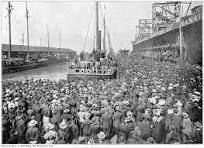
Arrival At Skagway
Many had spent everything they had just getting there. Their plan was simple:
List of Services
-
Travel Light Write a description for this list item and include information that will interest site visitors. For example, you may want to describe a team member's experience, what makes a product special, or a unique service that you offer.List Item 1
-
Find Gold Quickly Write a description for this list item and include information that will interest site visitors. For example, you may want to describe a team member's experience, what makes a product special, or a unique service that you offer.List Item 2
-
Become Rich Write a description for this list item and include information that will interest site visitors. For example, you may want to describe a team member's experience, what makes a product special, or a unique service that you offer.List Item 3
Reality had other ideas.
Upon arriving, they learned about the Canadian government's One-Ton Supply Rule.
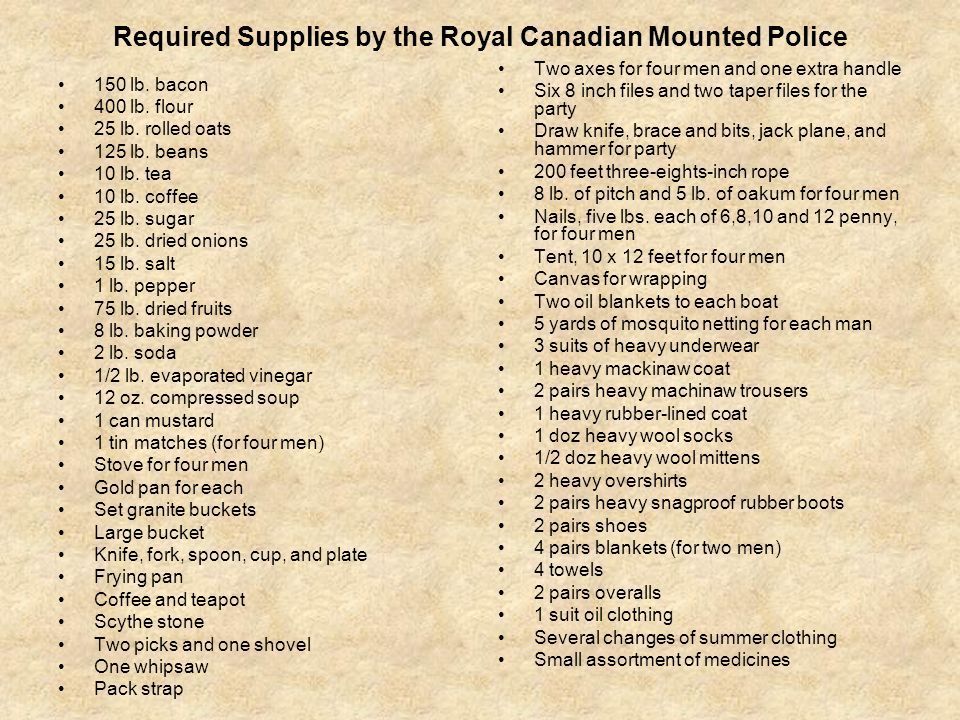
The Canadian Mounted Police understood the wilderness these prospectors were about to enter. They knew the brutal winters, the isolation, and the dangers awaiting them. They also knew that most of the newcomers had absolutely no idea what they were getting themselves into. And they didn't want to be responsible for that.
Before anyone could cross into Canada and continue toward the gold fields, they had to prove they carried enough food and supplies to survive for an entire year.
That meant transporting roughly 1,000-2,000 lbs. of food and equipment over the mountains without a horse, sled, or wagon. The only thing they had was brute force. Those who tried the horse quickly realized that the animals were no match for the trail ahead.
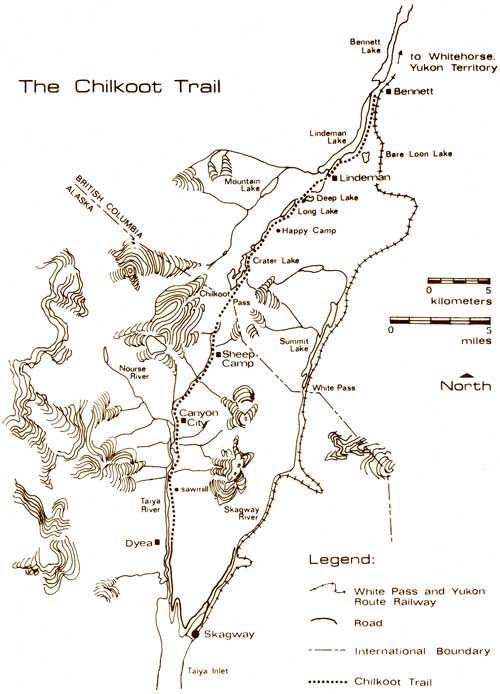
The route over the Chilkoot Pass stretched approximately 35 miles. A strong man could carry only 50 to 65 pounds at a time. To move a full year's worth of supplies, prospectors had to carry a load to the summit, leave it there, climb back down, retrieve another load, and repeat the process.
Some made the trip more than 30 times.
Imagine climbing a mountain carrying sixty pounds on your back.
Now imagine doing it over and over for weeks.
That's the reality of the Gold Rush.
The final challenge was the most infamous part of the journey.
The summit: The pass rises to 3,525 feet above sea level. The final half-mile gains nearly 1,000 feet in elevation. It was so steep that horses couldn't climb it. But some were determined to make them try. Thousands of animals died from exhaustion, starvation, and injury along nearby routes, giving rise to the haunting name, "Dead Horse Trail."
How did the They get to the Top?
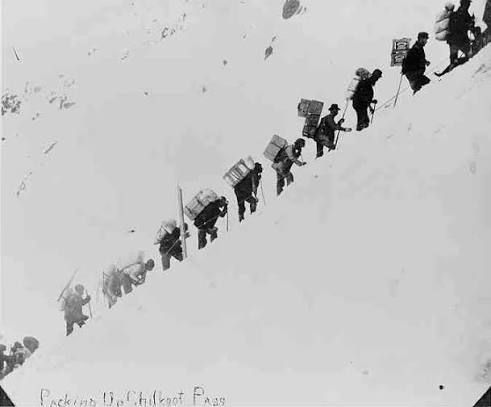
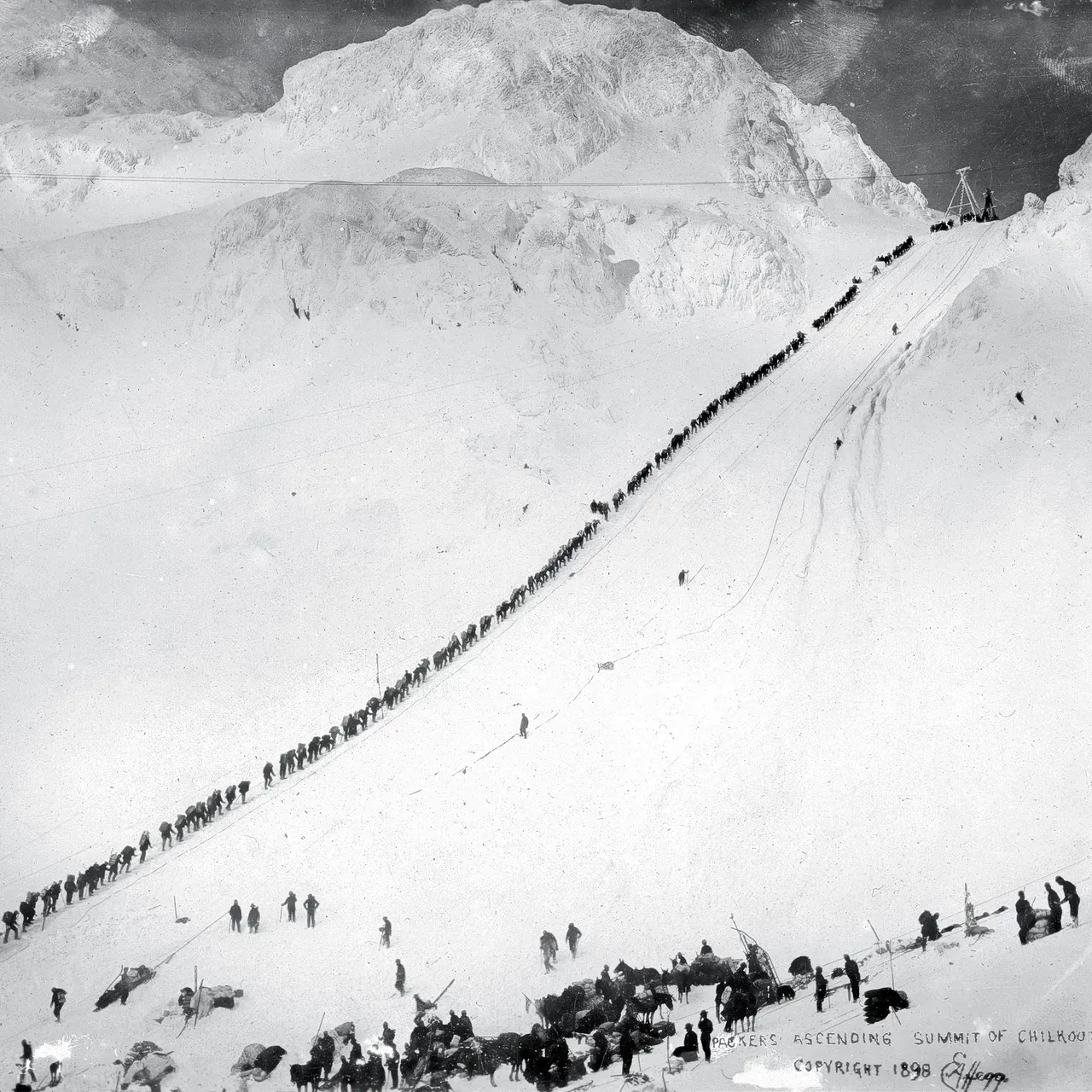
They carved "The Golden Stairs."
They carved approximately 1,500 steps directly into the ice and snow and climbed each step.
Men climbed them single file, one behind another, carrying heavy packs on their backs. The line often stretched for miles. If you stepped out of line to rest, it could take hours to rejoin the procession.
And after finally reaching the summit?
You had to go back down and do it all over again. Not one, not twice but at least 30 times. Get that stair master out now and start training....
Only after conquering the Golden Stairs could they finally begin the next stage of their journey toward the gold fields. And believe it or not, the adventure was still far from over. But that's a story for another day.
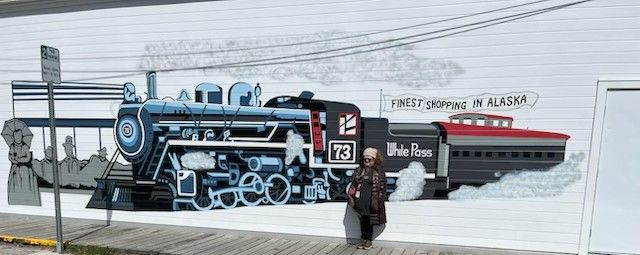
Whenever I visit Skagway, I find myself asking a simple question:
Would I have been willing to work that hard for the chance of gold?
I'm honestly not sure.
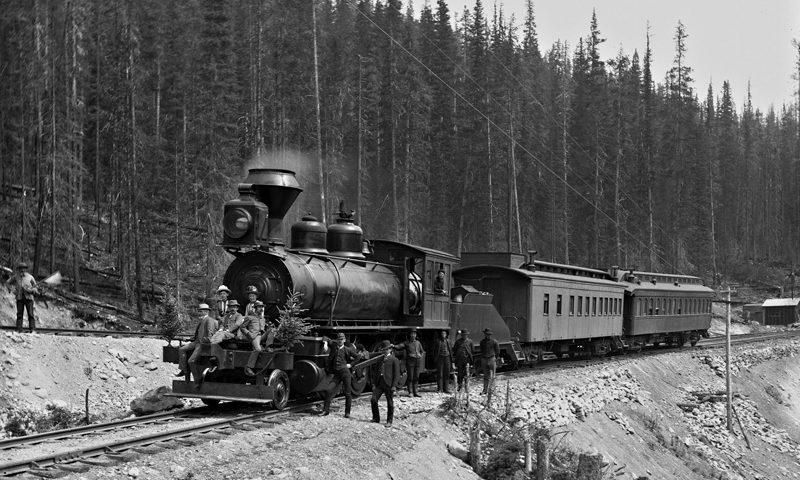
Later in 1898, it became clear that a better route was needed. Construction began on what would become one of the greatest accomplishmenets of times. The White Pass & Yukon Route Railroad.
Today, that same narrow-gauge railroad is still operating, which means you can experience part of this incredible journey for yourself.
As the train climbs through the mountains, you'll cross bridges suspended above deep gorges, pass waterfalls tumbling down rocky cliffs, and often see patches of snow even during the summer months.
You'll travel in comfort where thousands once struggled on foot.
You'll look down into the valley known as Dead Horse Trail and imagine the end of the line of prospectors carrying their year's worth of supplies up the mountain.
You'll see the same rugged landscape they saw. The same peaks. The same cliffs. The same unforgiving wilderness.
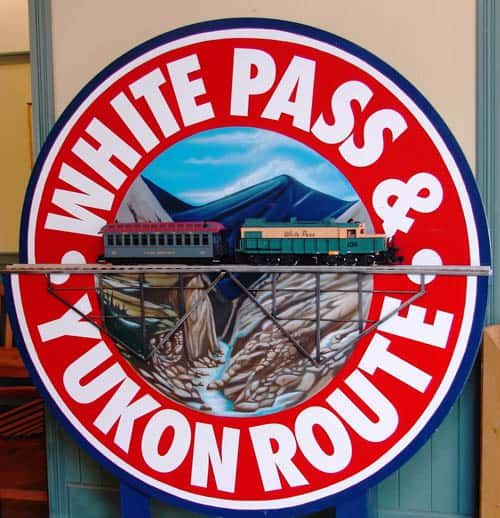
And as you sit comfortably in your railcar, watching the breathtaking scenery unfold outside your window, take a moment to remember the people who came before you.
The men and women who sacrificed comfort, safety, and sometimes even their lives for a small chance at gold.
Because in Skagway, the gold rush isn't just history. It's a story of courage—a story of determination.
And a reminder of what ordinary people are capable of when they are willing to chase an extraordinary dream.