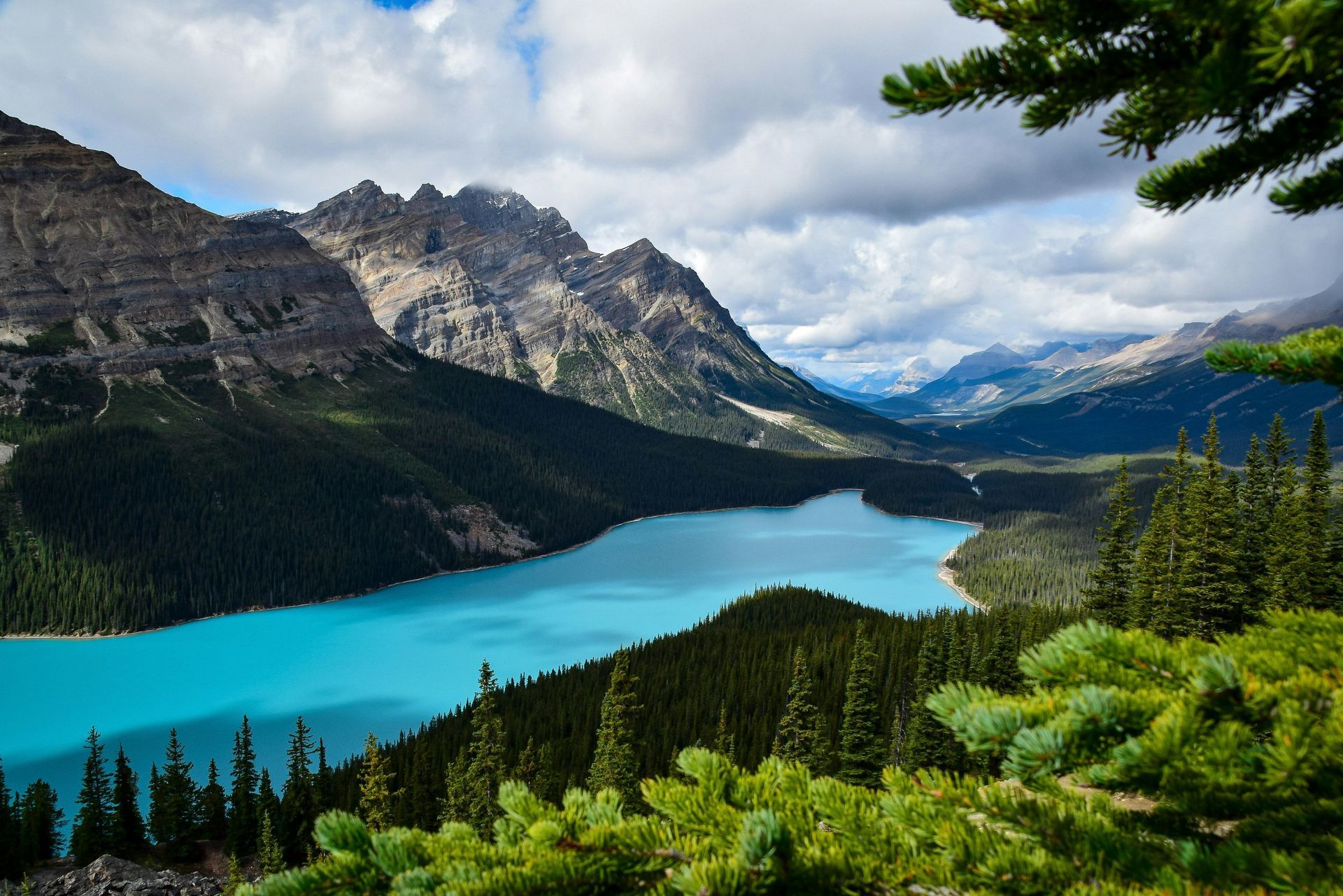
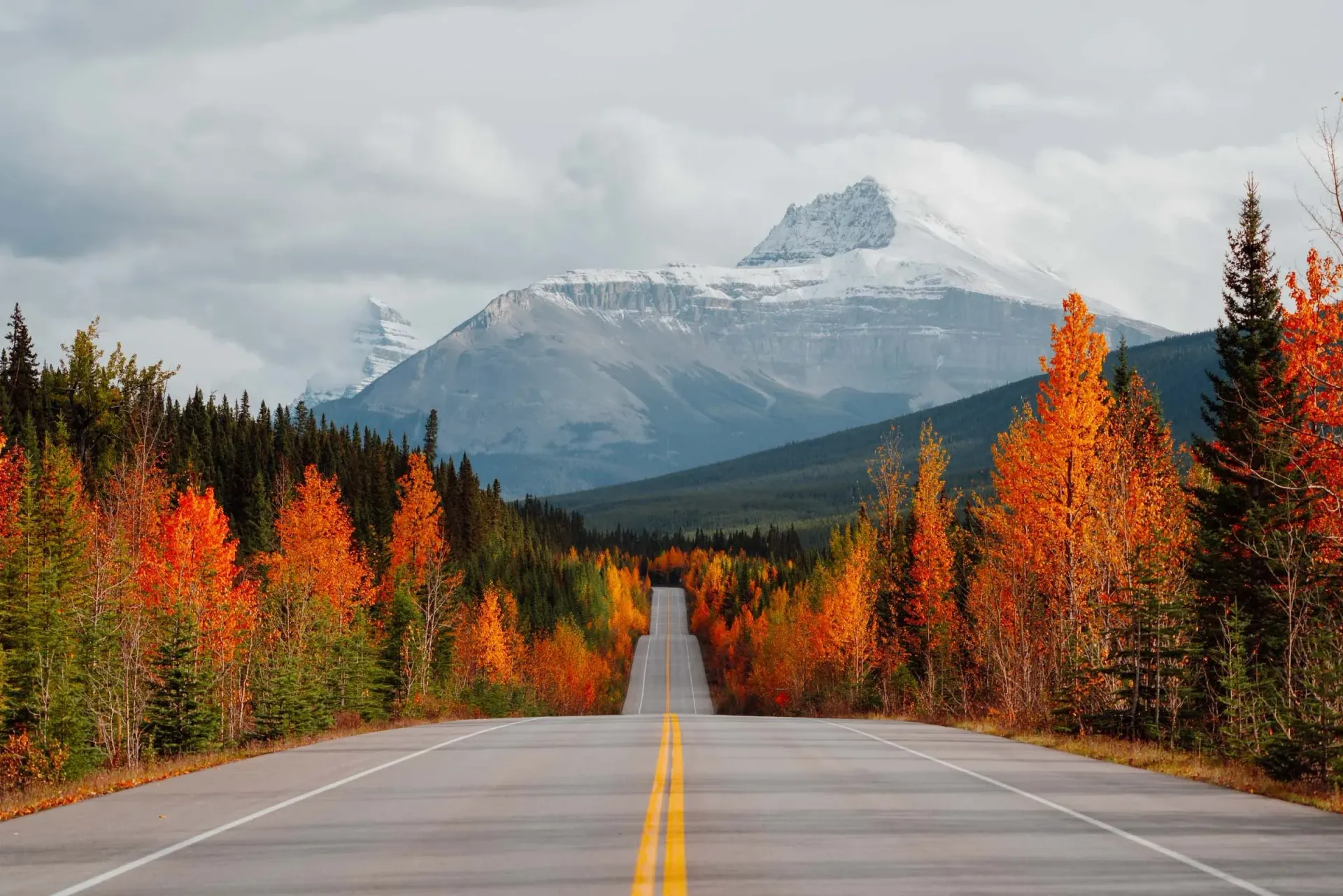
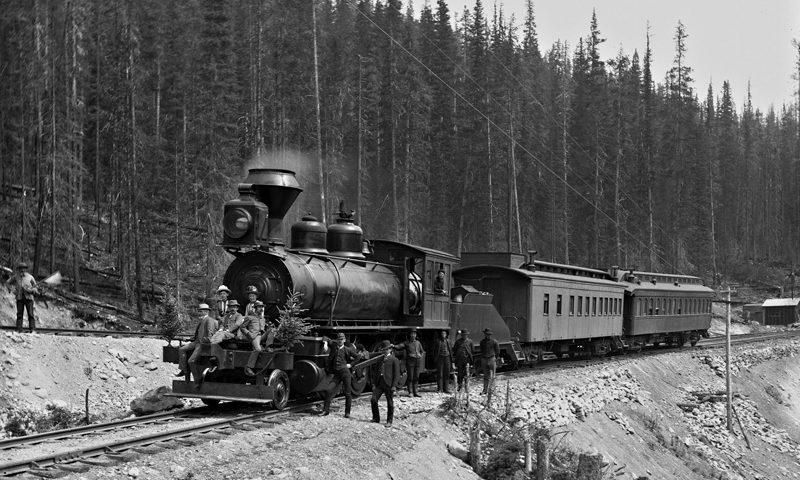
When most people visit Juneau, they come looking for glaciers, whales, and breathtaking mountain scenery. What many don't realize is that the story of Juneau began with a man who knew these mountains long before the city existed.
His name was Chief Kowee.
Long before cruise ships filled the harbor and visitors from around the world arrived to experience Alaska, the Tlingit people called this region home. They traveled these waterways, hunted these forests, and lived among these mountains for generations. They knew the land in ways outsiders could not.
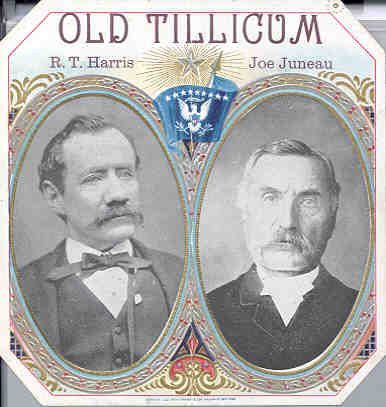
It was 1880. The rain fell softly against the mountains as three men made their way through the wilderness of Southeast Alaska. Towering spruce trees surrounded them. Streams rushed down from snow-covered peaks. The air smelled of earth, cedar, and saltwater.
For two of the men, the journey had become frustrating. They were wet, tired, and cold.
Joe Juneau and Richard Harris had come north searching for one thing. GOLD! They had heard the stories of shiny rocks and veins of gold stretching as far as one could see. They knew it was hidden somewhere in the vast forest, but they weren't sure how, in such a big land as Alaska, to find it. Mountains stretched endlessly; valleys disappeared into dense forests. Every direction seemed to hold another obstacle.
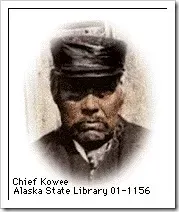
Leading them was a Tlingit chief named Kowee.
Unlike the other men, he wasn't a stranger to this land. These forests were familiar to him. These rivers and mountains were not obstacles to overcome but part of a landscape he understood deeply.
The land spoke to him. They weren't obstacles; they were a part of daily life.
He led the men farther and farther into the forest, and even as Joe Juneau and Richard Harris got more and more discouraged after continuing step after step. Mile after mile and day after day, they made a discovery. They found GOLD!
This discovery would change everything. Word spread quickly. Miners arrived. Businesses opened. Families settled in the area. A community began to grow where there had once been only wilderness. The settlement would become the city of Juneau, and yes, it was named after Joe Juneau; yet the people who visit Juneau today don't go for the gold. They go for something far more valuable.
Today, visitors arrive by cruise ship and airplane instead of on foot. Hotels stand where prospectors once camped. Shops line streets that didn't exist when Kowee guided those men into the mountains. Yet while those men were searching for gold they were walking through a landscape that held a treasure far older than anything hidden beneath the ground.
Mendenhall Glacier
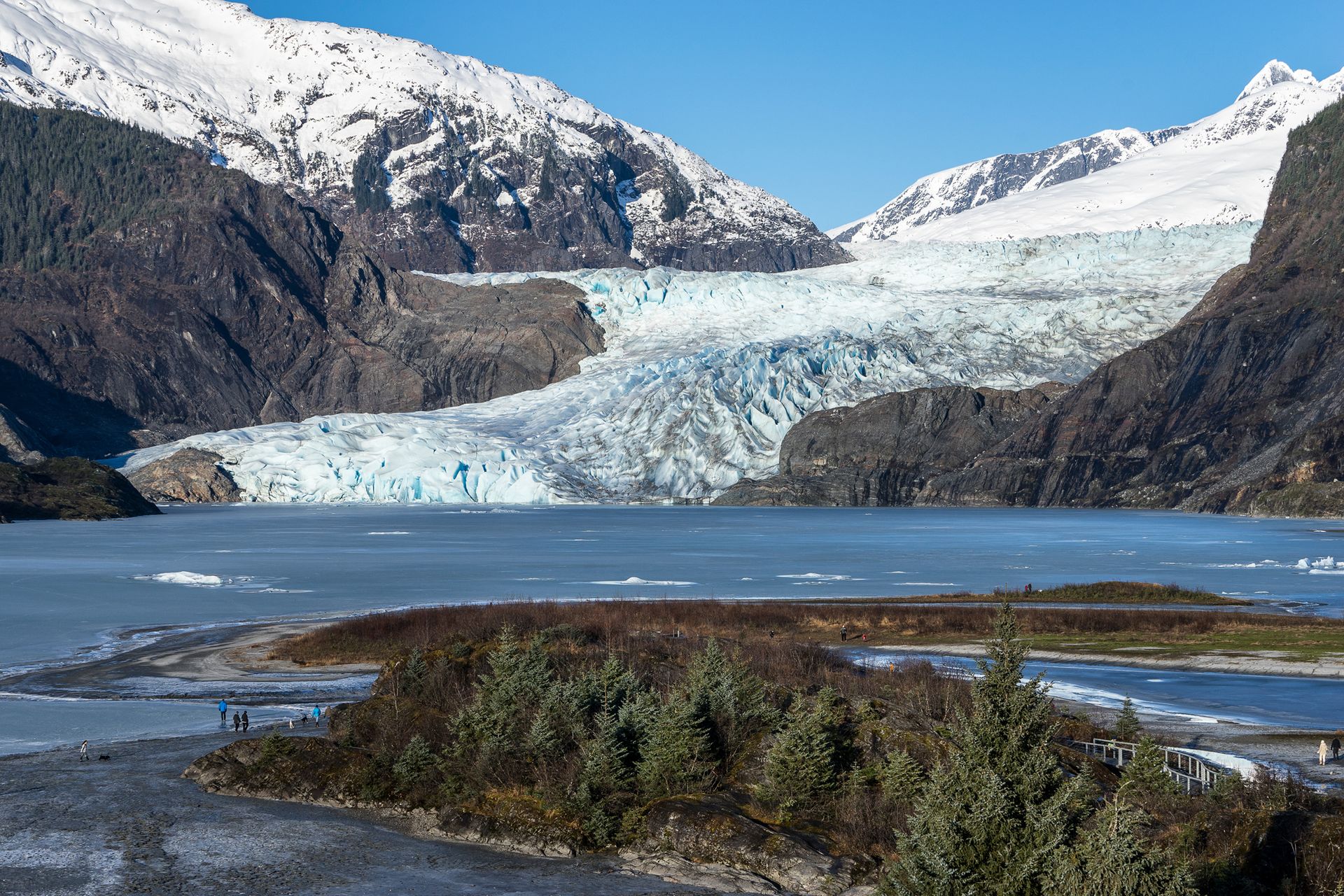
Long before Juneau became a city or prospectors searched for gold snow was falling high in the mountains. Year after year, century after century the weight of that snow compressed into ice. Slowly, almost imperceptibly, the ice began to move. Not over days, or years but over thousands of years.
The glacier carved valleys, shaped mountains, and helped create the landscape that would eventually welcome those prospectors searching for gold.
When I visit Juneau and stand before Mendenhall Glacier, I see a river of ice. The color of blue that I've never seen before. I see something that seems permanent yet is far from permanent. It is ever-changing. It is a river of ice slowly moving towards the sea. One day, that glacier won't be there anymore. The glacier has already changed in the years that I have been going there. It no longer touches the water. It is no longer a tidewater glacier.
As I stand and look at the glacier and think about the prospectors searching for something permanent, I am reminded that everything is ever-changing and am given a new perspective of gratitude and wonder and a renewed appreciation for being allowed to stand before God's creation.
More than 140 years ago, Chief Kowee guided two prospectors toward something valuable hidden in these mountains. Today, Juneau continues to guide visitors toward its own treasures. Not treasure you can carry in your pocket. Treasure you can carry home in your heart. It's not just a story of a city built because of gold. It's the story of a place where people can connect with God.