Don't Just Fly Into Vancouver and Get on the Ship!
How I'd make the start of an Alaska cruise part of the vacation.
You've booked your Alaska cruise. You've spent months thinking about glaciers, whales, mountains, Juneau, Ketchikan, and maybe even the first glimpse of Glacier Bay. Then you look at the itinerary and notice: Vancouver, British Columbia. So you book a flight that gets you there the day before the cruise, find an airport hotel, sleep, wake up, and head for the ship. Perfect? NOOO. You have just missed the first part of your vacation.
Vancouver isn't simply the place where you catch your ship. It's a destination. And if I'm planning an Alaska cruise that begins in Vancouver, I would much rather spend two or three nights before the cruise than treat the city like an airport with a cruise terminal attached. Here's how I'd do it.
First: Don't Fly in on Embarkation Day
Let's get the practical part out of the way. When was the last time flights went perfectly? Delays, Luggage problems, cancellations, route changes, weather, overbookings, etc. If you are flying into your cruise on the day of embarkation and any of those things happen, here is the rough truth: the ship will not wait on you. You can stand on the dock and wave that cruise goodbye. It's my job to make sure that does not happen. The first step is to fly in at least one day before embarkation.
Besides, you are already flying into one of the most beautiful destinations; why not take advantage of it and see it?
For Vancouver, I'd recommend at least 2-3 days and turn Vancouver into the opening chapter of the trip.
Where I'd Stay
For a pre-cruise stay, location matters more to me than having the fanciest hotel in the city.
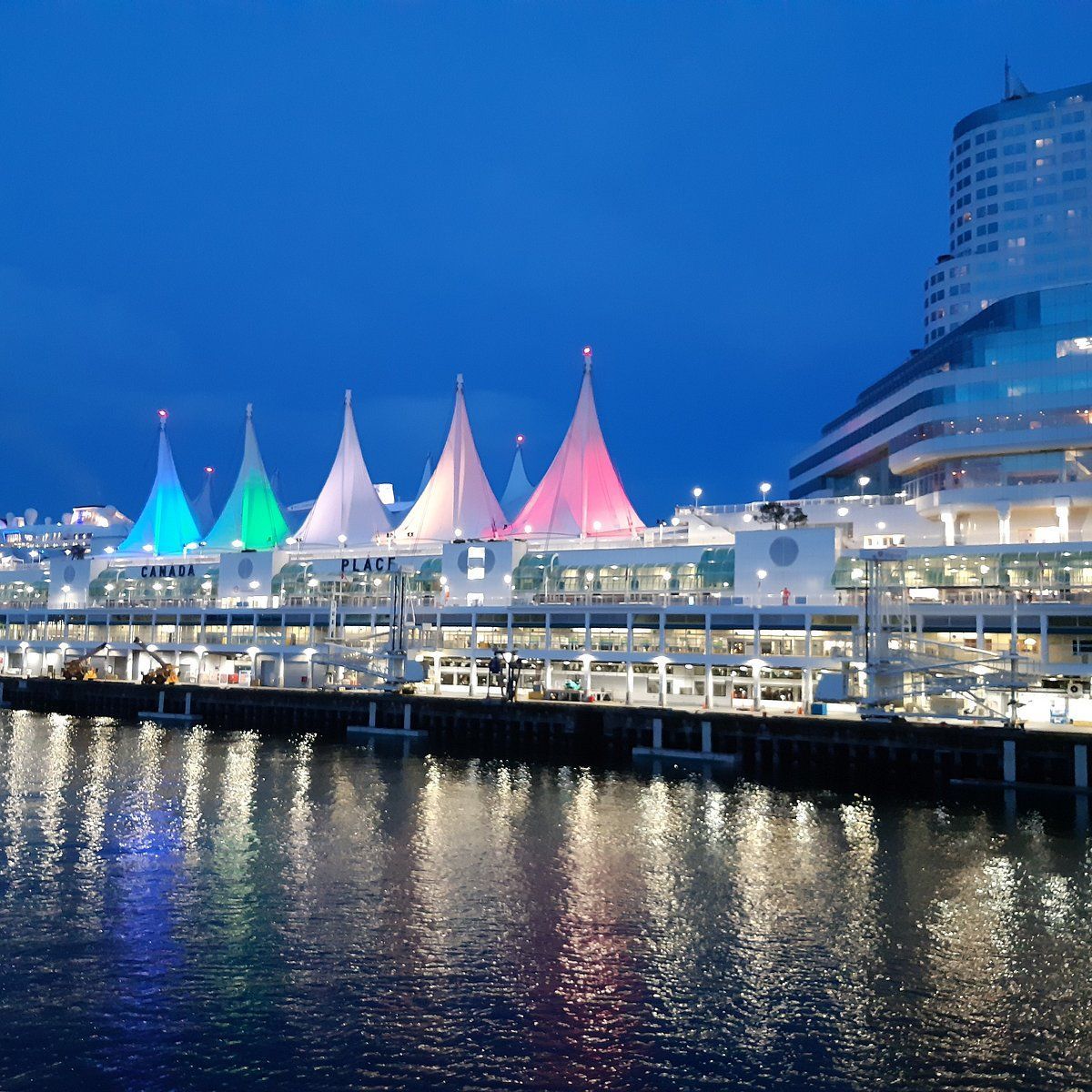
Please plan to be downtown and close to Canada Place, especially if you're traveling with luggage.
Canada Place is right on Vancouver's waterfront, so staying downtown puts you close not only to your ship but also to restaurants, the harbor, Gastown, and transportation.
This is also one of those times when I wouldn't automatically choose the least expensive hotel twenty or thirty minutes away.
Saving money on the room doesn't feel quite as clever when you're hauling luggage across a city on embarkation morning. Convenience has value. And now that we've dropped off the luggage. Let's see Vancouver.
Day One:
Start With Vancouver's Waterfront
I wouldn't schedule a huge excursion on arrival day. Flights get delayed. People get tired. Jet lag happens. Instead, I'd make the first afternoon easy. Take a nap if needed.
- Walk the waterfront.
- Go exploring around Canada Place and Coal Harbor.
- Let yourself get oriented.
- Look across the water toward the North Shore Mountains.
- Watch the seaplanes take off and land.
- Wander toward Gastown.
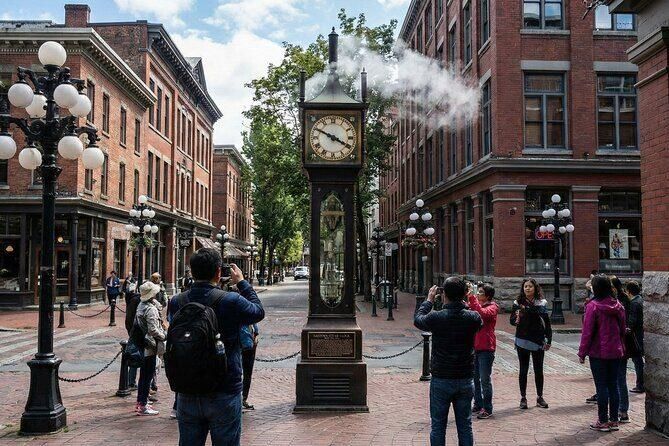
Gastown gives you a completely different Vancouver from the glass towers along the waterfront. Cobblestone streets. Historic buildings. Restaurants and shops. And, of course, the famous Steam Clock.
Vancouver is a relatively young city, incorporated in 1886, and Gastown grew from an early settlement around a saloon opened by John "Gassy Jack" Deighton.
But here's my rule: See the Steam Clock. Don't make the Steam Clock your entire reason for visiting Gastown. Look around, see the neighborhood, have dinner.
Day Two:
The Vancouver I wouldn't Skip
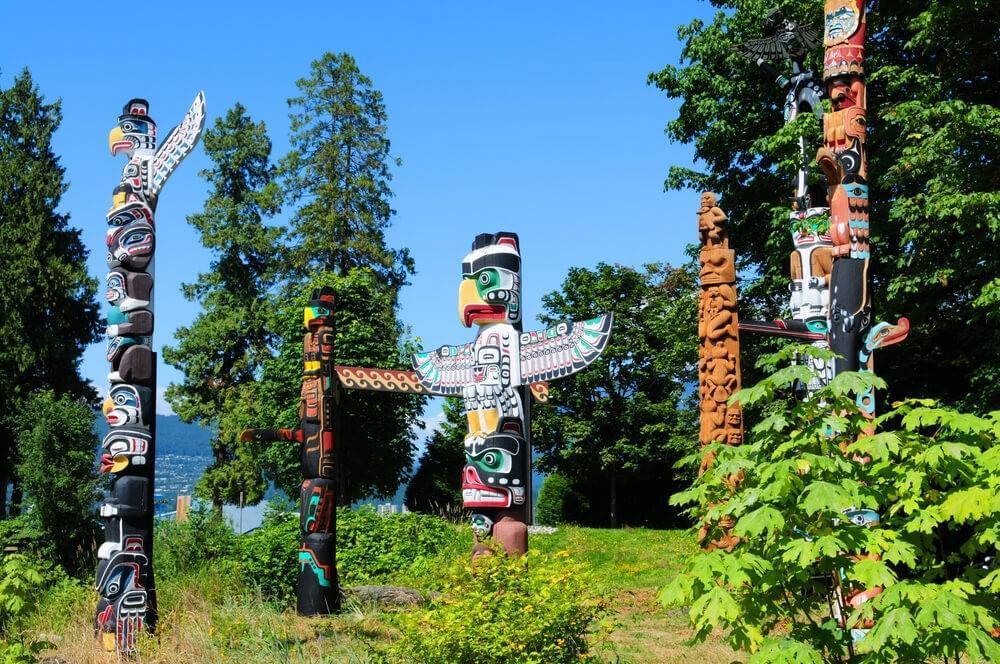
If you gave me only one full day in Vancouver, I would want to spend it at Stanley Park. But I wouldn't just drive through, take a picture of the totem poles, and leave.
Stanley Park covers 988 acres of forest, beaches, and waterfront immediately beside downtown Vancouver. It officially opened as a city park in 1888, when Vancouver's population was only about 6,000. This wasn't empty wilderness waiting for Vancouver to build a park. Indigenous Peoples had lived, gathered food, and traveled in this area for generations before the creation of Stanley Park. The park today contains First Nations art and places connected to those much older stories. So Don't simply look at the trees. Understand where you're standing.
How to experience Stanley Park:
If you're active, rent bikes. The seawall around the park takes roughly an hour by bike, versus about three hours on foot. If long walks aren't ideal, take a guided tour or use transportation so you can focus on selected stops instead.
Instead of Stanley Park, I'd make time for Prospect Point, the waterfront views, the First Nations totem poles, and some of the forest itself.
Note: Some of the trees in Stanley Park are centuries old. The trails follow routes once used by loggers to move timber toward the water. You're walking through an ancient wilderness, in the middle of a city.
Then Choose:
Suspension Bridge or Food
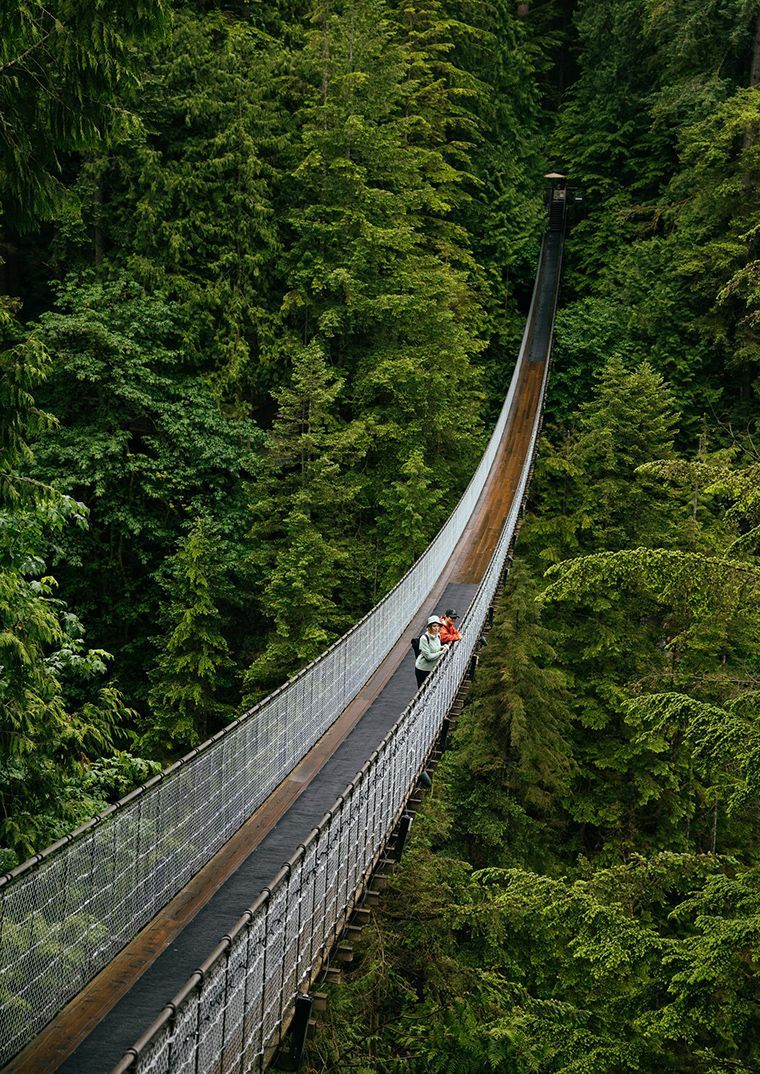
If you've always wanted the dramatic Vancouver suspension-bridge experience, this is where we could add Capilano Suspension Bridge Park.
But if heights aren't your thing, why spend vacation time and money convincing you to enjoy something you already know you won't? There are other ways to experience Vancouver. There is always food.
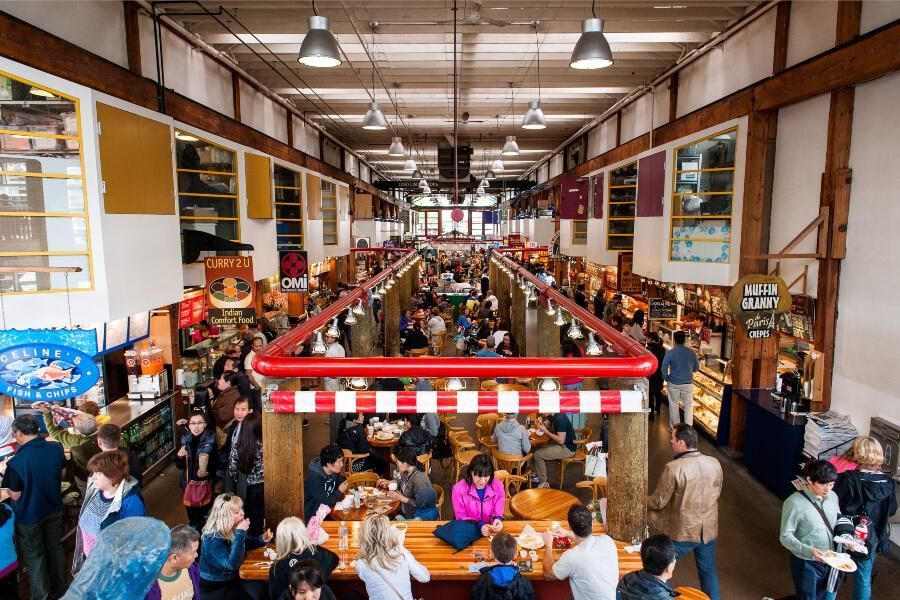
Granville Island: Isn't an island anymore.
It began as a mudflat in False Creek. The present land was created in 1916 using material dredged from the creek and became an industrial area filled with warehouses, mills, and factories. Its back channel was later filled, so technically the "island" stopped being an island.
Then, beginning in the 1970s, the old industrial area was transformed. You'll find artists and craftspeople, theaters, galleries, shops, and the famous Granville Island Public Marks.
Capilano: Personally, my favorite.
Standing 230 feet above a rushing river, the original bridge was built in 1889 by Scottish Civil engineer George Grant MacKay, who owned land on either side of the Capilano River. The first bridge was considerably more rustic, made of hemp rope and cedar plank.
Today, the bridge stretches 450 feet across the canyon. Once you cross, you can take the Treetops adventure, which takes you across a series of smaller suspension bridges high among enormous Douglas fir trees.
Then there's Cliffwalk, a narrow walkway that clings to the granite cliff above the canyon.
But Capilano isn't for everyone. If you're terrified of heights or have significant mobility concerns. I wouldn't recommend it for you.
Day Three:
Embarkation Day
And now we've reached cruise day. This is not the morning I would schedule your epic Vancouver adventure. No complicated excursion. Not an attraction on the opposite side of the city. No carefully timed activity that has you staring at your watch every fourteen seconds.
Relax, sleep in, and enjoy breakfast. Get everything packed up. Take one last walk along the waterfront.
Then head for your ship. You've got Alaska waiting.
Now, you have begun your epic vacation with an epic adventure in a beautiful location. It's only going to get better from here.